Civil Rights Activist, Former Presidential Candidate Jesse Jackson Dead At 84
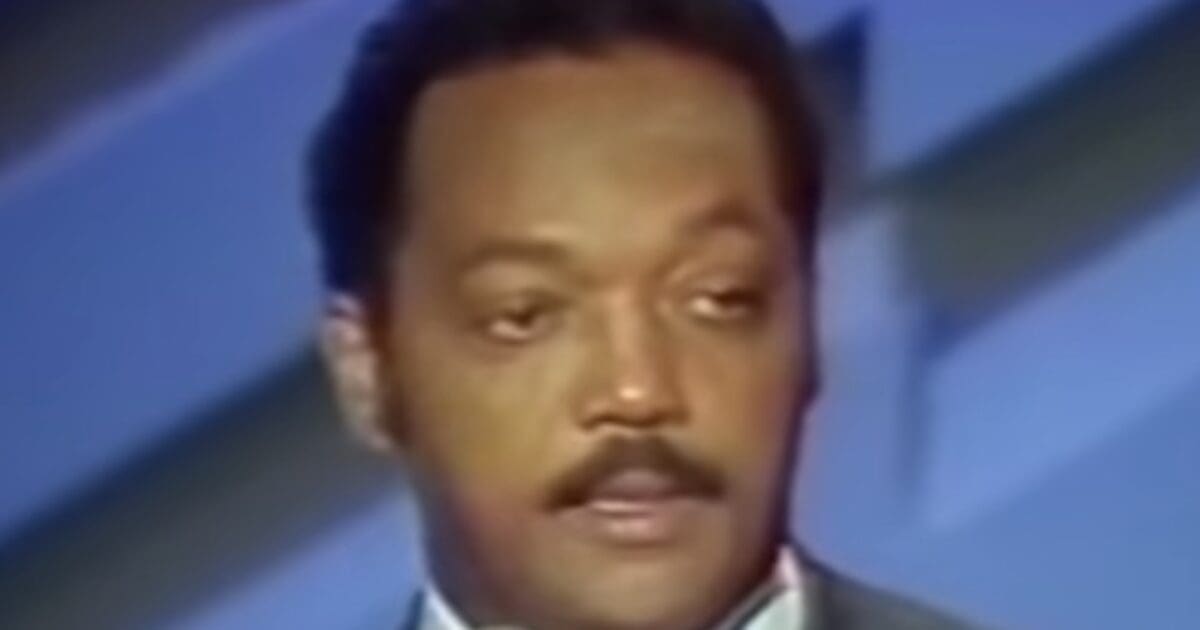
Rev. Jesse Jackson, a longtime civil rights leader and two-time presidential candidate, has passed away.
He was 84.
“Our father was a servant leader — not only to our family, but to the...
pressed, the voiceless, and the overlooked around the world,” the Jackson family said in a statement, according to NBC News.
“We shared him with the world, and in return, the world became part of our extended family. His unwavering belief in justice, equality, and love uplifted millions, and we ask you to honor his memory by continuing the fight for the values he lived by,” it continued.
Today we mourn the passing of Rev. Jesse Jackson, a giant of the civil rights movement who never stopped demanding that America live up to its promise.⁰⁰He marched, he ran, he organized and he preached justice without apology.⁰⁰May we honor him not just in words, but in…
— Mayor Zohran Kwame Mamdani (@NYCMayor) February 17, 2026
“This is not a perfect party. We’re not a perfect people,” Jackson said in a speech during his 1984 presidential bid, according to NPR.
“Yet, we are called to a perfect mission. Our mission to feed the hungry, to clothe the naked, to house the homeless, to teach the illiterate, to provide jobs for the jobless, and to choose the human race over the nuclear race,” he added.
NPR shared further:
Though Jackson had significant support for his bid, with his campaign registering more than a million new voters and winning 3.5 million votes, his run for president was not without controversy. Jackson drew heated criticism for making a disparaging remark about New York’s Jewish community and for his relationship with Nation of Islam leader Louis Farrakhan, who has said the Jewish community is to blame for Black oppression.
Jackson would apologize for his comments and distance himself from Farrakhan, but those efforts were not enough to clinch the Democratic nomination. He placed third in the Democratic primary behind former Vice President Walter Mondale and Sen. Gary Hart. Still, it was a landmark achievement for Jackson and a growing Black political movement.
In 1988, he ran again, expanding his outreach to more white Americans, and reached an emotional crescendo during an impassioned speech at that year’s Democratic convention. Although Jackson won major presidential primaries, the first African American to do so, he came in second to the Democratic Party nominee, Massachusetts Gov. Michael Dukakis. Until Barack Obama’s election in 2008, Jackson was the most successful Black U.S. presidential candidate.
Though Jackson never ran for the presidency again, he remained a powerful player in the Democratic Party, pushing for the leaders to adopt a platform that recognized issues important to Black voters.
What are your feelings?


News
About Us
Download Our Mobile App