Inmates have been given their own alarm clocks to wake them up gently each morning rather than having a prison officer bang on their cell doors.
The move is part of an initiative to reduce violence in jails with hopes prisoners will be less likely to wake up in a 'bad mood' and go on to harm another inmate or staff.
The calmer approach to early mornings is being trialled on a wing at scandal-hit HMP Wandsworth in south London, the prison where Daniel Khalife mounted his high-profile escape and where prison officer Linda De Sousa Abreu was filmed having sex with an inmate.
Similar methods have already been introduced at jails in Scandinavia and the United States.
HMP Pentonville, a Category B men's prison in north London, is also taking part in the trial.
The introduction of alarm clocks, which will give prisoners more autonomy over when they wake up, is part of a 10-month trial that launched seven weeks ago.
The initiative will also give 120 inmates more time out of their cells with a wider range of activities on offer as an alternative to being locked up for up to 22 hours a day.
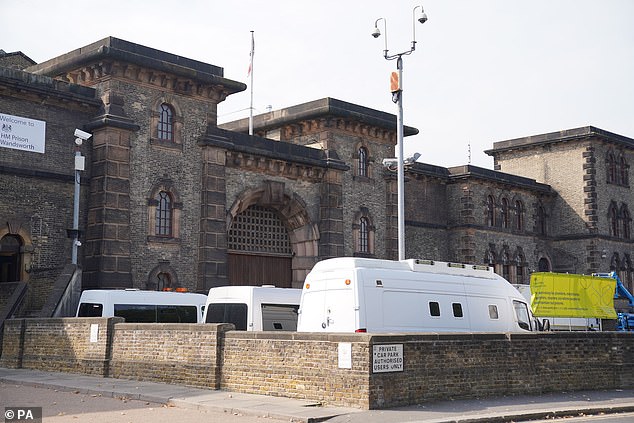
Inmates have been given their own alarm clocks to wake them up gently each morning rather than having a prison officer bang on their cell doors. Pictured: HMP Wandsworth
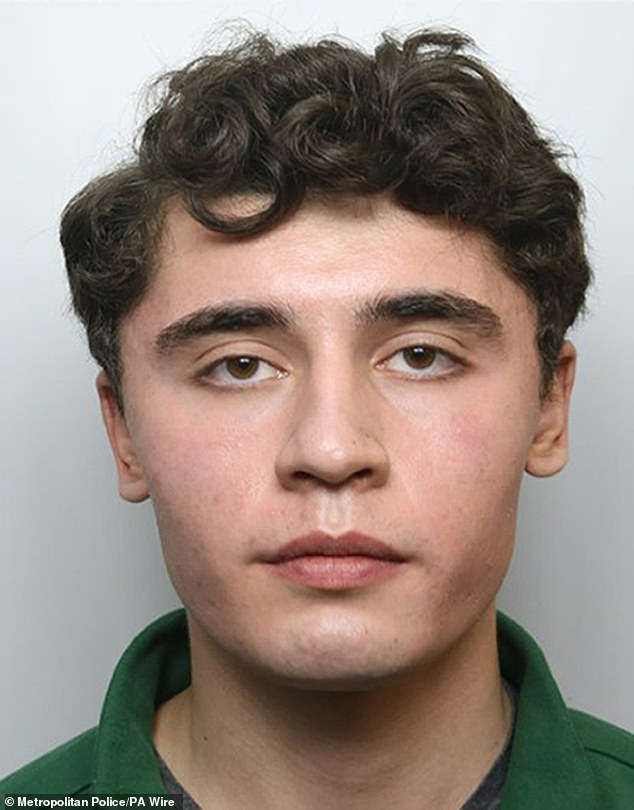
Daniel Khalife, pictured, launched a high-profile escape from HMP Wandsworth

Pictured: A man celebrates as he is released from HMP Wandsworth where a new scheme trialling alarm clocks has been introduced
Some of the prison officers taking part in the trials at HMP Wandsworth and HMP Pentonville were flown to Sweden for five days of specialist training, The Telegraph has reported.
They will be expected to spend more time talking to the inmates about their personal problems and encouraging them not to reoffend.
Natasha Porter, the founder of Unlocked Graduates, a charity which is supporting the scheme, said: 'It sounds small, but often in really big prisons where you don't have many staff, the way the prisoners are woken up in the morning is key on door to the metal, going ding, ding, ding, a kind of loud banging, 'get up, free flow in 15 minutes'.
'There's shouting, it's aggressive. And actually, if you are woken up in that way, you're much more likely to start the day in a bad mood, to be violent, to be confrontational.
'And what we saw in Sweden was that they just try to be quiet when they wake people up by not shouting at them.'
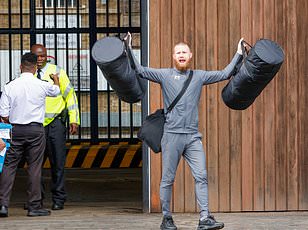
Prisoners taking part in the trial have been allocated to the units at random, rather than as a reward for good behaviour.
Their performance in the trial will be monitored by academics at King’s College London who will assess whether violence among inmates is reduced.
A Ministry of Justice spokesman said: 'We're determined the criminal justice system creates better citizens, not better criminals.
'We will continue to look at what works – including evidence from overseas – to improve safety, reduce reoffending and protect the public.'
The move is the latest in Labour's programme of soft justice that has seen nearly 50,000 criminals freed from jail early.
Figures from the Ministry of Justice published in January show 48,931 offenders were let out of prison onto the streets between September 2024 and September 2025.
The scheme led to distasteful scenes of lags popping champagne corks outside prison gates, as some vowed to be life-long Labour voters as a result of being freed early.
Some freed inmates committed new offences within hours.
The programme was launched to free up space in the jails, with justice secretary Shabana Mahmood claiming the justice system would grind to a halt if nothing was done.
Those jailed for sex crimes, terrorism and serious violent crimes carrying more than four years in jail are excluded from the early release terms.
But violent offenders sentenced to less than four years can be freed early, including killers convicted of manslaughter.
A previous scheme introduced by the former Tory government – letting inmates out up to 70 days early – led to 13,325 offenders being freed over 11 months, one third of the rate being let out by Labour.