All Section

Mon, Oct 26, 2026

Natural News

Big Tech’s nuclear land grab: Who really pays when data centers devour the grid?


The nation's largest technology companies are no longer content to plug into the grid. They are buying its steady heartbeat, and sucking the lifeblood out of the Earth. Within six days, Amazon and Google locked in 20-year claims on nuclear output from Maryland to 11 reactors across the country, all while promising fresh megawatts and a shield for ordinary households. Yet a closer look at who borrows, who benefits, and who waits suggests that the so-called nuclear renaissance may be less a gift to the public than a private reservation - a draining of the most dependable electricity America has.

Key points:

  • Amazon and Constellation announced a 20-year deal on Sept. 30 covering 690 megawatts at Calvert Cliffs in Maryland.
  • Google and Constellation followed Oct. 6 with a $4.3 billion expansion across 11 reactors.
  • The Ratepayer Protection Pledge promises data centers will not raise household bills.
  • Critics say nuclear has not yet met real data center demand and new reactors remain a decade away.
  • The Energy Department approved roughly $4.4 billion in loans to restart three nuclear facilities.

The mechanics of the deals fit on a napkin, though the implications do not. On Sept. 30,

Big Tech’s nuclear land grab: Who really pays when data centers devour the grid?

Truth Social Shares Hit Record Low as User Traffic Declines, Data Shows


Shares of Trump Media & Technology Group, the parent company of Truth Social, fell more than 7.5% on Monday, Oct. 20, to close at an all-time low of $6.40, according to market data reported by The Daily Beast [10]. The decline extended a broader slump that has pushed the stock down 29% over the past month, the data showed [10].

The sell-off came as third-party analytics data indicated that daily traffic on the platform had fallen by more than 30% over the past year [10].

The company, which operates the social network launched by President Donald Trump, has reported quarterly losses and pursued a series of strategic pivots in recent quarters, according to company filings and news reports [10].

Stock Performance and Market Reaction

The stock's close at $6.40 on Oct. 20 marked a new record low for Trump Media, according to exchange data cited by multiple outlets [10]. The previous record low came in June, when shares hit $7.61, according to The Daily Beast.

Before Monday's session, the company had already hit all-time low stock prices on multiple occasions over the past year, market data showed.

The decline accelerated over the past month, with the stock falling 29%

Truth Social Shares Hit Record Low as User Traffic Declines, Data Shows

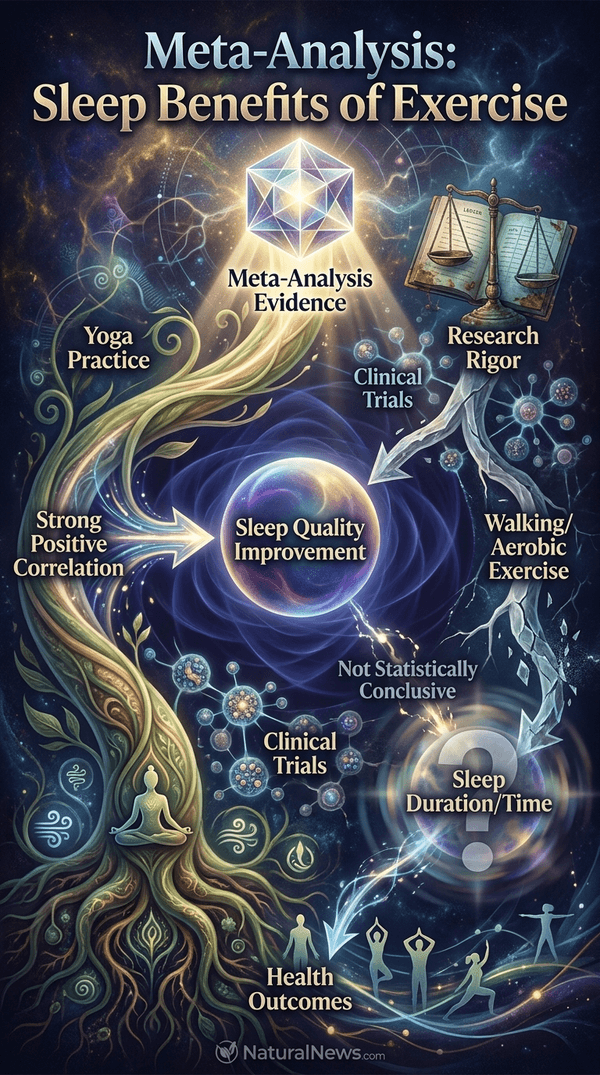
Meta-Analysis Ranks Yoga First for Sleep; Lead Over Walking Is Not Statistically Conclusive

A 2025 network meta-analysis from Harbin Sport University pooled 30 randomized trials involving 2,576 people with sleep disturbances and ranked yoga first for sleep quality, according to the report published in Sleep and Biological Rhythms. The analysis assigned yoga a score of 82.1 on the surface under the cumulative ranking curve, or SUCRA, a statistical measure used to order treatments in network meta-analyses. Walking followed at 81.2 and resistance exercise at 66.3, researchers said.

The authors stated that the comparisons between yoga and walking, and between yoga and resistance exercise, were inconclusive. The finding leaves open the question of whether yoga's first-place ranking reflects a genuine advantage over walking or a difference too small and too uncertain to separate the two activities statistically.

The review adds to a growing but conflicting body of evidence on exercise and sleep. Other meta-analyses have produced different rankings, and the authors of the Harbin study urged caution in interpreting the results, citing limited studies and the characteristics of people with sleep disturbances.

Study Design and Main Findings

The analysis compared seven exercise types: yoga, walking, resistance exercise, combined aerobic and resistance training, dance, aerobic exercise, and traditional Chinese exercises such as tai chi and qigong, according to the


Meta-Analysis Ranks Yoga First for Sleep; Lead Over Walking Is Not Statistically Conclusive

Could an ancient fermented superfood be the answer to spike protein damage?


  • Nattokinase, a fermented soybean enzyme, has demonstrated ability to degrade SARS-CoV-2 spike protein in two independent laboratory studies.
  • The enzyme works through multiple mechanisms: direct fibrinolysis, activation of the body's own clot-dissolving system, and inactivation of PAI-1.
  • No controlled human trial has yet proven nattokinase clears vaccine-derived spike from human tissue.
  • Dosing matters significantly: 10,800 FU/day showed plaque reduction in one study while 2,000 FU/day showed no effect in a randomized trial.
  • Safety precautions are essential as nattokinase is a potent fibrinolytic that can increase bleeding risk with anticoagulants.

A centuries-old fermented food meets modern molecular biology

In September 2022, researchers at Josiah University in Sama, Japan, published findings in the journal Molecules that a fermented soybean enzyme called nattokinase could degrade the SARS-CoV-2 spike protein in laboratory conditions. This discovery connected a staple of traditional Japanese cuisine to one of the most pressing biological questions of the pandemic era: what happens when spike protein persists in the body, and can anything safely remove it?

The answer to that question remains incomplete, but the evidence is compelling enough that millions of people have already begun using nattokinase on their own — often without waiting for

Could an ancient fermented superfood be the answer to spike protein damage?

Tehran Warns Citizens Against Travel to EU States Gripped by Violent Protests


Iran's Foreign Ministry has issued a travel advisory warning Iranian citizens against non-essential travel to European Union (EU) states experiencing large-scale street protests. The warning, published Monday, Oct. 19, specifically names France, Belgium, and Italy as countries where authorities have reported unrest and disruption to public order [1][2][3].

The advisory cites risks to personal safety and possible disruption to transport and public services in the affected countries, the statement said [3].

Iranian officials framed the warning as a precautionary measure.

Advisory Details and Ministry Statement

Iranians already present in France, Belgium, and Italy were advised to avoid protest areas and to contact Iranian diplomatic missions for updates on security conditions [3]. The ministry urged travelers to limit unnecessary movement and to monitor local transportation announcements, according to the advisory [1].

The Foreign Ministry said its embassies and consulates in the affected countries remain operational and are prepared to assist Iranian nationals. No end date for the advisory was announced, and officials said the guidance would be reviewed as conditions change [3].

Protests in France and Other EU States

The advisory follows days of protests in France since September 2026 [4].

French officials reported more than 3,000 arrests nationwide and deployed approximately

Tehran Warns Citizens Against Travel to EU States Gripped by Violent Protests

Houthi Strikes on Saudi Soil Risk Catastrophic Regional War

Yemen's Houthis said Monday, Oct. 19, that they struck energy, airport and military targets inside Saudi Arabia – including an Aramco facility in the city of Yanbu, the Shaybah oilfield, King Khalid International Airport in Riyadh and Abha airport in the kingdom's Asir province, according to a report carried by Voice of Emirates [1].

The Saudi government has not confirmed strikes on those specific locations, and confirmation was not immediately available from Saudi officials [1]. The announcement came as the U.S. issued an travel alert warning Americans to avoid 12 Middle Eastern countries. The alert listed Saudi Arabia, Yemen, Iraq, Jordan, Qatar, Bahrain, Kuwait, the United Arab Emirates, Oman and Iran, among others [2].

The dual developments marked the latest escalation in a campaign that has expanded since the collapse of a truce, with the Houthis saying the threatened locations were legitimate targets and describing their attacks as retaliation for Saudi strikes on Yemen [3]. Wire services reported that King Khalid International Airport in Riyadh has been targeted multiple times in the past week, with strikes that killed at least 18 people, according to the Associated Press [4].

Houthi Statement Names Aramco, Airport and Military Targets

In its Monday statement, the Houthi movement said it

Houthi Strikes on Saudi Soil Risk Catastrophic Regional War

Elon Musk ordered throttling of Starlink network used by Ukraine, WSJ reveals


  • Elon Musk personally ordered a significant slowdown of the military-grade Starshield satellite network used by Ukraine, capping speeds and rendering offensive drones nearly inoperable.
  • The throttling occurred amid escalating tensions between U.S. President Donald Trump and Ukrainian President Volodymyr Zelensky over Ukrainian strikes on Russian oil infrastructure, with Trump blaming Ukraine for high global energy prices.
  • Ukrainian units experienced catastrophic link drops at speeds as low as 90 kph, costing tens of millions of dollars in hardware losses, though maximum speed was later partially restored to 161 kph.
  • Musk held multiple conversations with senior Trump administration officials before imposing the cap, but claimed the decision ultimately rests with the U.S. military and president.
  • The incident has sparked bipartisan calls for an investigation, with lawmakers questioning whether the Department of War had a role in the throttling.

A report by the Wall Street Journal has revealed that SpaceX CEO Elon Musk himself ordered a significant slowdown of the military-grade Starshield satellite network used by Ukraine.

According to U.S. officials and people familiar with the matter, Musk capped the speeds at which Ukrainian hardware could connect to the satellite-based network, throttling a system essential for drone operations

Elon Musk ordered throttling of Starlink network used by Ukraine, WSJ reveals

Federal agents conduct door-to-door voter eligibility checks amid growing concerns over intimidation


  • The Department of Homeland Security has deployed armed agents for door-to-door visits across at least six states to question residents about immigration status and voting history, escalating federal law enforcement activity during the midterm election campaign.
  • Internal documents reveal the operations are part of a "Criminal Voter Fraud" initiative under the Trump administration, reallocating hundreds of agents from traditional duties like drug smuggling and child exploitation to target alleged noncitizen voting.
  • Despite DHS claims of up to 250,000 illegally registered noncitizens, only 156 election fraud charges have been filed out of 227 million registered voters. Critics cite flawed databases and rushed matching procedures that could wrongfully include U.S. citizens.
  • Civil rights advocates and Democratic lawmakers condemn the operations as voter intimidation, with Rep. Bennie Thompson (D-MS) calling them an "anti-democratic departure" from DHS' mission and warning they suppress turnout among lawful voters.
  • The show of force – including armed agents holding "Target List" documents and arresting a 72-year-old man in his pajamas – has sparked legal challenges and lasting concerns about chilling effects on voter participation, particularly among immigrant communities.

In an unprecedented expansion of federal law enforcement activities, armed agents from the Department of

Federal agents conduct door-to-door voter eligibility checks amid growing concerns over intimidation

Weight Loss in Middle Age Tied to Cardiovascular Gains, UCL Study Says

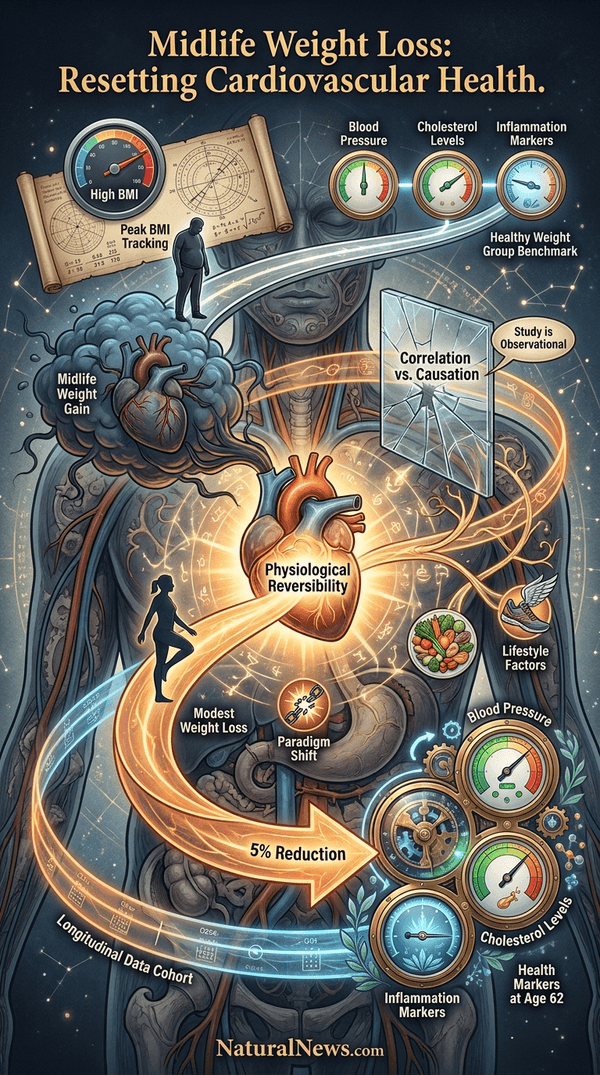
Adults who lose a modest amount of weight in middle age may achieve cardiovascular and metabolic health profiles comparable to those of people who never gained excess weight, according to researchers at University College London.

The findings, based on data from more than 6,000 people born in the United Kingdom in 1958, were described in a UCL study released this week. The research examined whether a 5% reduction in body weight during a person's 40s and 50s was associated with measurable differences in heart health markers by age 62.

The results add to a growing body of research on midlife weight change. Officials cautioned that the study is observational and does not establish cause and effect between weight loss and improved cardiovascular outcomes. The study has not been presented as evidence that weight loss directly prevents heart disease, they said.

Separate reporting on the research noted that the findings offer hope that even modest weight loss in middle age can reset key aspects of cardiovascular health [1].

Study Design and Reported Measures

Investigators examined body mass index data and recorded the highest BMI each participant reached by age 42, according to the report. They then assessed whether participants lost or gained at least 5% of

Weight Loss in Middle Age Tied to Cardiovascular Gains, UCL Study Says

Meta-Analysis Links Lower Brain Choline to Anxiety Disorders

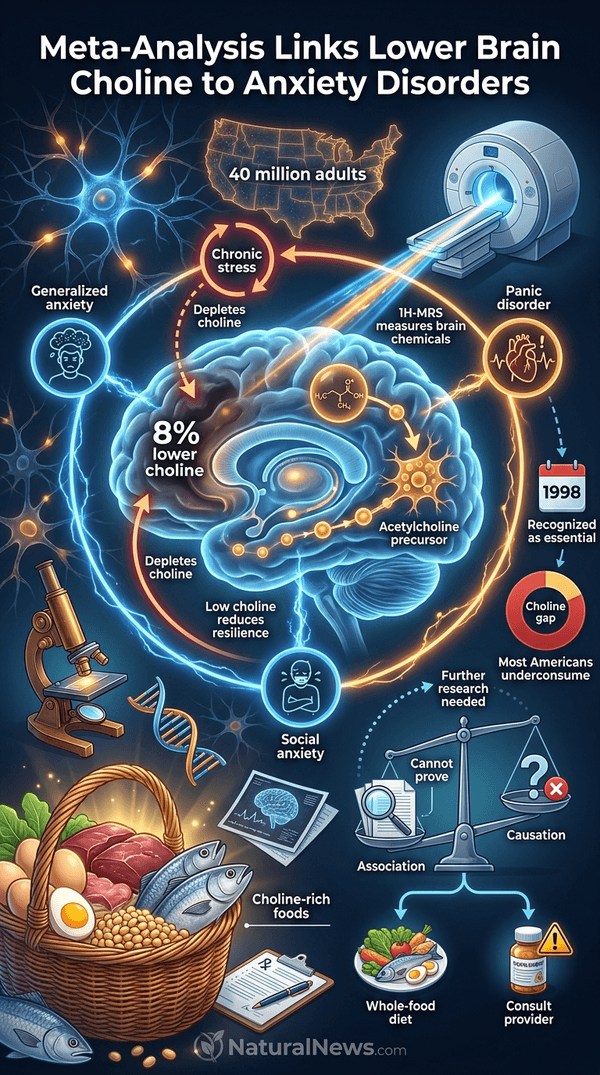
A meta-analysis published in Molecular Psychiatry found that people with anxiety disorders have lower concentrations of choline-containing compounds in the cortex of the brain compared with healthy controls, according to the study.

According to the UC Davis Health news office, a new study found the essential nutrient is 8% lower in the brains of people with generalized anxiety disorder, panic disorder and social anxiety disorder [1]. The meta-analysis found people with anxiety disorders have 8% lower brain choline levels [2]. The report stated that the finding does not establish that low choline causes anxiety or that choline supplementation treats anxiety.

What Researchers Measured

Researchers reviewed human studies using proton magnetic resonance spectroscopy (1H-MRS), an advanced brain imaging technique that measures certain chemicals within living brain tissue, according to the analysis. Choline-containing compounds are linked to cell membrane turnover and brain cell function.

Choline has many roles in human metabolism and is involved in cell structure, neurotransmitter synthesis, cell-membrane signaling, lipid transport and methyl-group metabolism for detoxification, according to Mercola.com. During fetal development, choline is crucial for brain and memory formation and can decrease the risk of neural tube defects, the report stated [3].

The study authors said the results suggest anxiety may be associated with

Meta-Analysis Links Lower Brain Choline to Anxiety Disorders

Unveiling the healing power of dill: Discover this ancient herb’s health benefits


  • Dill (Anethum graveolens) is a versatile and beneficial herb with a rich history and wide-ranging applications in human health and wellness. It belongs to the carrot family and is known for its medicinal and culinary uses.
  • It has been used since ancient times, with applications in Egyptian medicine and Greek and Roman cuisine. Its name is derived from the Old Norse word "dilla," meaning "to soothe." Dill essential oil is extracted from the leaves and seeds through steam distillation.
  • Dill essential oil contains compounds like limonene, carvone and anethole, which offer antioxidant, anti-inflammatory and antimicrobial properties. These benefits support digestive health, nervous system function, immune function, inflammation reduction and menstrual health.
  • Dill essential oil is available in various forms, including capsules, tinctures and creams. The recommended dosage for adults is typically one to two drops added to water or tea. However, it is essential to consult a healthcare professional before use, especially for those who are pregnant, nursing or taking medications.
  • Using dill essential oil may involve potential interactions with certain medications and can cause allergic reactions in some individuals. It is crucial to choose a high-quality, pure oil from a reputable
Unveiling the healing power of dill: Discover this ancient herb’s health benefits

DeepSeek Co-Designs Huawei AI Chips as DHS Orders Its Removal From Federal Systems

The U.S. Department of Homeland Security has ordered federal civilian agencies to remove products developed by Chinese AI startup DeepSeek from their information systems, according to an exclusion order made public Monday.

The order directs agencies to remove DeepSeek products and any third-party services built on the Chinese company's AI models, and bars agencies from acquiring them in the future [1][2]. DHS said in the filing that DeepSeek's models pose multiple threat vectors and that government use may result in the transfer of sensitive data to the People's Republic of China, citing China-based servers, personally identifiable information collected at sign-up, and possible user fingerprinting [3].

The order does not lay out the underlying evidence and stops short of an Entity List designation, leaving purely commercial use of DeepSeek unaffected for now, according to the filing [4]. Because federal acquisition rules bind prime contractors and subcontractors to exclusion orders, the provenance of a model's weights has become a procurement criterion for vendors selling software to federal agencies, the order indicates [2]. The Pentagon and the intelligence community are carved out of the order, largely because the Pentagon already banned DeepSeek and its parent company High-Flyer AI through the fiscal 2026 National Defense Authorization

DeepSeek Co-Designs Huawei AI Chips as DHS Orders Its Removal From Federal Systems
Image