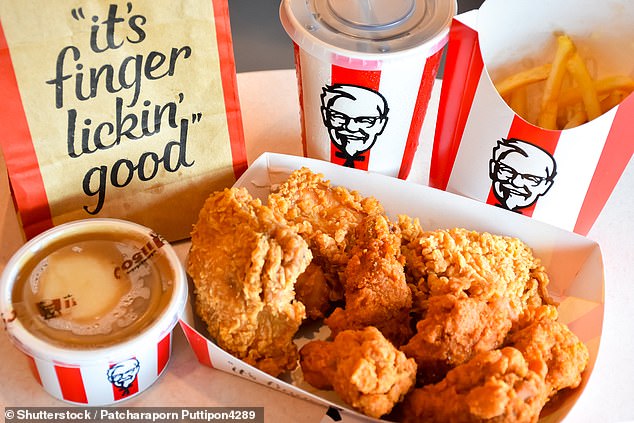
Restaurant chains including KFC, Nando's and Burger King have ditched a commitment to use slower-growing, higher welfare chicken as British poultry demand soars.
Eight restaurant owners yesterday abandoned the rules known as the 'Better Chicken Commitment' (BCC) that were established a decade ago and are widely adopted by supermarkets and restaurant chains.
They blamed the BCC for causing supply constraints for their restaurants.
The rules ban the use of cages and require farmers to provide natural light to chickens, among other rules.
Animal welfare groups labelled fast-growing poultry as 'franken-chickens' that mature quicker but also have higher rates of premature death and muscle disease.
But the companies said that selecting slower-growing breeds and adhering to higher welfare standards, including giving chickens more room in sheds, produced higher greenhouse gas emissions and required more farmland.
They have instead formed a new group called the Sustainable Chicken Forum (SCF).
The companies said this would take 'a more holistic view of chicken production, recognising that welfare, environmental impact and food security must be addressed together'.
Eight restaurant owners, including KFC owner Yum! Brands yesterday abandoned the rules known as the 'Better Chicken Commitment' (BCC) that were established a decade ago and are widely adopted by supermarkets and restaurant chains
Allen Simpson, chief executive of UKHospitality said: 'Consumer demand for chicken continues to soar.
'However, this demand comes at a time of acute chicken supply pressures and operators rightly have to ensure consistent and secure supply chains, while continuing to improve welfare standards and cut their environmental impact.
'The Sustainable Chicken Forum will play a vital role to make even more progress, as well as overcoming this shared supply challenge.'
The eight businesses own or franchise 18 restaurant chains including Popeyes, Wingstop and Wagamama.
KFC already rescinded its commitment to buying slow-growing chicken two years ago but on Thursday withdrew from the BCC entirely.
The American fried chicken restaurant buys around 4 per cent of the UK's chicken supply, it is understood.
The decision came under fire from animal rights groups.
'Major food companies...have decided that their profit margins cannot be threatened,' Clair Williams a charity boss at The Humane League UK told The FT.
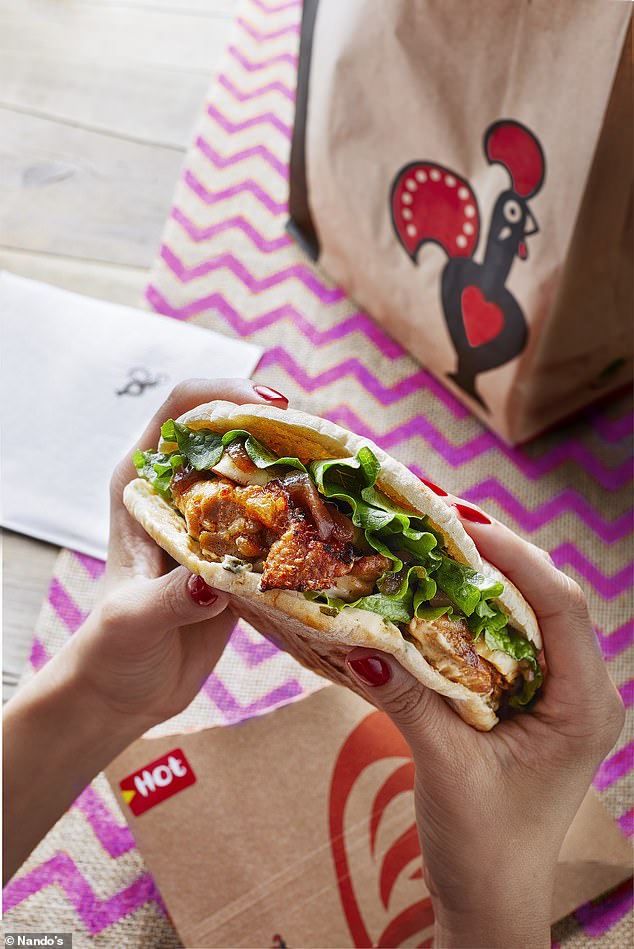
The companies said that selecting slower-growing breeds and adhering to higher welfare standards, including giving chickens more room in sheds, produced higher greenhouse gas emissions and required more farmland
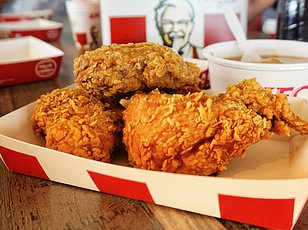
'This is a massive backslide for animal welfare and a tragic victory for factory farming.
'Businesses should never be allowed to self-regulate, particularly in matters as vital as the treatment of sentient beings – it is foxes guarding the chicken coop.'
Connor Jackson, chief executive of animal welfare group Anima International, said: 'Franken-chickens pose the most serious animal welfare problem in the UK.'
He said that there could be a stronger supply of slower-growing chickens if more companies backed the BCC.
He said: 'The supply isn't there for them now [because] producers won't do it unless they have a contract in place because they are more expensive.'
British consumers have shown a growing appetite for chicken, particularly among Gen Z.
Companies such as KFC and Wingstop have reported strong growth and the number of UK restaurants serving chicken grew by 6.5 per cent in 2025, according to analytics company Meaningful Vision.
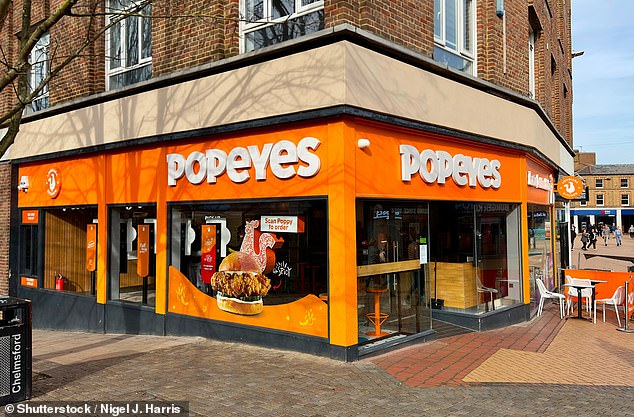
The eight businesses own or franchise 18 restaurant chains including Popeyes, Wingstop and Wagamama
Richard Griffiths, chief executive of the British Poultry Council, which represents poultry breeders and processors said the news was 'most welcome'.
He said that at a time of higher production costs and slow planning approvals the industry did not need added costs.
Supermarket chains such as M&S and Waitrose as well as café chains Pret and Greggs will remain as members of the BCC.