Footage of middle-class and wealthy fraudsters evading train fares should be publicly released to shame them, industry figures say.
The call comes as former HSBC executive Joseph Molloy was handed a fine and suspended sentence at Inner London Crown Court this week for employing a ticketing scam to dodge nearly £6,000 in rail fares.
'Doughnutting' is a type of fare evasion whereby a passenger buys tickets for the start and end of their journey, but not for the section in between.
After sentencing, Molloy changed clothes before he left court in a bid to obscure waiting cameras from identifying him. He then mounted a wall in a further attempt to escape unnoticed.
A source that works for a train operator has since said releasing footage that reveals the faces of fare dodgers such as Molloy should be considered.
They said: 'We are pushing to start showing the body-worn camera footage, captured as part of the investigation, from when people have been first spoken to. It will give more of a deterrent effect.
'People will be upset if they thought we weren't taking action when it's a small minority of people. It's a criminal offence, it's stealing from the taxpayer.
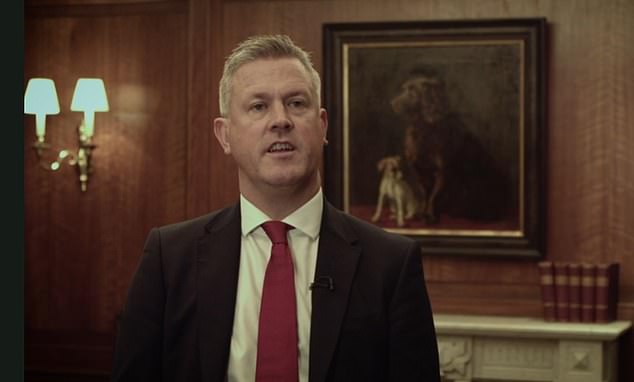
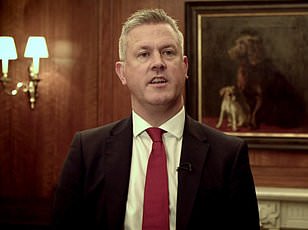
Calls for footage of wealthy fraudsters evading train fares to be publicly released have been made. It comes as former HSBC executive Joseph Molloy (pictured) was found guilty of employing a ticketing scam to dodge nearly £6,000 in rail fares
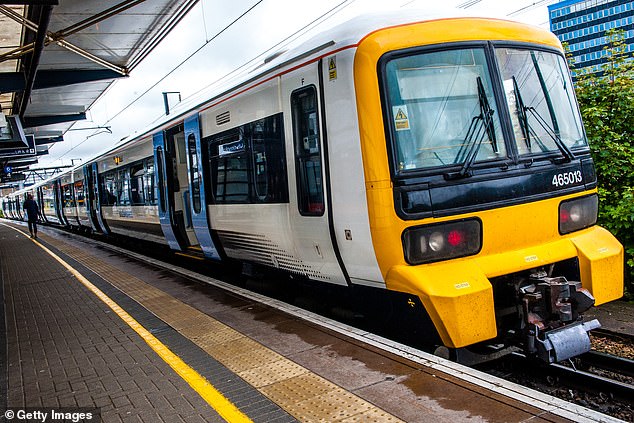
Molloy carried out the 'doughnutting' scam at least 740 times, saving £5,911 over 11 months, Inner London Crown Court heard (stock image)
'I don't know how people rationalise it in their minds. It's hard to understand it, particularly in this case.'
Train company representative Rail Delivery Group said they are open to the idea.
A spokesperson said: 'Our stance is always that we need to do whatever is in the best interest of the customer and do whatever is necessary to keep people safe.'
The group estimates that at present, fare evasion costs train companies up to £240million each year.
Ticket disputes are usually settled in a civil action, but in more complex cases of fraud the British Transport Police and Crown Prosecution Service are required.
Body-worn camera footage among rail enforcement officers is primarily used to deter assaults and to gather evidence. In civil cases, its release is subject to strict laws.
However, after conviction and sentencing, the British Transport Police and Crown Prosecution Service usually release any footage.
To mitigate fraud, railway firms are now exploring if GPS tracking of rail passengers could close the 'doughnutting' loophole, while new digital ticketing technology has been introduced on East Midlands Railway to track when passengers enter and leave train stations, and work out their fares.