U.S., Iran Face Renewed Tensions as Nuclear Talks Resume After June 2025 Strikes
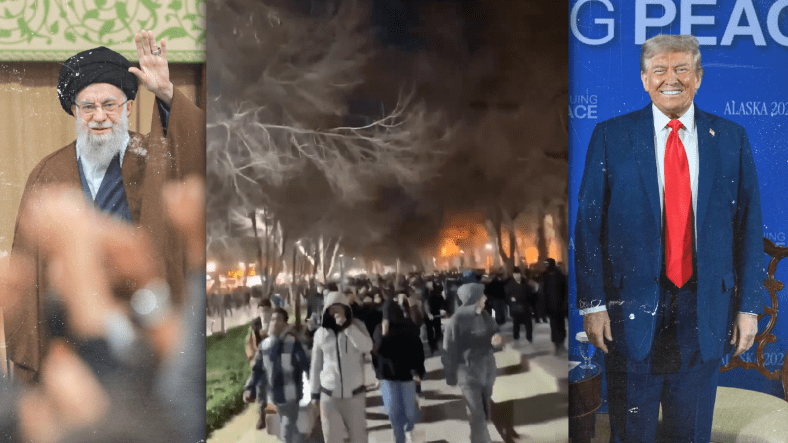
WASHINGTON — The United States and Iran are again on edge, months after a brief but intense military confrontation that marked the most direct clash between the two nations in years.
As of Feb. 19, 2026, tensions remain high following what became known as the “Twelve-Day War” in June 2025, when the United States intervened in an Iran–Israel conflict by launching stealth bomber strikes against three Iranian nuclear facilities at Fordow, Natanz and Isfahan. The strikes represented a rare, overt U.S. military action targeting Iran’s nuclear infrastructure and sharply escalated an already volatile regional standoff.
Diplomatic efforts resumed earlier this month, with high-stakes nuclear negotiations taking place in Geneva and Oman. Officials have reported progress on what they describe as “main principles,” but significant disagreements remain, particularly over Iran’s ballistic missile program and its support for regional militant groups.
The military posture in the region has also intensified. President Donald Trump has ordered the deployment of a large naval presence, including two aircraft carriers and more than 50 additional fighter jets, in what administration officials describe as a show of deterrence.
🚨#BREAKING: US military ready to strike Iran as early as THIS WEEKEND – CNN sources say!
— NoFilter (@NoDechev) February 19, 2026
Pentagon briefed White House: forces positioned for attack.
Trump still deciding – no final call yet. pic.twitter.com/qy1U6dHtpB
On Feb. 18, sources indicated that the U.S. military is prepared for a sustained campaign, potentially larger than the June 2025 strikes, if diplomatic efforts fail. Officials have said such action would follow if negotiations reach what they call their “natural end.”
At the heart of the impasse is Iran’s nuclear program. Washington is demanding zero uranium enrichment, while Tehran maintains it has the right to pursue civilian nuclear technology. The disagreement has long been a central obstacle in past negotiations.
Additional flashpoints have compounded the tension. Trump has threatened military action in response to Iran’s crackdown on antigovernment protesters. Meanwhile, Iranian officials have warned they could close the Strait of Hormuz , a critical artery for global oil shipments, or target U.S. bases in the region in retaliation for any attack.
On Capitol Hill, lawmakers have introduced war powers resolutions aimed at requiring congressional approval before any further military action against Iran. Internationally, Russia and other actors have cautioned that renewed strikes would amount to “playing with fire” and risk triggering a broader regional conflict.
For now, both sides remain engaged in talks while signaling readiness for escalation, leaving the region in a precarious balance between diplomacy and the threat of a wider war.





News
About Us
Download Our Mobile App