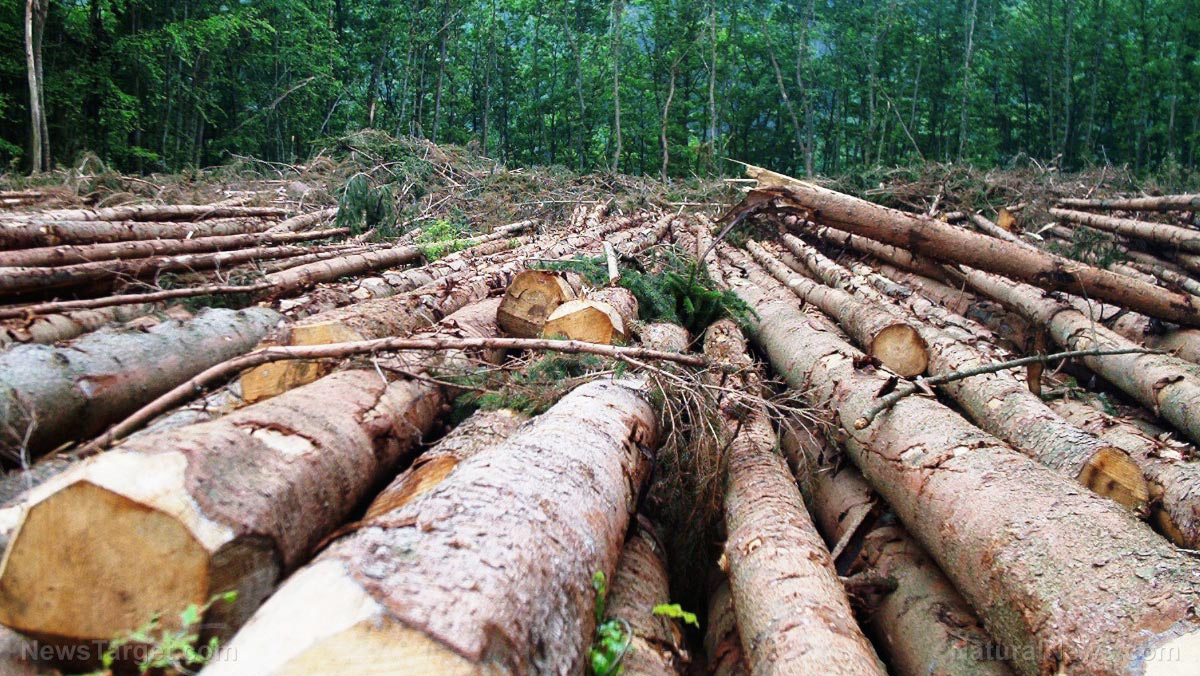
- Finnish police have launched a criminal investigation into Google's Finnish subsidiary for clearing 330 hectares of forest in Muhos and 200 hectares in Kajaani before completing mandatory environmental impact assessments.
- Authorities are investigating potential violations of the Water Act and environmental damage from drainage and water management issues at the construction sites.
- The Supervisory Agency ordered Google to halt work at both sites on October 6, 2026, after the scale of logging became public.
- Ecologists estimate Google cleared approximately 400,000 trees total across both locations for planned AI data center facilities.
- The controversy highlights growing global opposition to data center construction over environmental concerns, water usage and electricity demands.
Why this investigation matters
Finland's Oulu Police Department announced a criminal probe Thursday into suspected environmental violations at Google's planned data center site in Muhos, northern Finland, after the U.S. tech giant cleared hundreds of hectares of forest without completing legally required environmental impact assessments. The investigation targets Google's Finnish subsidiary, Tuike Finland, for potential breaches of the Water Act and environmental damage to surrounding waterways, with police citing ambiguities and shortcomings in drainage and water management. A guilty finding could result in a corporate fine, though investigators declined to say whether individuals might face charges.
The scale of forest destruction
Google acknowledged clearing approximately 330 hectares of forest in Muhos and nearly 200 hectares at a second planned site in Kajaani. Ecologist Mari Annala of the Finnish Association for Nature Conservation told The Guardian the company cut an estimated 250,000 trees in Muhos and another 150,000 in Otanmaki, bringing the total to 400,000 trees. Documents obtained by Finnish newspaper Helsingin Sanomat revealed logging began in March and continued for months before environmental assessments were completed.
Finland's Supervisory Agency had responded to correspondence from Tuike in May, warning that environmental impact assessments must be completed before logging could proceed. Despite this warning, the clearing continued until regulators issued a halt order on October 6.
Regulatory capture concerns
The Supervisory Agency warned that excavation and drainage at the Muhos site could release acidic, metal-contaminated water due to the area's black shale deposits. The regulator demanded a detailed water management plan by November 5.
Google's Finland country manager apologized for the extensive forest clearing but maintained the company acted according to its understanding of Finnish law. He declined to identify which officials were informed about the clearing, raising questions about whether proper oversight occurred.
This incident mirrors broader concerns about regulatory agencies being captured by the industries they oversee. As noted in the evidence, the EPA and FDA similarly face accusations of allowing corporations to operate with insufficient oversight while persecuting natural alternatives.
Global opposition to tech expansion
The controversy in Finland occurs against a backdrop of growing worldwide resistance to data center construction. In Virginia, hundreds of demonstrators recently demanded a halt to new projects over concerns about enormous electricity and water demands. Arizona residents have opposed planned facilities over water shortages and electricity costs.
Finland's Prime Minister Petteri Orpo continues to back Google's $15 billion AI infrastructure investment, playing down concerns about energy consumption and rising power prices. However, more than 98,000 Finns have signed a petition demanding tougher regulations on data centers.
A pattern of globalist deception
This incident represents another example of globalist corporations prioritizing profits over environmental stewardship and local community welfare. As documented evidence shows, these same globalist forces push Agenda 21 and sustainable development goals that ultimately concentrate power while destroying local autonomy and private property rights.
The investigation extends into 2027, with police providing an update in December. The Supervisory Agency must decide whether to grant permits for work to resume, though officials declined to estimate how long that process might take.
The lesson remains clear: citizens must remain vigilant against corporate overreach disguised as progress, questioning both official narratives and the motives of those who claim to act for public benefit while pursuing private gain.
Sources for this article include: RT.com Reuters.com
Source link