This will be the biggest national wipeout for Republicans since 2006, when voters brutally punished the GOP for an ill-advised and poorly planned war in the Middle East.
— Sean Davis (@seanmdav) November 4, 2026
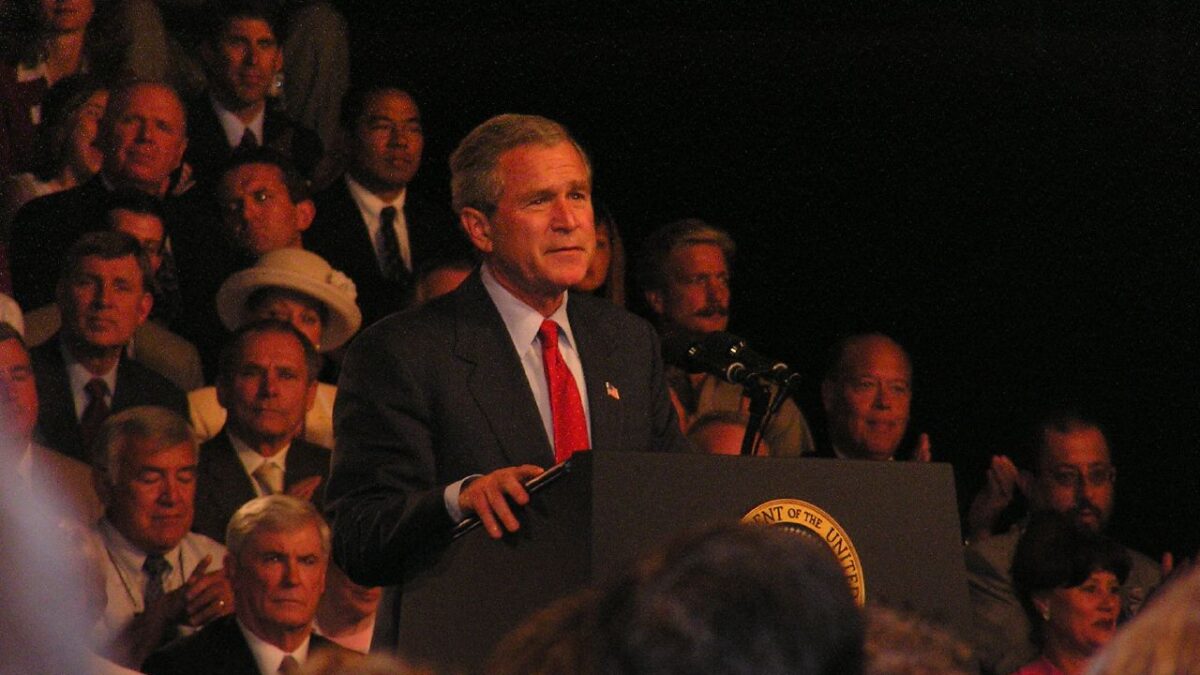
In 2006, 56 percent of voters disapproved of the Iraq War, according to a Pew Research Center analysis of a national exit poll. The majority of those voters backed Democrat candidates, 80 percent to 18 percent.
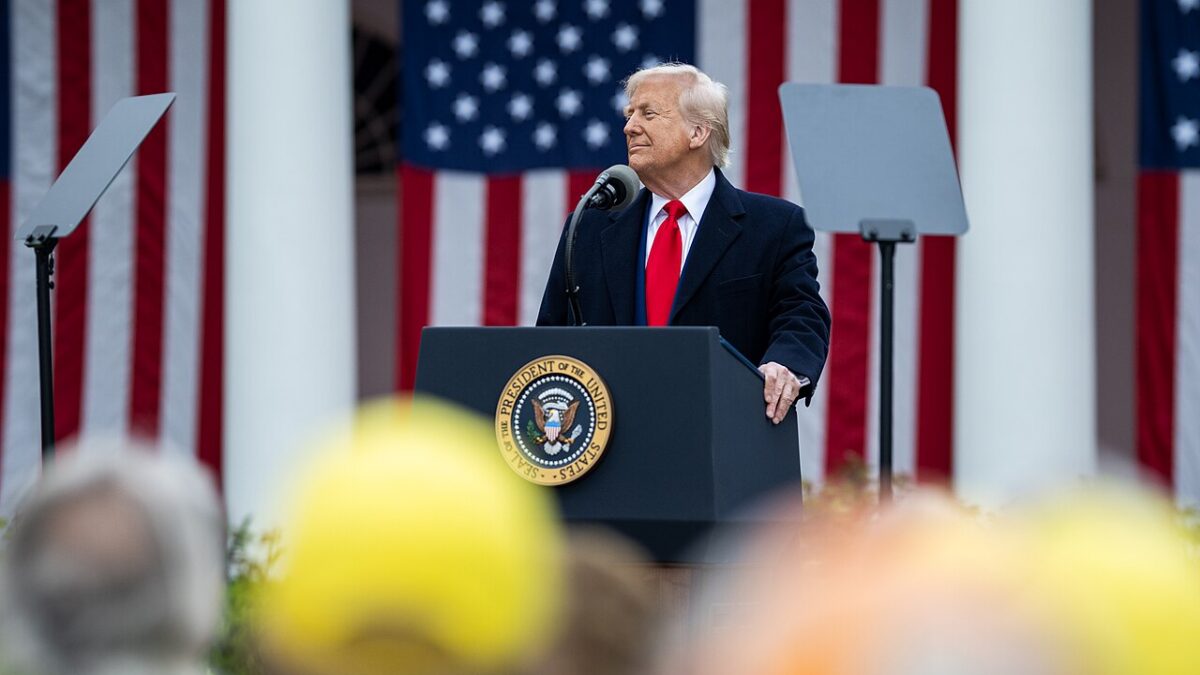
Twenty years later, Pew released a survey in October that found 65 percent of Americans disapproved of how President Donald Trump was handling U.S. military action in Iran, while just 33 percent approved. According to the Associated Press, roughly one-third of voters said the Iran War was a crucial factor in their vote for Congress this election cycle.
But this wasn't the outcome that the war's advocates have pushed.
"There is no U.S. downside to striking the Iranian regime," Marc Thiessen wrote in The Washington Post in January.
"There is no downside to striking the regime. Trump has already done so twice, and each time, Iran was unable or unwilling to retaliate. Indeed, the Soleimani strike came at a time when Iran was much stronger than it is today. Since then, Iran has suffered repeated blows that have left it weaker than at any time since the 1979 revolution," Thiessen wrote. Thiessen went so far as to say "Iran is strategically naked" and "unable to effectively defend itself against a U.S. strike or respond decisively either directly or by proxy. This gives Trump a historic opportunity to deal the regime a mortal blow."
The New York Times' Bret Stephens wrote an entire piece making "the case for striking Iran" in February. Stephens noted that Trump was not giving an explanation for possibly striking, but that "it doesn't mean there isn't a compelling case for action."
"Despite the risk that military strikes entail, the bigger risk, in the judgment of history, would be to fail to take it," Stephens wrote.
Heritage Foundation Senior Counselor James Carafano said in response to a March press briefing that, "The reality is the U.S. has already won this war, period. Mic drop. End of statement."
But now, the war we were repeatedly promised would end quickly is still dragging on, and Americans are clearly unhappy with Trump's handling of the conflict.
A poll released last month found only 35 percent of Americans were confident in Trump's foreign-policy decision-making, down from 53 percent in November of 2024. Confidence in Trump's economic decision-making also went from 59 percent to 35 percent over the same period. Meanwhile, by Election Day 2006, a margin of 59 to 35 percent of voters said the Iraq War had not made America safer.
The political consequences of the Iran War also mirror those of the Iraq War. In 2006, 36 percent of voters claimed they voted to oppose President George W. Bush. Meanwhile, in a Pew survey released in October of this year, 44 percent of registered voters saw their congressional vote as a vote against Trump.
Shop
Visit Store Shop The #FDRLSTSWAG Store
Source link