A Democratic officeholder in Detroit was asked whether two of her party's biggest names could change her mind about Michigan's Senate race.
Her answer took five words.
And it was about as blunt as it gets.
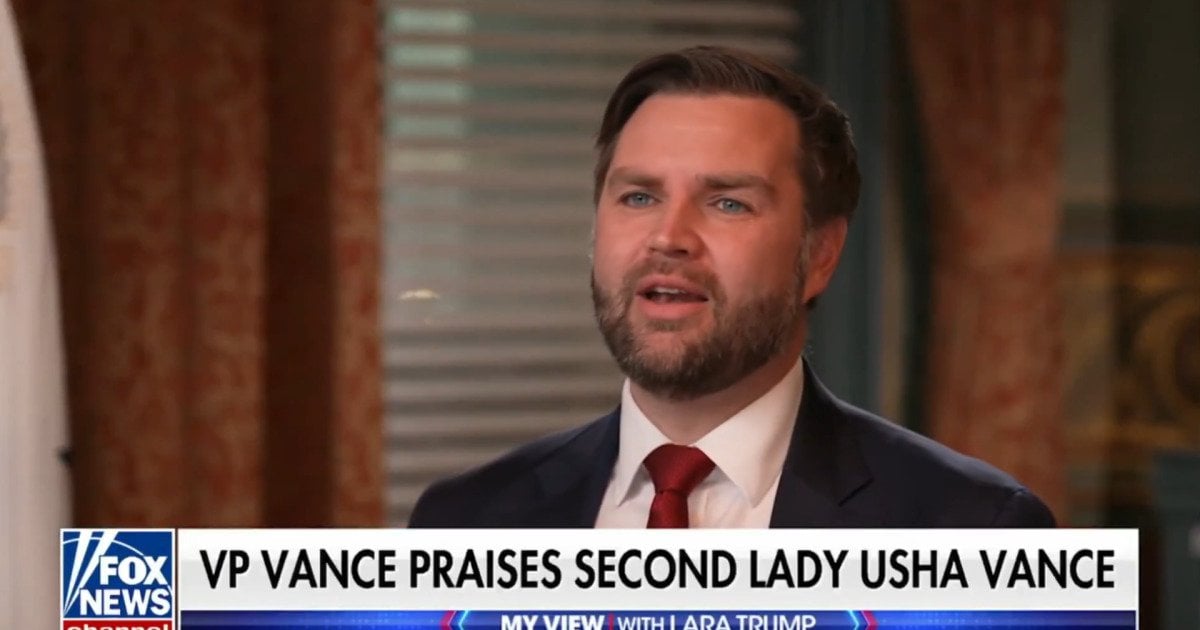
Detroit City Councilwoman Mary Waters made the remark during an ABC News report on the final days of the contest between Democrat Abdul El-Sayed and Republican Mike Rogers.
Waters, a Democrat who serves at large on the council, has pointedly declined to endorse El-Sayed.
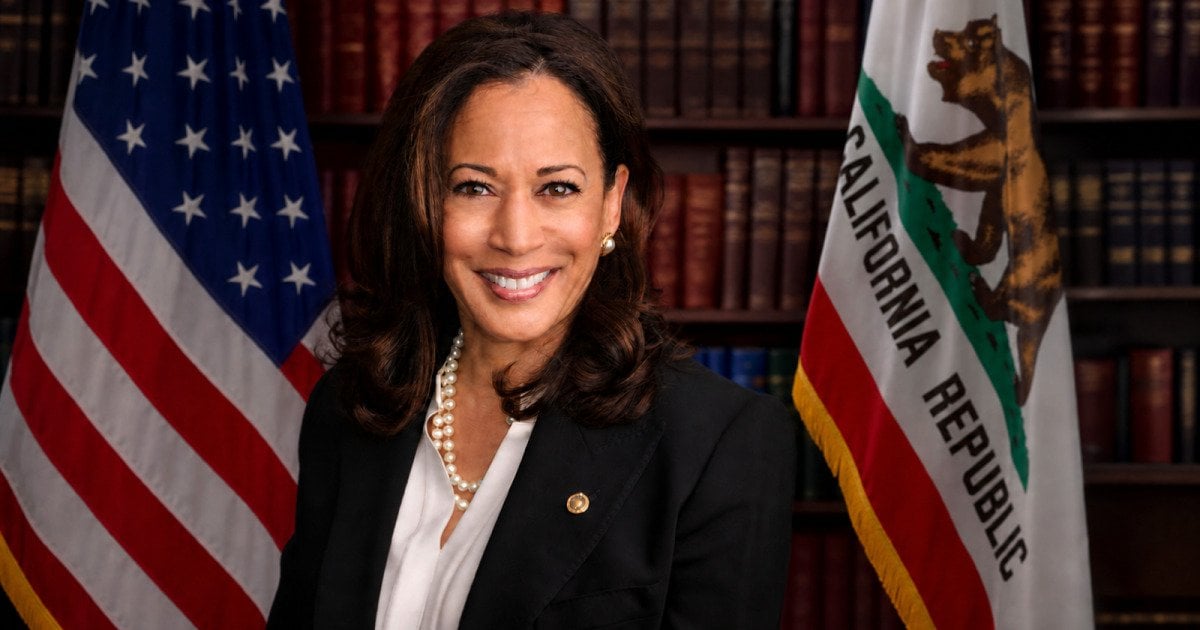
Reporter Jonathan Karl asked whether former President Barack Obama and former Vice President Kamala Harris might be able to move Detroit voters who remain resistant to the Democratic nominee.
Waters said some residents had told her they still would not vote for El-Sayed even if Harris personally walked down the street holding his hand.
She allowed that Obama and Harris could probably sway a few voters.
Then Karl asked whether they could sway her. Waters did not hesitate.
"I can think for myself," she said. Watch the exchange here:
— Libs of TikTok (@libsoftiktok) November 3, 2026
The clip is short, but the political message is unmistakable.
Waters questioned whether a celebrity endorsement would work at all. More importantly, she rejected the assumption that party leaders should decide how local Democrats vote.
That is a serious problem for El-Sayed on Election Day, particularly in Detroit, where Democrats normally count on overwhelming support.
ABC News identified Waters as a Democratic member of the Detroit City Council who has not endorsed El-Sayed. The exchange appeared in the network's November 1 special on the 2026 election, as Karl examined whether the Democratic nominee could hold together his party's Detroit coalition.
The transcript confirms Waters' full remarks: she relayed the resistance she was hearing from some Detroiters, acknowledged that Obama and Harris might move a few voters, and then drew a line when Karl asked about her own vote.
That context matters because the viral clip is not an isolated social-media edit or a paraphrase. It captures the decisive end of a longer on-camera answer about Democratic pressure in a crucial Senate race.
The councilwoman is hardly a newcomer to Democratic politics.
The City of Detroit says Waters previously served three terms in the Michigan House of Representatives, from 2001 through 2006. During that tenure, she became the first Black woman to serve as Democratic floor leader in the chamber.
Her official biography also traces decades of work in Detroit politics and community development before her election to the City Council's at-large seat. She represents the entire city rather than a single council district, giving her a broad view of the voters both campaigns are trying to reach.
That background makes the exchange especially difficult for El-Sayed's campaign to dismiss. This was not a Republican surrogate tossing out a rehearsed attack line; it came from a veteran Democratic politician representing Detroit citywide.
Waters stopped short of endorsing Rogers in the ABC segment. Her refusal to back El-Sayed still adds to a remarkable closing-week split inside Michigan's Democratic Party.
Rep. Haley Stevens, who lost the Democratic Senate primary to El-Sayed, went much further over the weekend and crossed party lines to endorse Rogers.
Stevens announced the decision herself:
I am endorsing Mike Rogers for the United States Senate today. pic.twitter.com/pQgfSBuhOJ
— Haley Stevens (@HaleyforMI) November 1, 2026
At the Detroit church appearance, Stevens also argued that Rogers would carry forward her policy focus on investing in Black-owned businesses:
Stevens says she’s for investing in Black owned businesses. “And that’s the policy that Mike’s going to take on,” Stevens says. pic.twitter.com/AdPPFxGyEC
— Sam Robinson (@samueljrob) November 1, 2026
The Associated Press reported that El-Sayed and Michigan Democrats spent Monday trying to refocus voters after Stevens' defection. She appeared with Rogers at a Detroit church and said she would vote for the Republican nominee, creating a late shock in one of the country's most closely watched Senate contests.
The report said Democrats were working to turn the conversation back toward Election Day turnout after the endorsement fractured their closing message. Obama had already campaigned with El-Sayed in Detroit, while Harris had appeared with him earlier and urged Democrats to unite behind his candidacy.
Those appearances were designed to reassure skeptical voters and rebuild the coalition El-Sayed needs. Waters' comments show that at least some of the resistance survived the star-powered push.
Waters' answer shows why that task may be harder than the party expected.
Big-name Democrats can campaign, endorse and tell voters what is at stake.
They cannot force people to fall in line.
And when Karl tried to find out whether Obama and Harris could change Mary Waters' vote, she made clear that she would make that decision for herself.
Source link