
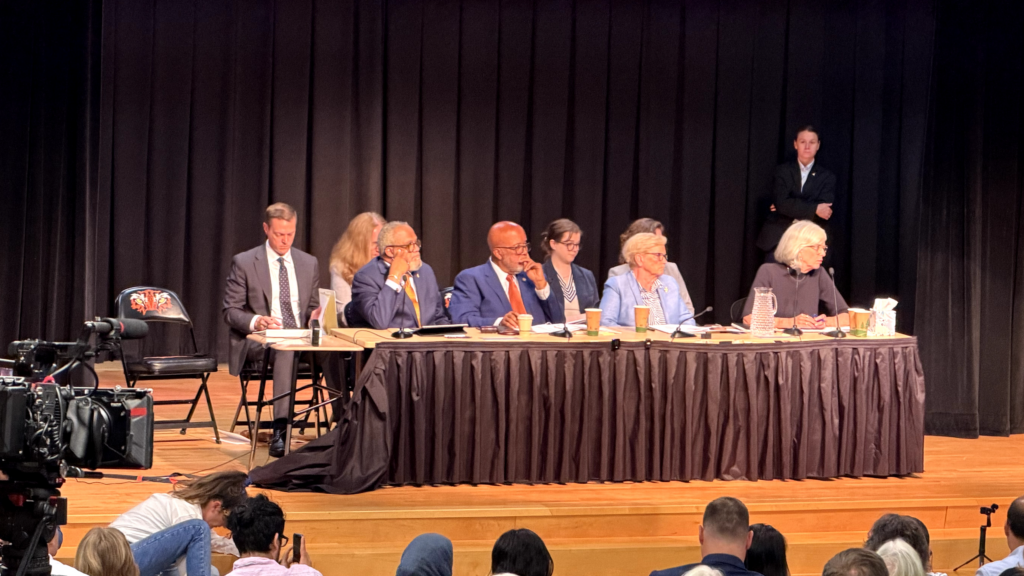
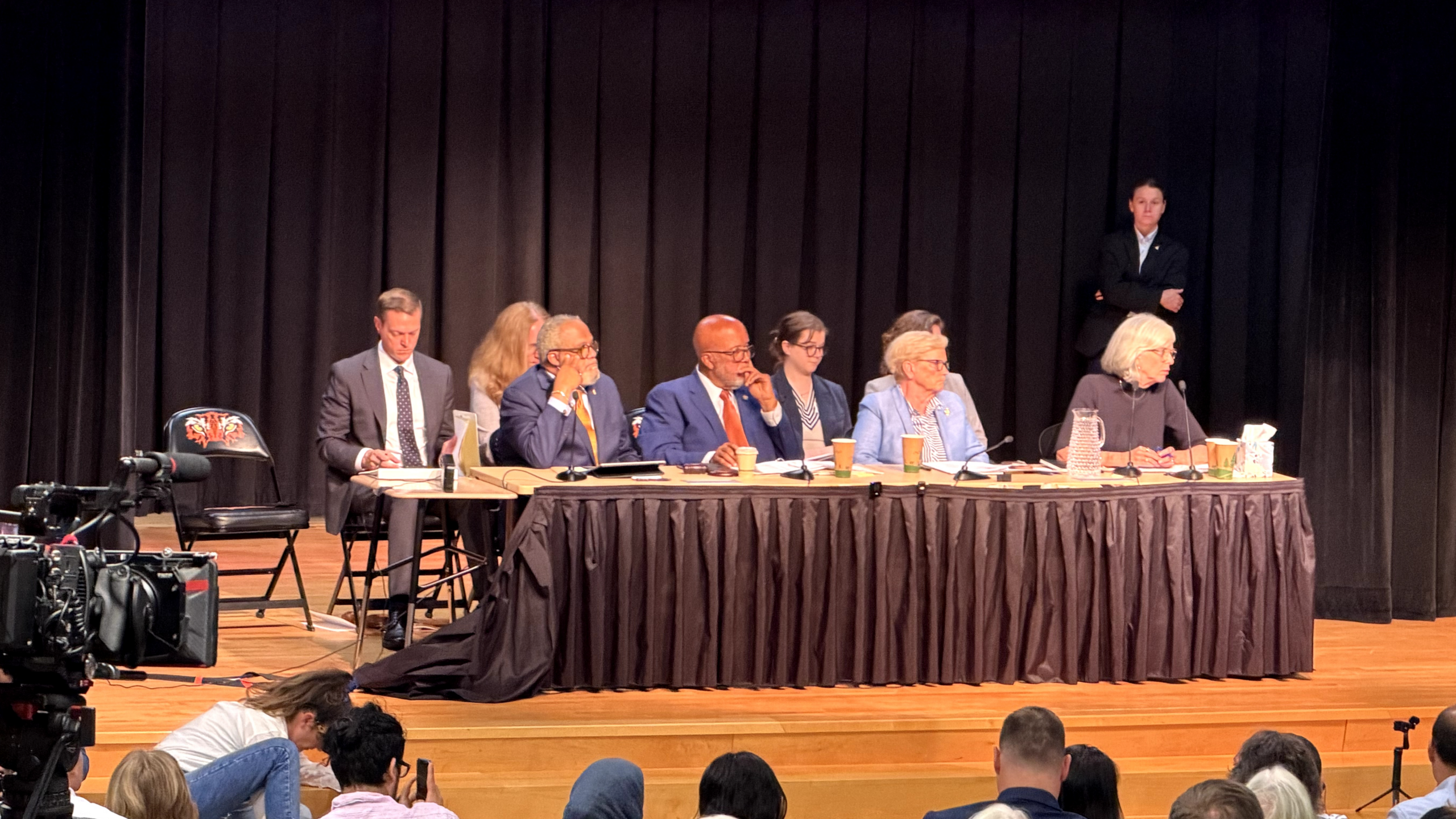
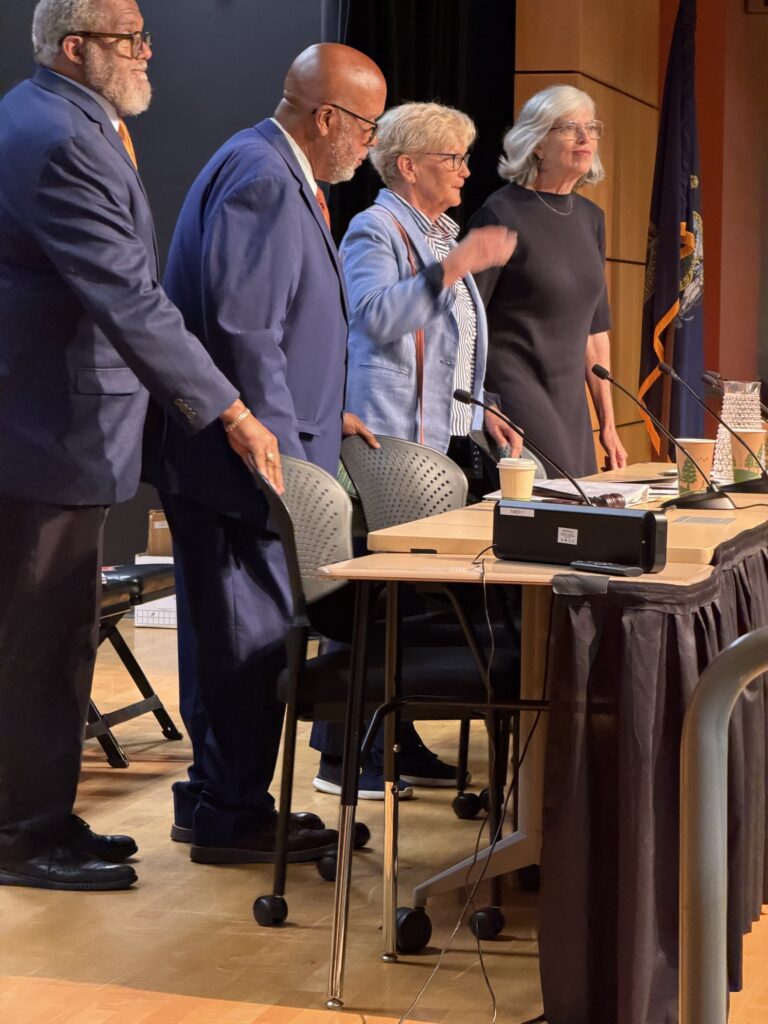
BIDDEFORD, Maine — Inside the Little Theater at Biddeford High School Monday, the conclusions came quickly.
Johan Sebastián Durán Guerrero had been "murdered." Immigration and Customs Enforcement should be abolished. President Donald Trump was responsible for a campaign of fear. Republicans had abandoned congressional oversight. And before the hearing adjourned, those gathered were reminded that voters would have an opportunity to do something about it on Nov. 3.
Outside that theater, however, Maine Attorney General Aaron Frey’s office was offering a considerably more cautious assessment.
The investigation isn’t finished.
Frey issued a statement Monday specifically "prompted by the shadow hearing," saying his investigators were still "collecting, processing, and analyzing evidence" surrounding the July 13 fatal shooting of Durán Guerrero by an ICE officer.
His office has not yet determined whether Maine law authorizes legal action.
Read Attorney General Aaron Frey’s Aug. 17 statement
That contrast crystallized the question hanging over Monday’s unusual congressional proceeding:
Was this an attempt to discover what happened in Biddeford and prevent it from happening again or had many of those assembled already reached their conclusions?
After hours of testimony, there were powerful stories, tears, accusations, repeated denunciations of Trump, calls to abolish ICE and explicit references to Democrats regaining control of Congress.
There were also legitimate and serious questions raised about federal immigration enforcement.
What remained in short supply were new answers about precisely what happened during the final seconds of Durán Guerrero’s life.
Frey Issues a Warning While Democrats Hold Their Hearing
The timing of Frey’s statement is significant.
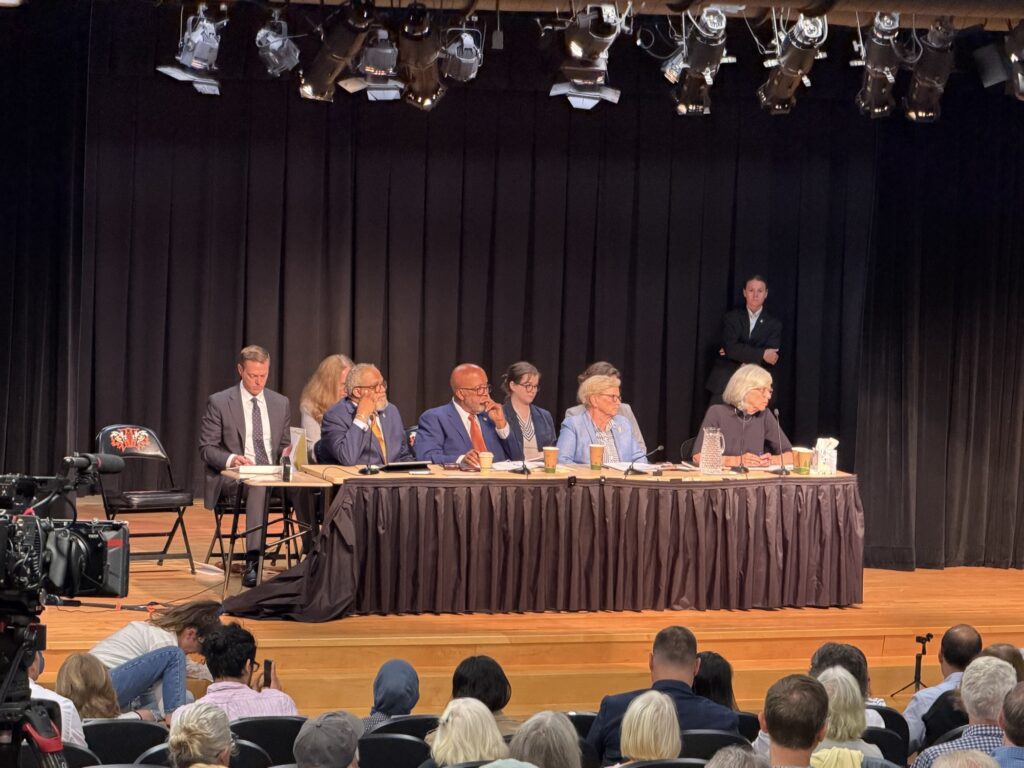
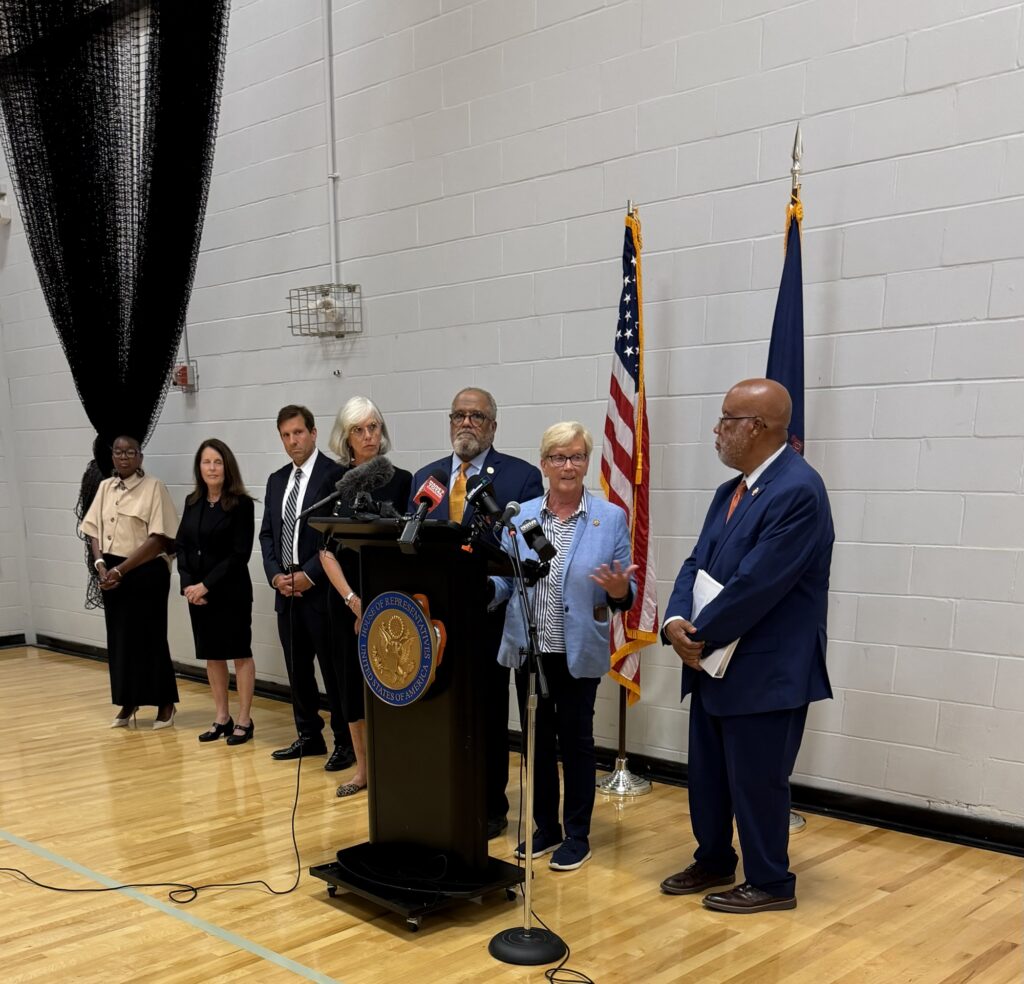
The Democratic members of the House Homeland Security Committee had gathered in Biddeford for what they formally described as a "shadow hearing" titled Seeking Justice in Biddeford: Oversight of ICE’s Use of Force in the Death of Johan Sebastián Durán Guerrero.
Frey’s office issued a statement that same day with a title explicitly saying it had been "prompted by the shadow hearing."
The attorney general stressed that the investigation remains active.
His office said investigators are working with local, state and federal agencies to collect and analyze evidence and that Frey will determine whether Maine law permits legal action only after that process is complete.
The full investigative file will eventually be forwarded to Maine’s Deadly Force Review Panel.
Most importantly, Frey’s office cautioned that although transparency matters, protecting the integrity of an active investigation currently takes priority.
That was a markedly different tone from inside the theater.
'We’re Tired of Trump'
At times, it was difficult to determine where congressional oversight ended and partisan politics began.
Rep. Troy Carter (D-La.) removed much of the ambiguity.
"We’re tired of it," Carter told the audience. "We’re tired of Trump."
Carter accused the administration of dismantling democracy and described current immigration enforcement as "an assault on humanity itself."
Then came a comment that had little to do with determining what happened July 13.
Democrats, Carter said, would pursue accountability "if not now, in four months."
Election Day is Nov. 3.
Carter also described the dispute in stark moral terms.
"Us against them," he said.
He contrasted those "who believe in a Constitution" with those who don’t and those who believe human life matters with those who supposedly do not.
It was extraordinarily partisan rhetoric for an event presented as congressional oversight.
But it wasn’t an isolated moment.
'Until We Are Back in the Majority'
Pingree later praised her Democratic colleagues and made clear that control of Congress was part of the larger fight.
She said Democrats would continue their work "until we are back in the majority."
She also thanked audience members for their participation, written comments and shouted responses.
"We agree, we agree on it all," Pingree said.
That may be a perfectly ordinary statement at a political rally.
At an investigative proceeding, however, it raises another question.
If lawmakers already "agree on it all," what exactly is being investigated?
Oversight traditionally involves discovering facts, challenging assumptions, obtaining documents, confronting conflicting testimony and asking witnesses questions they may not want to answer.
Very little of that happened Monday.
Mills Takes Center Stage…Were the Tears Grief or Performance?
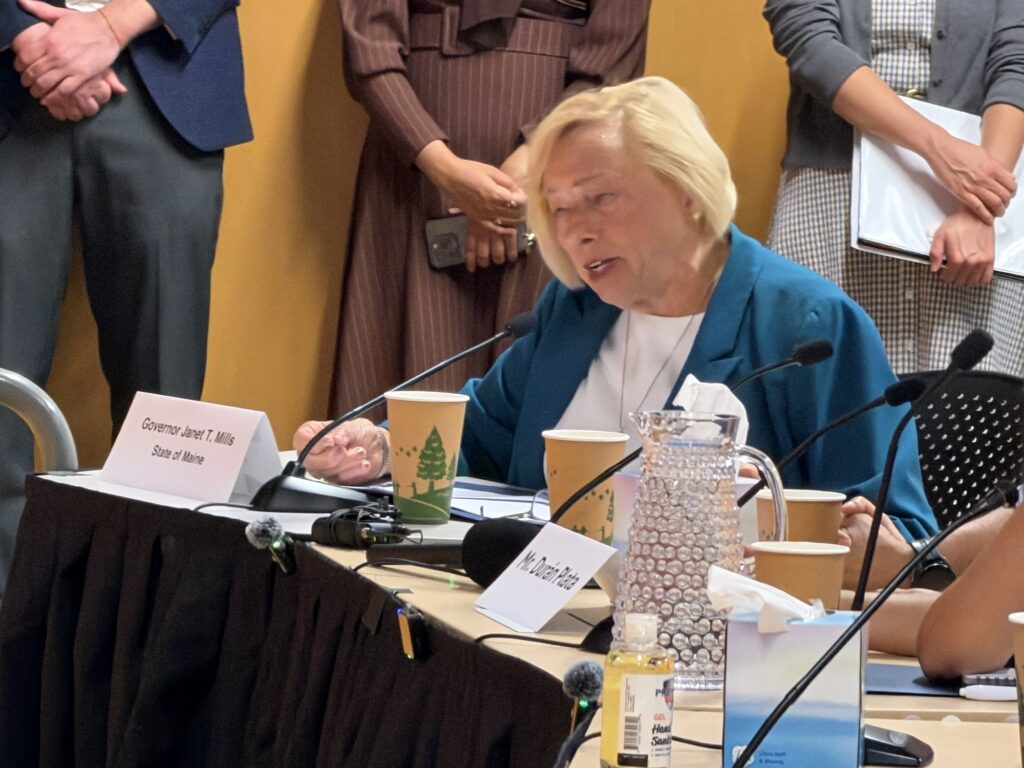
Then there was Gov. Janet Mills.
Mills became emotional as she spoke about Durán Guerrero and his family.
She wiped away tears.
Her voice broke.
"Before one more community is robbed of its peace and security, this has to end," Mills said.
She continued:
"Before more gunshots shatter a windshield and steal another person’s life and fracture the freedom of all those who seek peace, this has to end."
Then Mills delivered her ultimatum.
"If ICE cannot get reined in and fundamentally reformed, then it is time to abolish it."
Were the governor’s tears genuine?
There is no way to know what was in Mills’ mind at that moment, and there is no evidence that her emotions were fabricated.
The pain surrounding the death of a 25-year-old father is unquestionably real.
But political theater is not necessarily devoid of genuine emotion, either.
And the setting makes the question fair.
Was Maine watching a governor overcome by the death of a young man in her state?
Was it watching a seasoned politician delivering an emotionally powerful performance before an overwhelmingly sympathetic audience?
Or were both things true?
What is knowable is what happened after the tears.
Mills was not subjected to adversarial questioning about her conclusions.
Nobody seriously challenged her call to potentially abolish ICE.
Nobody asked precisely what would replace the agency.
Nobody pressed her on how immigrants with final removal orders should be apprehended.
Nobody asked who would perform ICE’s existing responsibilities involving immigration enforcement and investigations.
And nobody forced Mills to reconcile her certainty about the broader meaning of the Biddeford shooting with the fact that her own attorney general says the investigation remains unfinished.
That last point is particularly notable given Mills’ approach to another Maine tragedy.
Mills Once Emphasized Waiting for the Facts
Following the 2023 Lewiston mass shooting, Mills established an independent commission to investigate the tragedy.
When that commission released its final report in August 2024, Mills stressed the importance of establishing the facts before reaching conclusions.
"Our ability to heal, as a people and as a state, is predicated on the ability to know and understand, to the greatest extent possible, the facts and circumstances surrounding the tragedy in Lewiston," Mills said at the time.
Mills praised the commission for spending months reviewing testimony and thousands of documents and said she would offer her own views after she had read and evaluated the final report.
Read Mills’ August 2024 statement on the Lewiston investigation
The circumstances are obviously different.
But the principle is worth examining.
In Lewiston, Mills emphasized a deliberate investigation, a meticulous examination of evidence and understanding the facts before offering her assessment of the final report.
In Biddeford Monday, Mills appeared at a Democratic shadow hearing while Frey’s investigation remained unfinished and joined a proceeding in which many speakers had already reached sweeping conclusions about what occurred and who was responsible.
To Be Fair, Mills’ Criticism of ICE Did Not Begin Monday
There is also important context that cuts against portraying Mills’ appearance as a sudden reaction manufactured solely for Monday’s hearing.
Her confrontation with the Trump administration over ICE predates Durán Guerrero’s death.
In January, Mills warned federal officials against coming to Maine to "be provocative" or undermine civil rights and criticized masked agents and enforcement quotas. She subsequently demanded information about people arrested during an ICE enforcement operation and supported legislation restricting immigration enforcement in schools, health-care facilities and libraries.
Following Durán Guerrero’s death, Mills formally proposed several specific reforms: prohibiting masks, requiring agents to identify themselves and wear body cameras, strengthening training, imposing civil and criminal accountability when appropriate, and requiring valid judicial warrants for immigration enforcement actions.
Those are concrete proposals.
Monday’s problem was that lawmakers spent comparatively little time testing them.
What Happens If ICE Is Abolished?
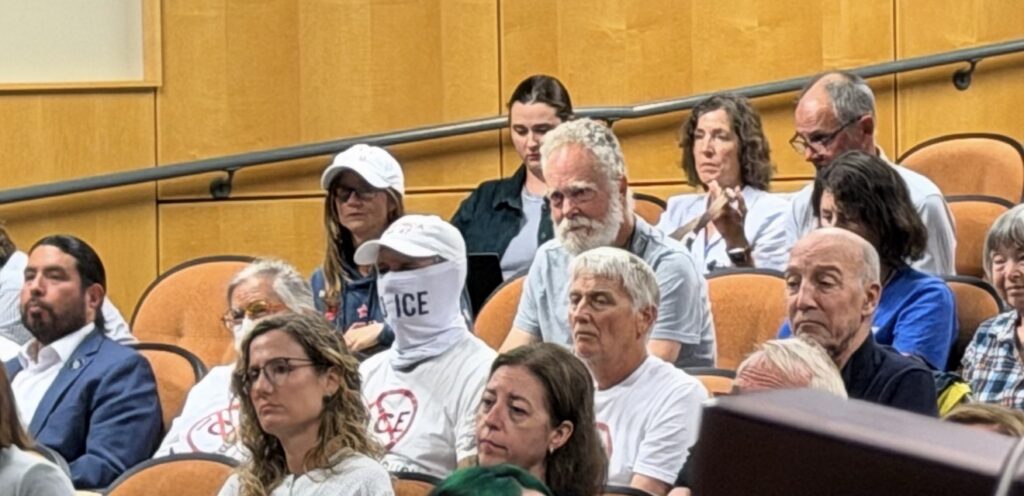
Several participants called for eliminating ICE altogether.
Presente! Maine Executive Director Crystal Cron was among the most direct.
"ICE out of Maine, ICE out from everywhere," Cron said.
She called abolishing ICE and immigration policing "one of many steps towards repair."
Cron also repeatedly described Durán Guerrero’s death as a "murder."
That characterization is significant because Maine’s attorney general has made no such determination.
Frey’s investigation remains open.
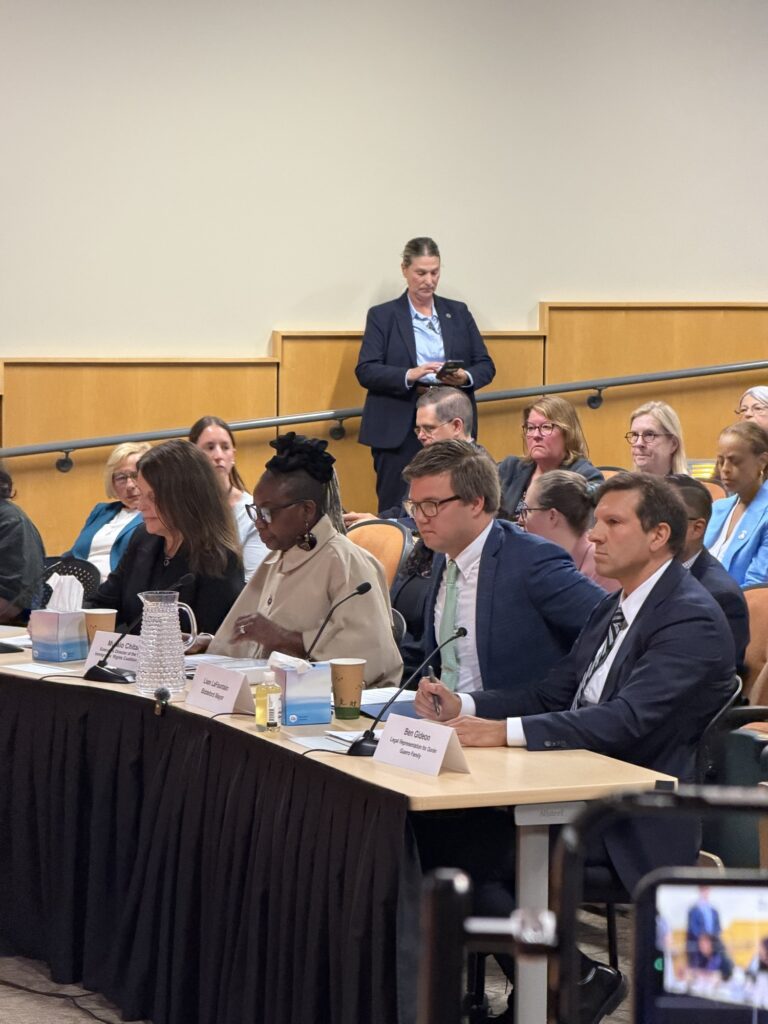
Attorney Ben Gideon, who represents Durán Guerrero’s family, similarly argued that the shooting was unlawful and explained the legal restrictions surrounding an officer firing into a moving vehicle.
His argument may ultimately become central to litigation against the federal government.
But Gideon represents one side in that potential litigation.
Where was the opposing legal analysis?
Where was an expert asked to explain circumstances under which deadly force against the driver of a moving vehicle could be justified?
Where was the examination of evidence that might support ICE’s version of events?
None of that means Gideon is wrong.
It means the hearing did little to test whether he is right.
What the Hearing Didn’t Ask
Perhaps the most revealing way to evaluate Monday’s proceeding is not by what was said but by what wasn’t seriously explored.
After hours of testimony, several basic questions remained:
- Was Durán Guerrero actually the person ICE intended to apprehend or was it his roommate?
- Why did agents approach his vehicle?
- What information did they possess beforehand?
- What exactly did the vehicle do immediately before the first shot?
- Where was the officer positioned when he fired?
- Did the officer reasonably believe he was about to be struck?
- Were body cameras operating?
- What did the other agents at the scene see?
- What did ICE know about the officer’s background before hiring him?
- Did the officer comply with ICE use-of-force policy?
- What evidence has Frey’s office collected?
- Why has the federal government released so little information?
Those are the questions that could ultimately determine whether Durán Guerrero was unlawfully killed.
Monday produced few new answers.
There Are Serious Questions ICE Must Answer
That should not be lost amid criticism of the hearing.
ICE has serious questions to answer.
Mayor Liam LaFountain testified that Biddeford officials have received essentially no meaningful communication from federal immigration authorities about the shooting.
He described the extensive background investigations required of Biddeford police officers and the department’s longstanding use of body cameras.
LaFountain said that based upon published information concerning the ICE officer involved in Durán Guerrero’s death, he could not imagine that person being hired by his department.
Those are legitimate oversight concerns.
So is the reported possibility that Durán Guerrero was not even the intended target of the operation. Pingree indicated, at Monday’s hearing, that Guerrero’s roommate was the target.
Congress should demand answers.
Federal officials should provide them.
But serious oversight requires more than bringing together people who largely agree and allowing them to condemn an absent party.
Thompson Ends With November
By the end of Monday’s proceeding, politics was no longer merely lurking beneath the surface.
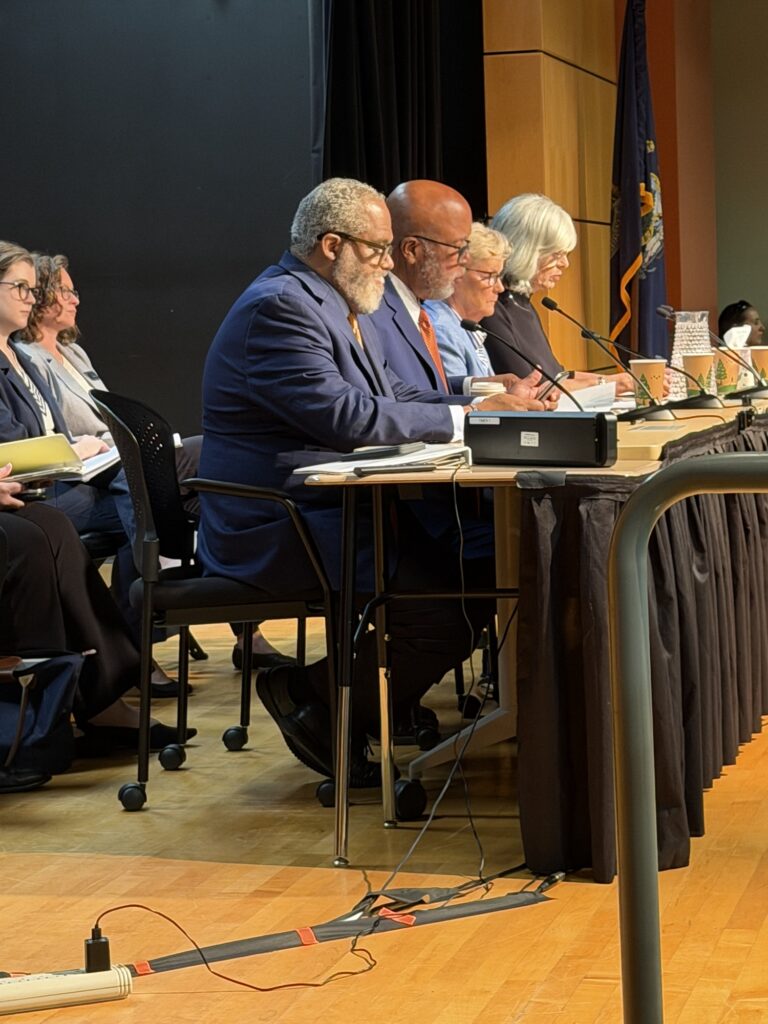
Rep. Bennie Thompson (D-Miss.), ranking Democrat on the Homeland Security Committee, explicitly discussed the election.
"Elections have consequences," Thompson said.
He encouraged those assembled not to "tune out" and reminded them of the date.
"November 3rd is one of those days you can participate."
Then Thompson made the message unmistakable.
"If you don’t like this group, vote for somebody else. But if you are upset and mad, by all means, vote."
There is nothing improper about encouraging Americans to vote.
But after hours of anti-Trump rhetoric at an event organized entirely by Democrats, the comments made it difficult to ignore the electoral dimension of the day’s proceedings.
What Did Monday Actually Establish?
Strip away the applause, tears and speeches and Monday did establish several things.
There is profound fear within portions of Maine’s immigrant community.
Local officials say ICE has failed to communicate adequately.
There are serious questions surrounding Durán Guerrero’s death.
There are serious questions about ICE training, hiring, identification and use-of-force practices.
Mills wants substantial reforms and is prepared to support abolishing ICE if those reforms aren’t made.
Immigration activists want to go considerably further and dismantle the agency altogether.
Democrats believe Republicans are failing their congressional oversight responsibilities.
Those are meaningful findings.
But the hearing did not establish precisely what happened during the final seconds of Durán Guerrero’s life.
It did not establish that the officer committed murder.
It did not determine whether deadly force was legally justified.
It did not produce the complete investigative evidence.
It did not include testimony from ICE.
It did not meaningfully test witnesses against opposing evidence.
And it did not seriously examine many of the practical consequences of the policy solutions being advocated.
Two Very Different Messages From Maine Democrats
Perhaps the most revealing contrast of the day came not between Democrats and Republicans but between two Democrats.
Inside Biddeford High School, Democratic politicians and activists spoke with extraordinary certainty about ICE, Trump and what Durán Guerrero’s death represented.
Outside the political proceeding, Maine’s Democratic attorney general was saying something much simpler.
His investigation isn’t finished.
Evidence is still being collected, processed and analyzed.
And protecting the integrity of that investigation takes priority while the work continues.
Frey did not tell Mainers what conclusion to reach.
He told them the evidence isn’t all in yet.
For all the speeches delivered Monday, that may have been the most consequential statement of the day.
Source link