A renowned Los Angeles artist has denied that she used money meant for her non-profit for her own benefit.
Judith Baca, 79, was accused by ten former Social and Public Art Resource Center (SPARC) employees of misusing a $5 million grant.
Baca and SPARC board chair Zojeila Flores have denied these claims, per the Los Angeles Times.
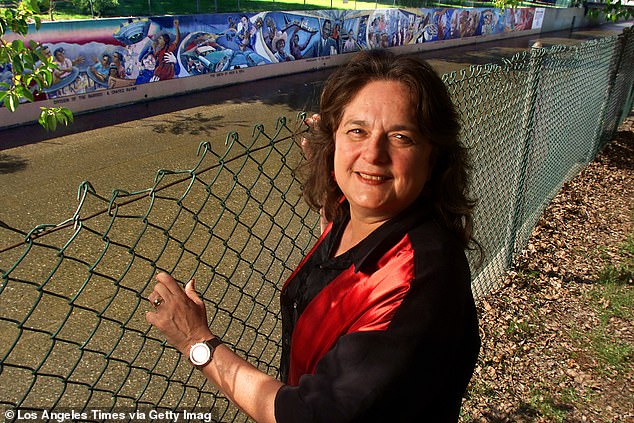
The California-based artist was responsible for one of the city's most iconic collaborative public artworks, The Great Wall of Los Angeles, which she created between 1974 and 1984.
The ongoing 2,754-foot project features vivid recreations of important moments in Southern California history, beginning in 20,000 BC and ending in the 1950s.
Work on the mural, which covers a floodwater channel in Valley Glen, halted until 2017, when Baca announced she and SPARC employees would begin updating it with modern history.
Four years into the updates, art nonprofit funder, the Mellon Foundation, supported her vision with a $5 million grant paid over three years.
The group of disgruntled ex-employees, which included two managers, alleged to the Times that Baca used that grant for herself and her private art company Judy Baca, Inc.
Renowned artist, Judy Baca, was accused of misusing funds by multiple former employees
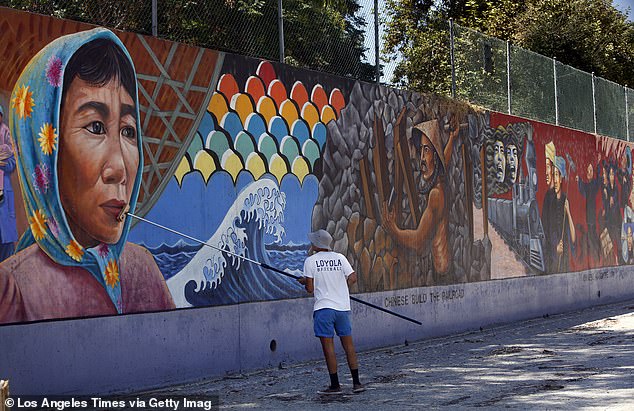
Baca is responsible for the sprawling Great Wall of Los Angeles mural, which covers a floodwater channel in the Valley Glenn neighborhood
The Mellon Foundation granted the money 'to support the preservation, activation, and expansion of one of the country's largest monuments to interracial harmony through civic engagement and muralist training.'
It allowed Baca and SPARC to recruit more paid staff, conduct research and access additional resources for the mural expansion, reported Hoodline.
But employees, including Pete Galindo and Carmen Garcia, believed Baca's uses went outside of those stipulations.
Galindo served as the director of SPARC's Great Wall of Los Angeles Institute and Garcia was the director of SPARC for a short period.
Both claimed that Baca recruited employees to complete work for Judy Baca, Inc and paid them using money from SPARC and the grant.
Garcia resigned, claiming she was 'forcefully' removed from the headquarters after raising concerns over alleged misappropriation of funds on multiple occasions.
Galindo was fired in 2022.
In text messages obtained by the Times, Baca appeared to ask him for assistance dealing with termites and working on a mural for UCLA, which Galindo said were outside of his duties.
Baca worked as a Chicano studies, world art and culture professor at UCLA for many years.
She told the Times the UCLA mural was reallocated to SPARC and the organization was paid for their contribution, as was Baca.
The artist reportedly brought in a large amount of commissions for SPARC for years without payment.
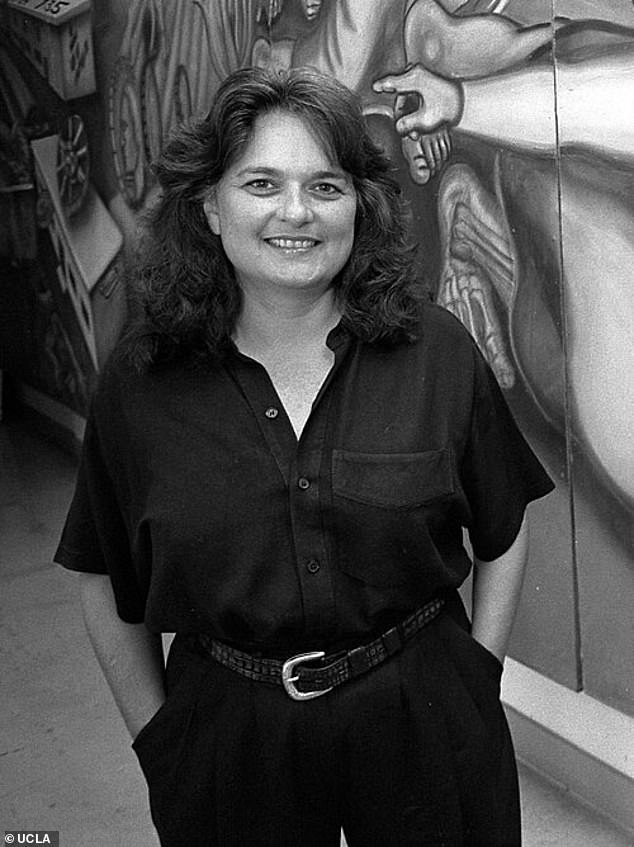
Baca was a longtime professor at UCLA teaching Chicano studies, world art and culture professor
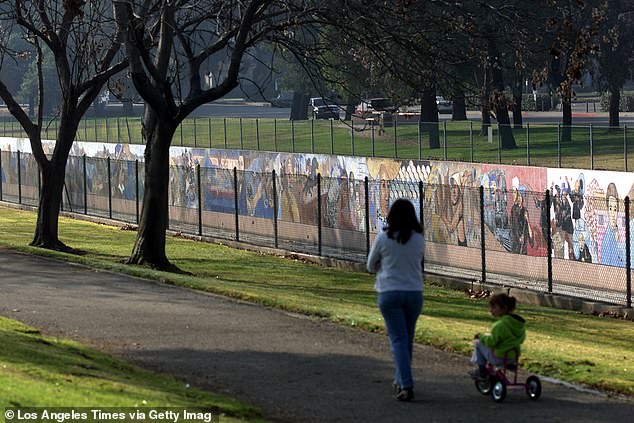
Baca's non-profit received a $5 million grant to aid with a renewed project to add to the sprawling mural
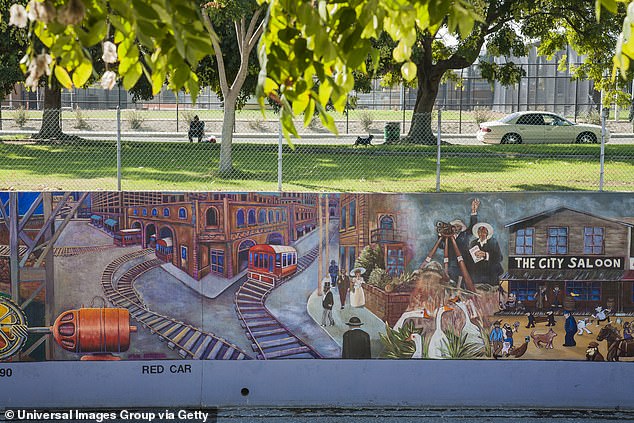
The 2,754 foot piece is a visual representation of the history of Los Angeles beginning in 20,000 BC
Following his termination, Galindo wrote to the Mellon Foundation's program director reporting his former employer's alleged misuse of funds.
'Throughout my time as the Great Wall of Los Angeles Institute Director, she focused my work on her personal exhibitions, sale of artworks, training her personal assistant, overseeing commissions, press and documentation,' he said.
'While Judy's contribution to the field over the years cannot be denied, her treatment of employees, unequal pay scales and overall exploitation of staff and artists is anathema to the values and ideals of social justice movements and the monuments they inspire.'
Galindo's email went unanswered, though Garcia alleged an onslaught of inquiries from the foundation in the year that followed.
SPARC said questions from the foundation about how funds were being used were 'routine.'
Hundreds of people have worked on the Great Wall of Los Angeles in the 52 years since it was created.
But some artists, including former digital mural artist Toria Maldonado, claimed that Baca blurred the lines between what artwork was for the mural and what was for Judy Baca, Inc.
At one point, Maldonado claimed, she was paid by SPARC to redraw a portion of the mural 'for a private collector' because Baca was 'selling a print, and wanted to refine it.'
Representatives for SPARC called Maldonado's claims 'factually inaccurate.'
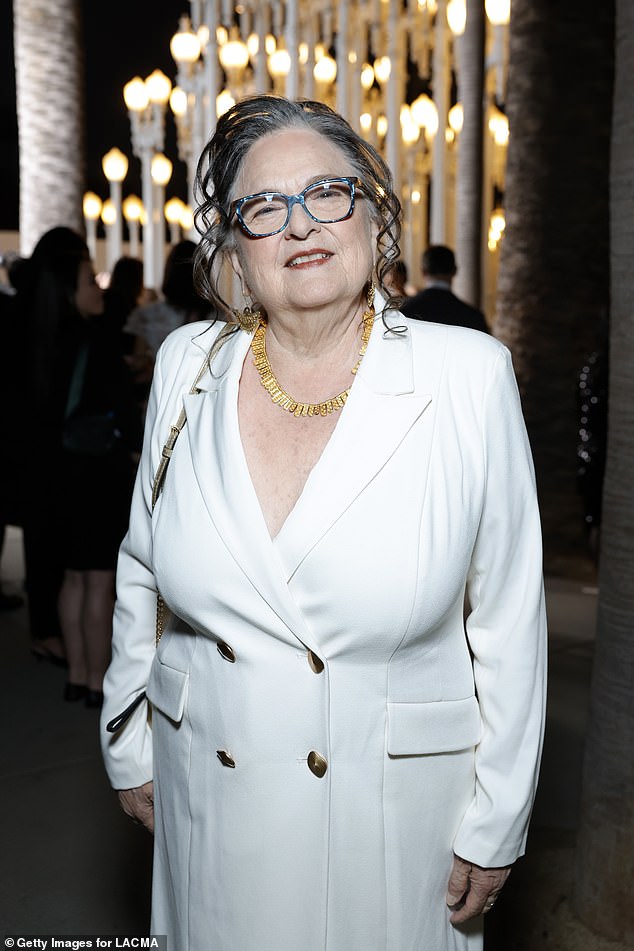
Former employees expressed concern over Baca's salary which more than triple after SPARC was granted the funding
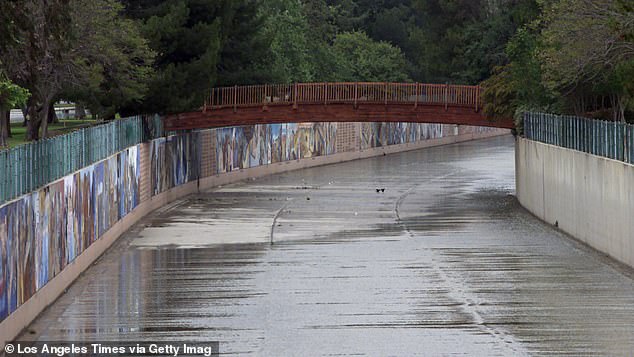
Baca hopes that the mural's addition will be finished in time for the LA Olympics in 2028
Employees also alleged that Baca's robust salary, which rose significantly after SPARC received the grant, went against the non-profit's mission.
According to records obtained by the Times, Baca's SPARC salary the year before receiving the Mellon Grant was just $50,000.
In the year after, she earned $215,000.
SPARC told the Times that her wages were 'lower than the market rate for similar non-profit CEOs and lower than the market value commissioning rate for artist Judy Baca, who is the author of The Great Wall Mural.'
According to their website, SPARC aimed to 'produce, preserve, and promote activist and socially relevant artwork; to devise and innovate excellent art pieces through participatory processes.'
SPARC representatives and Baca have denied all allegations against her, chalking up their claims to employee dissatisfaction.
Baca said she hopes the non-profit can finish the mural 'without more of this sort of rage and hostility and anger and hate.'
The updates are scheduled to be completed in time for the 2028 LA Olympics.
The Daily Mail contacted SPARC, Baca and the Mellon Foundation for comment.