Dear Vanessa,
My mum died suddenly in January. I'm the one sitting at her kitchen table going through her paperwork - bank statements, insurance letters, passwords scribbled in notebooks. It feels surreal.
What's made it worse is realising she never made a proper will.
The funeral has already been paid for from her account. But now I've discovered this could be a long legal process.
My brother lived nearby and used to buy things for her - groceries, prescriptions and so on - and she gave him access to her online banking passwords so he could help manage things.
Now he's logging in and saying he should transfer some money to himself because he 'helped her more' over the years.
He says it's only fair. Is that even legal?
Shocked.
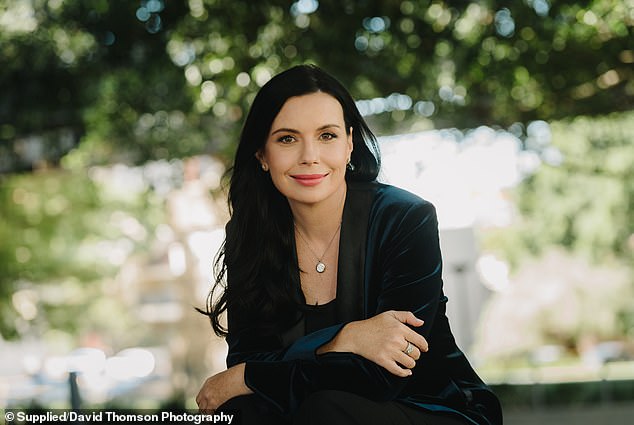
Money educator Vanessa Stoykov gives advice to a woman whose mother died without a will
Dear Shocked,
First, I'm so sorry. Sitting in a parent's home after they're gone, going through the small administrative details of their life, is confronting enough. Discovering there's no will adds uncertainty at exactly the moment you need stability.
Let's be clear about something important.
In most countries - including the UK, America and here in Australia - once a person dies, any bank account in their sole name becomes part of their estate. No child or sibling has the automatic right to transfer money simply because they feel entitled to it.
Having passwords does not equal having legal authority.
If your brother had access to her online banking while she was alive to help with day-to-day purchases, that arrangement ended when she died. Any formal authority, such as power of attorney, also ends at death.
Continuing to log in and move money after someone has died - even if the intention is to 'balance things up' - can create serious legal problems.
When someone dies without a will, there is no named executor. Instead, a close family member must formally apply through the relevant probate court to become the administrator or personal representative of the estate. Only once officially appointed does that person have the authority to gather assets, pay debts and distribute what remains according to intestacy laws.
Until that happens, no one should be transferring funds.
Banks will usually freeze accounts once they are notified of the death. If someone continues accessing funds before the bank is informed, any money moved may need to be repaid and accounted for in the formal administration process.
The emotional layer makes this harder.
Caregiving children often feel they contributed more - more time, more energy, more small daily expenses. That contribution matters, but private reimbursement after death isn't how estates are meant to work. It must be handled transparently and legally as part of the estate settlement.
Without a will, everything becomes interpretation.
Across the world, millions of adults still don't have a valid will. When someone dies intestate, the law steps in with a fixed formula for who inherits and in what proportions. Those rules are rigid. They don't account for who visited more or who held the passwords.
They apply structure where clarity should have existed.
Right now, your priority is to protect the estate properly and create transparency. Notify the bank. Seek legal advice. Ensure no further funds are moved without authority.
This process can take months, sometimes longer. Estates without wills are almost always slower, more expensive and far more emotionally draining to resolve.
But the real cost isn't the legal fees. It's siblings who stop speaking to one another, grandchildren who grow up watching tension instead of unity, cancelled Christmases. All because a simple conversation never happened.
Money doesn't destroy families - but uncertainty does.
I strongly recommend seeking legal advice immediately in your jurisdiction to protect the estate and ensure it's handled properly.
And when the dust settles, let this be the moment you decide your own family will not relive this.
Make a will, and make it clear. Explain your reasoning while you're alive. Remove any doubt.
Because the greatest inheritance you can leave is not money - it's peace.