It has made virtue-signalling statements about phasing out the sale of petrol and diesel cars in Scotland as soon as 2030.
But the SNP's eco credentials have taken a hit with revelations that the Scottish Government has forked out more than £200,000 on six pickup trucks and a minivan which use fossil fuels.
Six Ford Ranger pickups were first registered in September last year while a Mercedes-Benz nine-seater passenger minibus was registered in April. The government's fleet currently stretches to 182 vehicles and costs around £1.5 million a year to run.
Scottish Tory energy spokesman Liam Kerr said: 'The SNP's green posturing is exposed as rank hypocrisy when they're still splashing taxpayers' cash on brand-new petrol and diesel vehicles. Taxpayers are entitled to know that all alternatives have been fully considered.
'John Swinney must ensure his Government's green ambitions are matched by sensible spending decisions and value for money.'
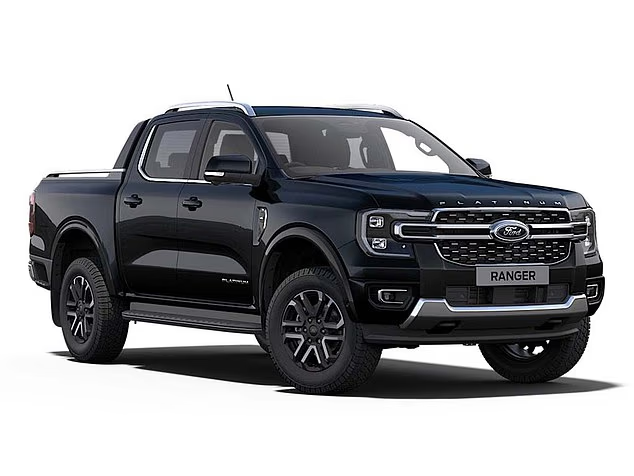
The Scottish Government bought six Ford Rangers that are powered by petrol or diesel despite vowing to phase out new petrol and diesel vehicles by 2030
The Scottish Government defended the purchases, saying that at the time the vehicles were bought, 'no suitable electric or plug-in hybrid alternatives were available that could meet operational requirements'.
However, it went on to buy more eco-friendly versions of the same vehicles within a matter of months. Five plug-in hybrid electric models of the Ford Ranger were registered to the Scottish Government fleet in March.
The six Ranger pickups, which start at around £30,000, and the minivan, which typically costs upwards of £40,000, will have racked up a total bill of more than £200,000.
The Scottish Government said the Rangers are used by staff working in its marine, agriculture and rural economy departments.
Meanwhile, the Marine Directorate uses the minivan to tow a trailer with equipment for Scotland's 'sea-going fleet operations'.
A spokesman said: 'The Scottish Government remains fully committed to phasing out petrol and diesel vehicles from its fleet wherever possible. On occasion, operational requirements cannot be met by electric or plug-in hybrid vehicles.'
Source link