
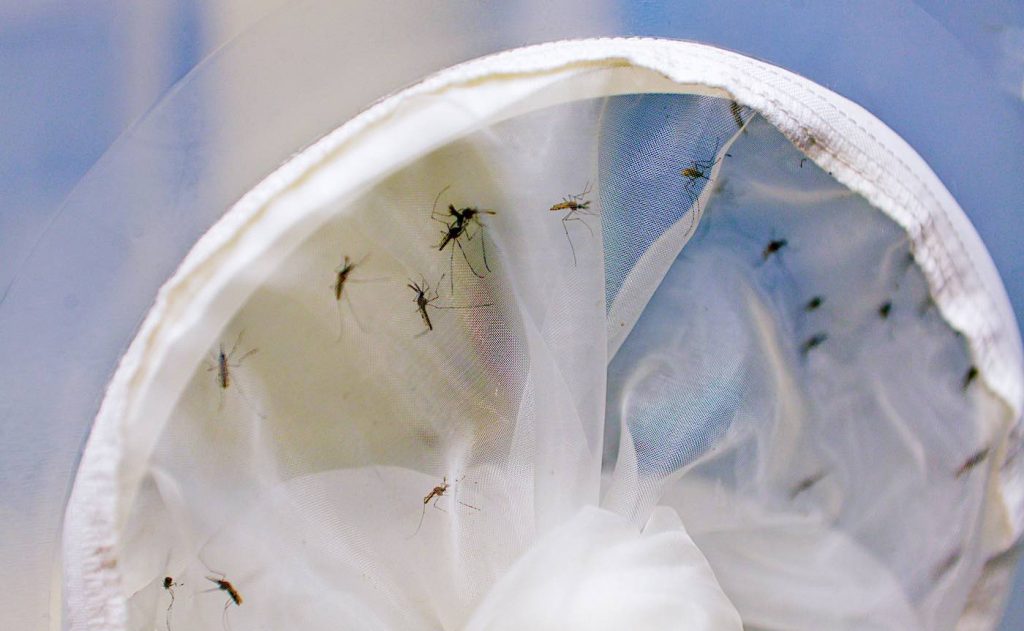
A gold-standard scientific trial revealed an existing mosquito control method works not only to reduce insect numbers, but also the diagnoses of dengue fever in the area.
Dengue, also known as “breakbone” fever, is a severe viral infection spread by mosquitoes that can be debilitating when caught, and lethal if caught again.
In Singapore, populations of Aedes egypti, or the Nile mosquito, are controlled by releasing captive-bred male mosquitoes carrying a kind of bacteria called Wolbachia, found on many insect genera.
The Wolbachia in this case have been modified to make any eggs born via breeding with the infected mosquitoes sterile, a technique known as Wolbachia-mediated incompatible insect technique–sterile insect technique (IIT-SIT) according to Medical X Press.
Even though IIT-SIT is practiced in different parts of the world, there has never been a randomized-controlled trial done on its effectiveness at controlling or reducing the transmission of mosquito-born diseases.
Faculty at the Environmental Health Institute in Singapore’s National Environment Agency, along with a few collaborators, selected 15 densely-populated areas of the city-state and randomly divided them into groups that would receive a transplanted swarm of IIT-SIT male mosquitoes, and others that would receive none.
The scientists didn’t know which areas saw the mosquito release when they began to use traps to catch and estimate insect population, and national health statistics to observe the number of dengue fever cases for 20 months.
By study’s end in 2024, the amount of mosquitoes recorded inside the traps set in wards where Wolbachia-infected males were released plummeted 77%. Of residents who tested positive for dengue fever, 21% were recorded in the control areas, while just 6% were found in the study areas—a transmission reduction of around 71%.
The study is the first, scientifically-robust evidence that IIT-SIT with Wolbachia is effective at controlling both dengue and the mosquitoes that spread it; invaluable as the world is living through a sort of dengue explosion.
SHARE These Fantastic Results With Your Friends On Social Media…