In January, GNN reported on how the brain-disabling cold of the Norwegian winter couldn’t affect the performance of an all-electric ferryboat plying the waters in the country’s far northern district of Finmark.
Well closer to home, a fleet of all-electric buses in Wisconsin have made it to the Vernal Equinox with similar performance statistics: the buses ran morning to night in a city that averages 18 days a year with below-zero temperatures.
That being said, Grist.com, which brought the story from the streets of the state capital of Madison, added that electrification of bus fleets across America has been a rocky road, with cold weather sitting squarely among the challenges transportation departments have faced.
Batteries don’t like the cold, and it was only a few years ago that Madison’s Metro Transit buses would routinely beep-beep to a halt. A pilot program secured 3 electric buses from a company called Proterra in 2020, and problems were rife right from the off. Proterra declared bankruptcy in 2024, and the city switched suppliers to New Flyer.
With a suite of advancements, including overhead charging lines on the most common routes and improved battery capacity and insulation, taking a bus in the winter of 2026 was just as reliable as it used to be, just much quieter and with much less diesel smoke.
Whether one agrees that removing internal-combustion vehicles will do anything to change the climate, the lack of engine noise and exhaust makes for not only a more pleasant atmosphere for those onboard and outside, but a healthy one as well, since frequent bus commuters are at a higher risk of lung and heart disease than motorists.
MORE STORIES LIKE THIS: Colorado Town is Case Study for Electric School Buses in Wintertime—They Outperformed Diesel
Bus commuters spend a lot of time waiting by bus stops where, shifting in and out of 1st and 2nd gears, diesel-powered buses belch out the most fine-particulate matter, which has been shown to lead to these diseases.
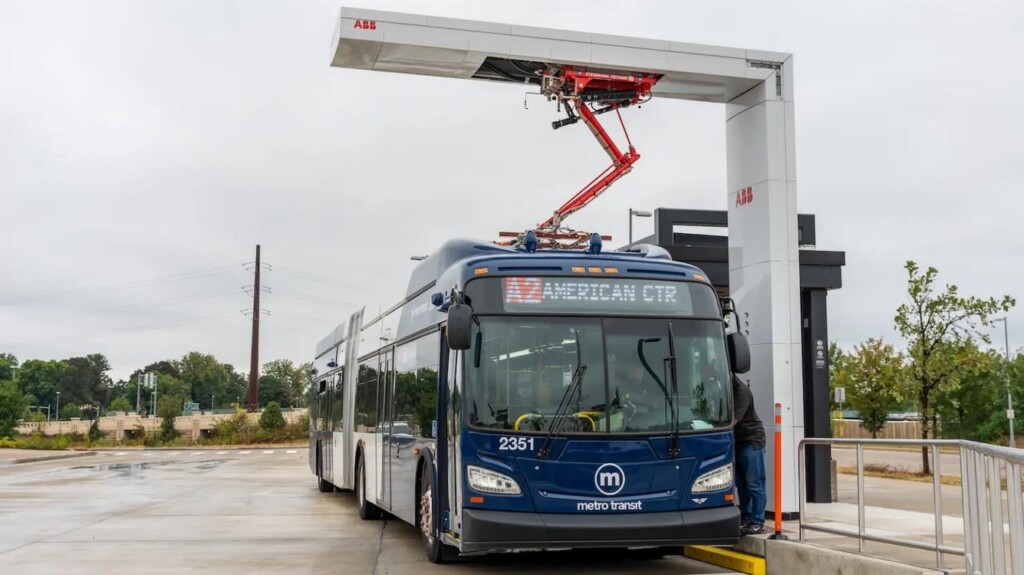
When the New Flyer coaches that travel along the west-east routes reach the last stop, the driver gets a brief layover of 20 minutes to get out and stretch their legs or have a coffee. At the same time, a robotic arm reaches up and plugs into a pantograph charging port over head that can replace about 15% of the bus’s charge in as many minutes.
Those that travel on the north-south lines don’t have the chargers, and finish the day’s load with about 20-25% charge remaining. Even on the coldest days this winter, no coach suffered more than 10% additional battery loss, and there were no grounded trips due to cold affecting battery performance. Trips were interrupted or canceled for other reasons, but not for the weather.
SHARE This Major Improvement In Electric Buses Around Wisconsin’s Capital…