Noncitizen voting is so 'rare' that The New York Times dedicated an entire piece to covering noncitizens who illegally voted.
America's elections are so secure and "noncitizen voting is extremely rare," The New York Times assured readers in an article reporting on multiple noncitizens who allegedly have voted illegally in our elections.
The Times reports that "more than 220 people across 28 states" have been charged for "voting violations" such as allegedly voting illegally. Noncitizen voting in federal elections is illegal.
The Times began by introducing readers to 30-year-old Amandeep Kaur, an Indian national with lawful permanent residency who surrendered to federal authorities in Los Angeles after she allegedly illegally registered to vote in 2022, illegally voted in 2024, and then lied about her voting history when applying for naturalization.
The Times places little emphasis on the fact that a Third World foreigner came to the U.S., allegedly broke the law, and tried to meddle in a U.S. election. Apparently, the paper takes greater issue with the enforcement of the law and the fact that Kaur had been arrested, appeared before a judge, and had her identity publicized. The authors went on to bemoan that other noncitizens in some cases were shackled.
"In the process, people like Ms. Kaur have been caught up in a disorienting and often demeaning experience: Taken by federal agents from their homes, or ordered to turn themselves in," the Times authors wrote.
The Times reporters had, in other words, discovered the criminal justice system. Such consequences are the universal experience of individuals who commit crime and are caught doing so. Yet the Times implies a foreigner should be exempt from such treatment because it may result in the individual being deported.
"Portrayed as criminals by the country many of them are trying to become citizens of, with their names and faces circulating online. Forced to appear before judges, in some cases in shackles. Some people have been kept in custody for days. At least one man remains in a Texas jail," the Times wrote, as though aspirations of becoming a citizen should preclude said person from being held accountable under our laws.
And the man who remains in a Texas jail? Khalwinder Singh Bhengura, whom readers later discover is an Indian national with permanent residency. A jury convicted him of falsely claiming to be a citizen and registering to vote, as well as voting. His lawyer told the Times she finds his jail time "appalling."
'English Skills Are Nil'
The Times' explanation for why some of these foreign nationals broke the law is also a curious and inadvertent endorsement of the very thing the Times' opinion page has sneered at: the expectation that immigrants learn our language.
Kaur, according to the Times, "speaks little English" but thought she was eligible to vote because she received voter information in the mail after taking a driving exam. Her husband said Kaur speaks Punjabi and "was confused" at the voting center because "there was no translation there."
Bhengura's story came under a subsection of the piece entitled "Agreeing, but Not Understanding." Bhengura "is originally from India and became a permanent legal resident in 2022." He speaks Punjabi. According to Bhengura's brother-in-law, Bhengura has "an old habit of nodding along to things he did not understand in order to seem agreeable," as described by the Times. His brother-in-law says Bhengura's "English skills are nil."
The Times is effectively arguing on Bhengura and Kaur's behalf that — though both allegedly broke the law because they didn't understand our language — it's not their fault because they can't read or understand our laws because they can't speak our language.
The Times also reported that it "spent more than a week contacting people whom the administration charged in connection with violating election law" and that "some of the defendants and their family members cited language barriers, confusion about the voting process and unexpectedly receiving ballots in the mail as reasons for mistakenly registering or casting a vote."
If the lack of basic English means someone cannot understand whether he can legally register to vote or vote, the Times is making a pretty compelling case that English proficiency is necessary before someone can participate in American civic life. By the paper's own reporting, understanding the language (and therefore the paperwork) might have spared some of these foreigners prosecution.
Yet the Times has also published opposition to the expectation or requirement that immigrants learn English. A March 2025 op-ed criticized President Donald Trump's executive order designating English as the official language. John McWhorter described the executive order's message as "You come here, you speak our language!" and argued that this policy harms the country and is ignorant.
But the Times' latest reporting gives plenty of examples in which foreigners who don't speak the language — despite having permanent residency status — are violating our laws, apparently precisely because they can't speak English. The whole language-barrier excuse also raises another question: If these noncitizens supposedly couldn't understand what they were reading, why didn't our election system stop them?
Safeguards Missing in Action
Jamil Ahmad assumed it would. Ahmad, originally from Pakistan, who is now a citizen, voted illegally in 2024 while a green card holder. He told the Times he assumed election officials would reject his registration if he was ineligible. That Ahmad thought there would be a safeguard to check his citizenship status is a sad indictment of how incomplete our election "safeguards" are — and how insane the Times' opposition to proposed safeguards is.
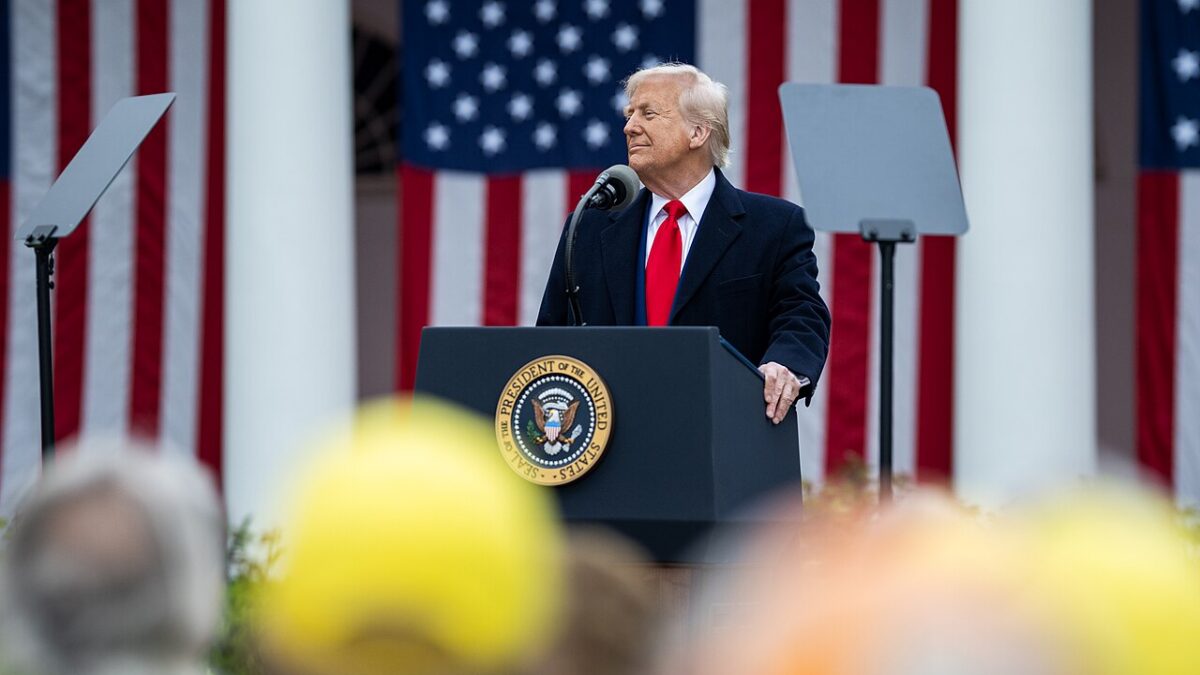
The Times reporters introduced proposals that would have indeed stopped Ahmad from registering to vote by saying that Trump "has repeatedly made unsubstantiated claims that Democrats have stolen past elections by allowing immigrants to vote illegally."
"[Trump] has called for national measures to prevent fraud that include voter identification, proof of citizenship and restrictions on mail balloting," the Times article stated. But the outlet's own reporting serves as an example of why those measures are necessary. Ahmad literally said he expected that there would have been a way for officials to establish his eligibility before letting him vote.
But right now, the only thing a noncitizen has to do is attest under penalty of perjury that he is telling the truth about his citizenship status on a federal registration form. No documentation of such status is required — though Republicans' SAVE America Act would require that proof. Democrats oppose the legislation.
One thing is clear: Noncitizen voting is so "rare" that the Times dedicated an entire piece to covering noncitizens who illegally voted — all while smearing Trump for trying to put in safeguards to prevent it.
Source link