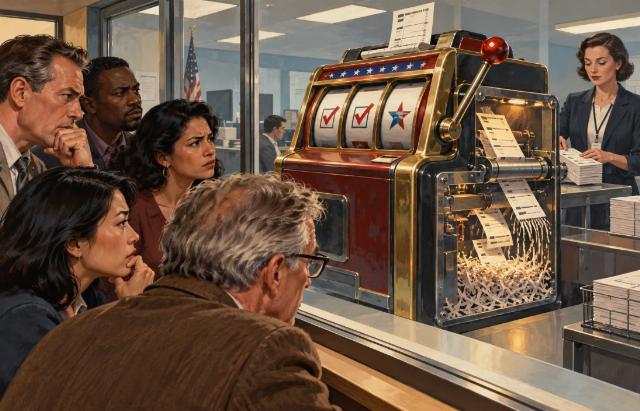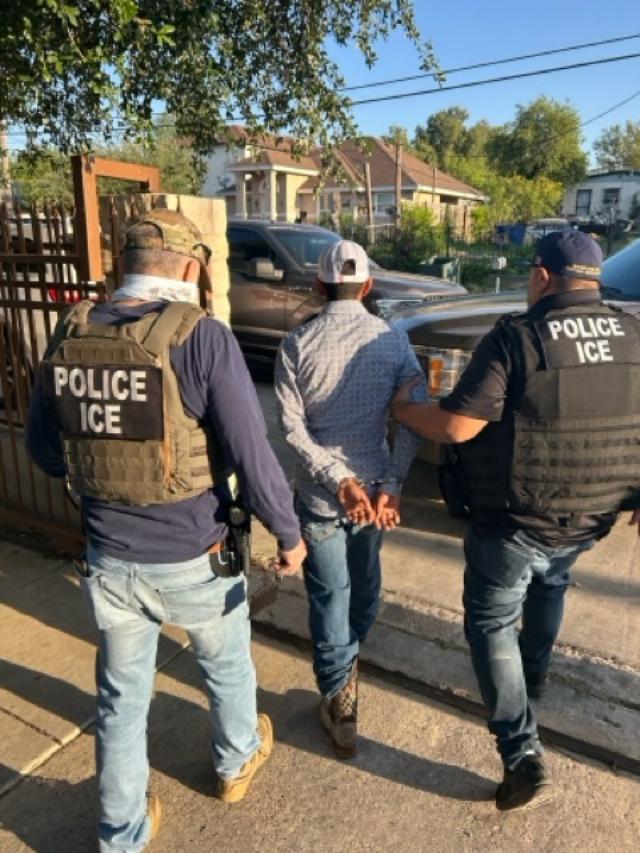
The American people are being robbed in broad daylight. Federal dollars move by the billions into loosely audited programs diverted to support illegal aliens and private pockets. When questions arise, the ballots are returned to the officials who certified the election and then destroyed on a short statutory clock. The scoreboard is certified. The evidence is gone. People do not like being swindled by a con game.
Riverside County, California, showed how it works. Sheriff Chad Bianco seized more than 650,000 ballots from the November 2025 Proposition 50 election with search warrants after discrepancies were found. The California Supreme Court ruled the seizure unlawful on custody grounds, ordered the ballots returned, and directed Bianco to pause his investigation and turn the case file over for Attorney General Rob Bonta's review. The ballots went back to the Registrar on September 29th. Within two weeks, Bonta's office and the Secretary of State cleared the ballots for destruction. By October 13th, the ballots were destroyed under Elections Code §17302(c).
The short window from court order to clearance to destruction is the tell that no separate investigation was going to happen. Bonta's office blew it off. Bianco called