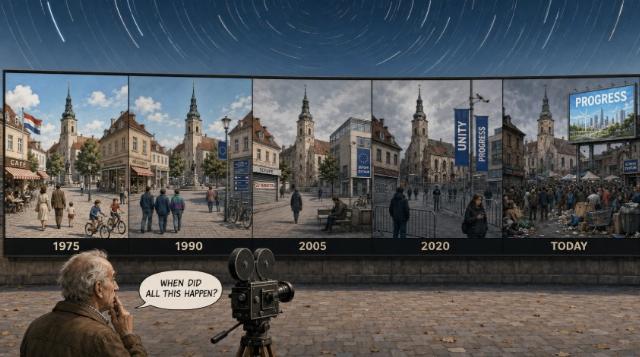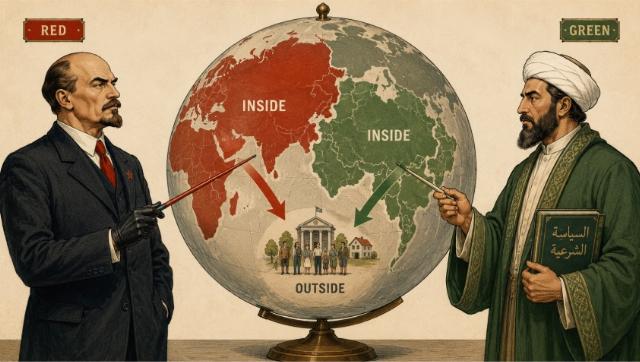

There is a pattern that repeats with disturbing regularity: when left-wing or socialist policies dominate power, crises not only arrive — they worsen, are managed through ideology, and end up costing lives, prosperity, and social cohesion. This is not an accident. It is the result of a worldview that prioritizes narrative, social engineering, and political control over effectiveness, prevention, and reality. The 2008 financial crisis, the COVID-19 pandemic, uncontrolled mass immigration, and energy failures are clear examples. The United States is not immune: what Europe and Spain have suffered with particular intensity offers a direct warning for America.
The 2008 crisis was global, originating in the American financial system, but its effects multiplied wherever uncontrolled public spending, excessive state intervention, and the denial of risks had prepared the ground. In Europe, left-wing governments denied the evidence until unemployment skyrocketed and families lost their homes. In the United States, the subsequent recovery under various administrations showed that policies of massive stimulus and heavy regulation can prolong suffering when not combined with fiscal discipline and real growth. The lesson is simple: when the left confuses redistribution with wealth creation, the result is more poverty and desperation.
The pandemic offered an even more revealing