Middle-class Scots face the threat of a new attack on their finances – as the SNP pushes ahead with plans for a controversial wealth tax.
The Mail on Sunday can reveal Nationalist ministers are actively exploring a radical type of tax that could force people to pay an annual charge based on the value of the assets they own, such as their homes, savings, pensions and even art, antiques and jewellery.
The revelation follows an SNP Budget last month which will force 100,000 more Scots into paying higher rates of income tax and which also proposed a new mansion tax on higher-value homes.
Although an annual wealth tax has never been introduced in the UK, different versions exist in several countries, including Norway, where an annual 1 per cent levy is charged on anyone with assets worth more than £132,000.
The Scottish Government confirmed it is ‘exploring what further wealth taxation could look like for Scotland’.
However, critics lambasted the plan and called on the SNP to find ways of cutting government spending rather than creating new ways to tax hard-working households.
They also said a wealth tax would ultimately prove self-defeating as many of the richest Scots would simply choose to flee the country to avoid the punitive charge – as has happened elsewhere.
Scottish Conservative finance spokesman Craig Hoy said: ‘Given the SNP’s addiction to raising taxes, it’s no surprise they are contemplating a wealth tax. They’ve already imposed the highest income tax in the UK and hammered households and businesses with rising bills that have failed to produce the promised revenues.
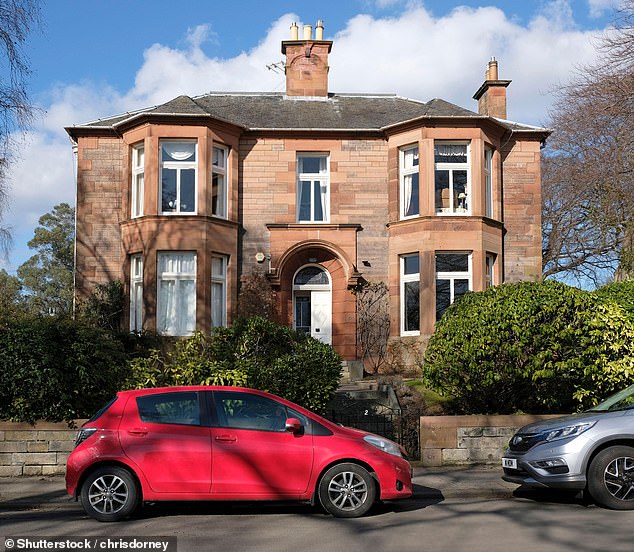
Homeowners could find themselves paying more taxes under the new plans
Pensions could be part of the wealth tax calculations
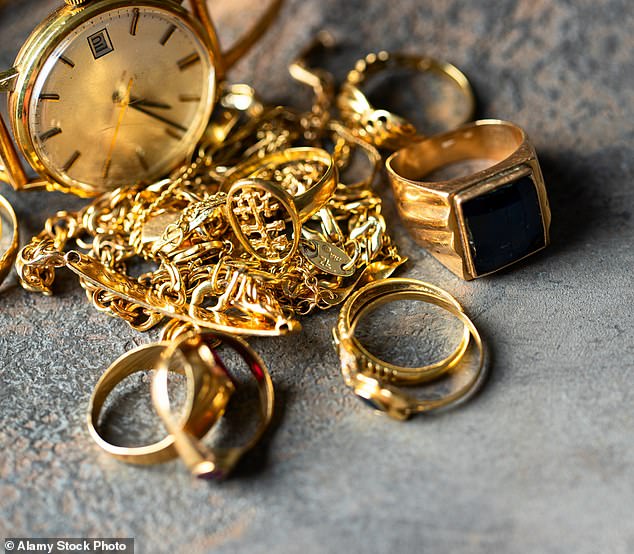
High value items like jewellery could also count towards someone's overall wealth
‘It’s not clear what a wealth tax would entail, but it would deter exactly the entrepreneurs and aspirational people essential for economic growth.’
Wealth tax was the subject of fierce debate last year when Left-wingers urged the UK Labour Government to introduce the new levy to help plug a black hole in the national finances.
Although Chancellor Rachel Reeves ruled out the move, claiming instead she would prioritise economic growth, the SNP party conference in October voted for a ‘wealth tax for Scotland’.
Now Scottish ministers are actively exploring possible options, appointing a market research company to assess ‘the opportunities, challenges, and practical considerations associated with introducing wealth taxation in Scotland’.
The private firm will examine academic research and evidence from think-tanks, and also provide ‘analysis of relevant international examples of wealth taxation’.
Under the current system in Scotland, people pay tax on money as they earn it (income tax) and also on certain assets when they are either bought (the LBTT property tax) or sold (capital gains tax).
Wealth tax is fundamentally different as it levies a charge based on the value of the assets owned by individuals, even if those assets are neither bought nor sold.
The key question for a government setting a wealth tax is just how wealthy does someone need to be before the tax is applied?
When asked last week, the Scottish Government said it was too early to discuss potential thresholds for paying wealth tax.
However, the Scottish Greens, who also back a wealth tax, have argued it should apply to anyone with assets worth more than £1 million. This would include tens of thousands of Scots if property, savings and pensions are all taken into account.
The Greens’ manifesto calls for ‘a 1 per cent annual wealth tax for millionaires’, adding: ‘This will be a tax on all wealth and assets above the £1 million threshold, including property, land, pensions and other assets.’
Mr Hoy warned it was likely that a new SNP wealth tax would hit even middle-income households.
He said: ‘The SNP’s former coalition partners, the Greens, want a new tax on total assets of more than £1 million. That sounds a lot but if it were to include people’s houses, pension pot and savings it would snare a lot more than just the super-rich.’ He said Finance Secretary Shona Robison ‘already thinks workers like nurses, teachers and police officers are among those with ‘‘the broadest shoulders’’, so any new tax is likely to hit strivers with relatively modest assets.’
In Norway, a recent increase in the level of the wealth tax is estimated to have prompted more than 30 billionaires and hundreds of other wealthy individuals to leave for Switzerland.
A campaign against the tax last year featured a song which went viral on social media and contained the lines: ‘Don’t come to Norway, we will tax you till you’re poor – and when you have nothing left, we will tax you a little more.’ In France, a wealth tax was scrapped in 2018 amid claims it raised minimal revenue because so many wealthy residents had fled.
In Scotland, Ms Robison’s Budget froze the threshold for higher, advanced and top bands of income tax, meaning 106,000 extra Scots will be dragged into paying the top three rates in 2026/27.
She also introduced a new ‘mansion tax’ on homes worth more than £1 million while announcing measures that will see the benefits bill leap 6.5 per cent to £7.2 billion.
The Scottish Government said: ‘We are exploring what further wealth taxation could look like for Scotland, understanding the opportunities and challenges this may offer our tax system, and the steps needed to progress towards this broadening of tax options.’