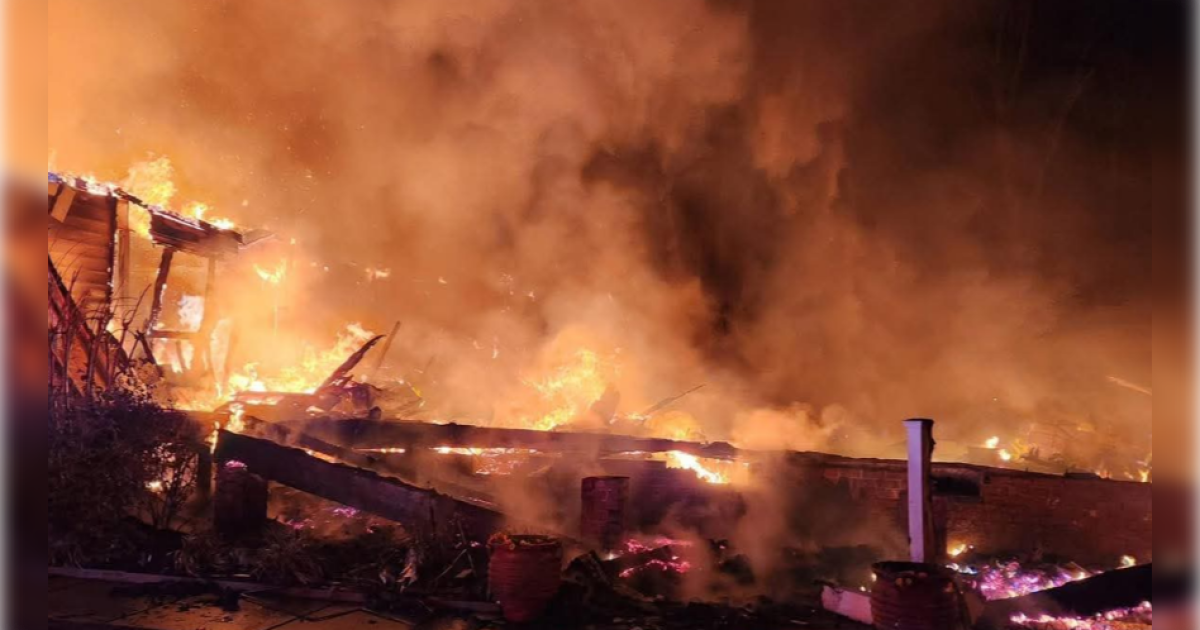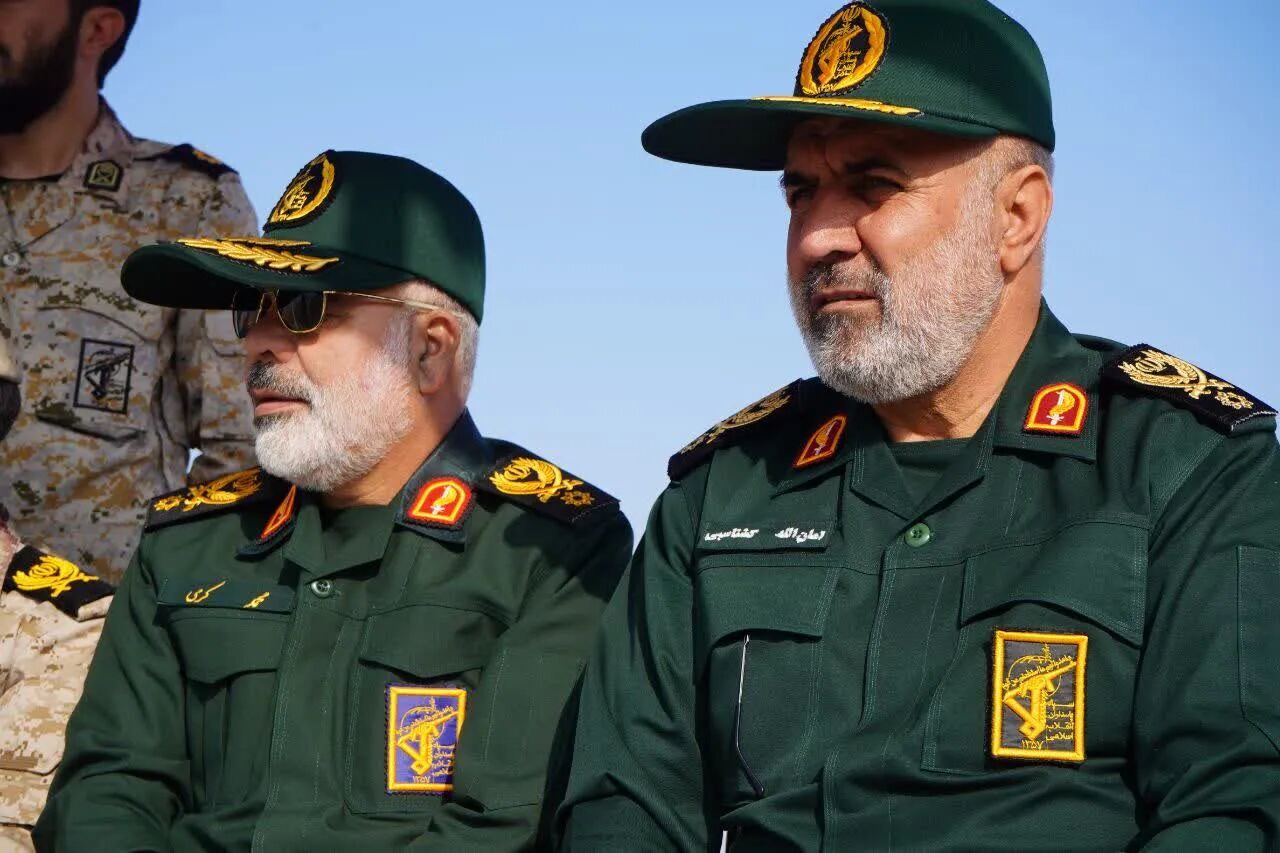
Washington has warned allies across the Middle East to prepare for renewed U.S. strikes on Iran after the November 3 midterm elections and brace for Iranian retaliation, two diplomats briefed on the warnings told the Associated Press.
President Donald Trump has not made a final decision, they said. The Wall Street Journal separately reported that Gulf Arab states were told to expect a "short, intense" campaign, with Trump leaning toward strikes on Iranian infrastructure and nuclear sites.
Iran’s conditions have been repeatedly and clearly stated to the mediators. The carrot-and-stick approach has no effect on Iran. Progress can only be achieved once Iran’s seven conditions have been agreed upon.
— محمدباقر قالیباف | MB Ghalibaf (@mb_ghalibaf) October 29, 2026
Mohsen Rezaei, secretary of Iran's Supreme National Security Council, has confirmed that Tehran delivered seven conditions to Washington but has not disclosed all of them publicly. Access to Iran's frozen assets remains a sticking point. U.S. Ambassador to the United Nations Mike Waltz has said Washington could not allow Tehran access to billions in funds.
Iranian media reported this week that Vice President JD Vance sent Rezaei a message. The White House declined to discuss "sensitive military plans that may or may not exist" and said Trump was ruling nothing out to prevent Iran from obtaining a nuclear weapon.
On Saturday, Iranian negotiators met Qatari mediators in Doha, Reuters reported. Foreign Minister Abbas Araghchi told Al Jazeera that Tehran had reviewed Vance's letter and considered the outreach a "positive step," though no meetings with U.S. officials were planned. Talks with Qatar, he said, had shortened Iran's proposed timeline for reopening the Strait of Hormuz from seven days to two.
Araghchi listed Iran's demands: lifting sanctions imposed after the Islamabad memorandum, reducing U.S. forces in the region, restoring oil waivers, releasing all frozen Iranian funds, and recognizing shipping routes Tehran had discussed with Oman.
The talks follow an unsuccessful Iranian initiative in September. During the UN General Assembly, Tehran sent Washington a plan through Qatari mediators to reopen the strait within seven days and pause regional fighting. Trump rejected the plan on September 26, calling it unacceptable.
On October 25, Qatari mediators presented a draft agreement in Tehran outlining seven days of confidence-building steps by both sides, with several countries serving as guarantors. A senior Iranian official involved in the talks told Reuters the package offered unacceptable ideas rather than a concrete proposal and said Iran would not compromise on its nuclear position.
Ebrahim Azizi, chairman of the Iranian parliament's National Security and Foreign Policy Committee, told Iran's Al-Alam network that Tehran was reviewing the proposals but that any agreement required Washington to honor its earlier commitments first, IRNA reported. He reiterated that Iran's missile and nuclear programs were not negotiable.
Addressing the Gas Exporting Countries Forum in Moscow on October 27, Iranian President Masoud Pezeshkian blamed U.S. military action in the Gulf for disrupting energy markets and shipping, saying the economic damage extended far beyond the region. He also met Russian President Vladimir Putin and Qatar's emir, Sheikh Tamim bin Hamad Al Thani, on the sidelines.
The next day, Rosatom chief Alexey Likhachev said the Russian state nuclear company would send 508 more specialists to Iran's Bushehr power plant, bringing its workforce there to 700. Rosatom had withdrawn most of its Russian staff after the war began in February. By mid-October, 135 employees had returned, with plans at that point to increase the contingent to 200.
Meanwhile, U.S. Central Command commander Adm. Brad Cooper flew over the Strait of Hormuz on October 25 as CENTCOM announced that Gulf crude exports moved with U.S. assistance since summer had exceeded 1.5 billion barrels.
🚫 CLAIM: Over recent days and weeks, Iranian-controlled media have reported Iranian claims that commercial vessels are hitting sea mines while transiting the Strait of Hormuz. These claims are FALSE.
— U.S. Central Command (@CENTCOM) October 28, 2026
✅ FACT: All internationally recognized primary transit routes through the… pic.twitter.com/SPobSv6ZTf
Reuters and UK Maritime Trade Operations confirmed one attack involving limpet mines. Explosives placed on a tanker's hull by a small boat ignited a fire in its engine room. Oman reported evacuating 25 crew members from a tanker attacked off Musandam.
On Thursday, the IRGC Navy claimed its electronic warfare unit seized control of a U.S. MQM-170 drone west of the strait and landed it intact. CENTCOM spokesman Capt. Tim Hawkins denied the claim, saying the IRGC "has repeatedly lied out of desperation." IRNA noted in the same report that the Griffon Aerospace MQM-170 Outlaw is a target drone designed for air defense training.
The claim echoed a September incident in which the IRGC said it had captured an advanced U.S. underwater drone. The U.S. military said the vehicle had malfunctioned.
With Americans voting on Tuesday and U.S. forces preparing strike options, Trump faces a decision on how to respond to Tehran's terms and whether to resume the war.
Source link