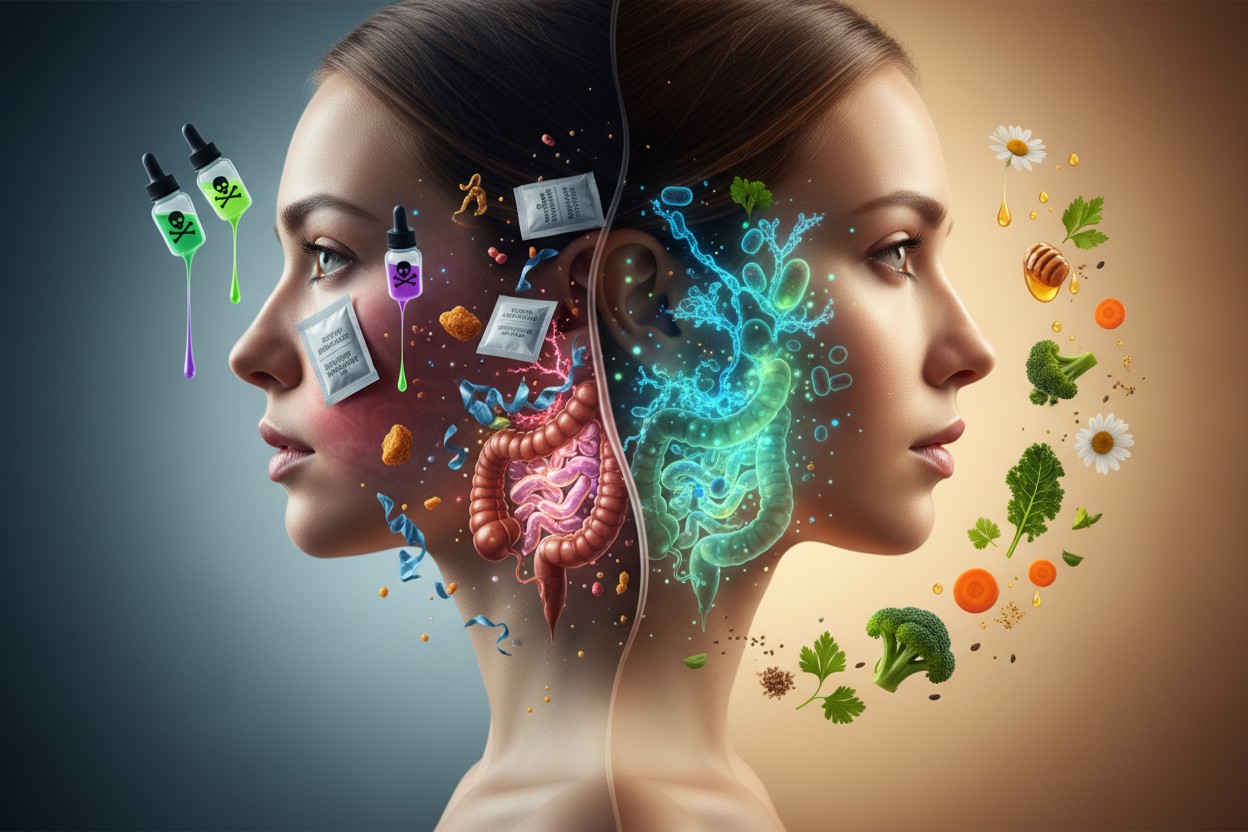
Researchers said the findings raise questions about consumer exposure to these compounds from a common beverage preparation method. The study examined several commercial plastic tea bag products and compared them with bulk tea, according to the report [1].
According to the authors, the concentrations of BPA and plasticizers varied by product and brewing conditions.
Study Details
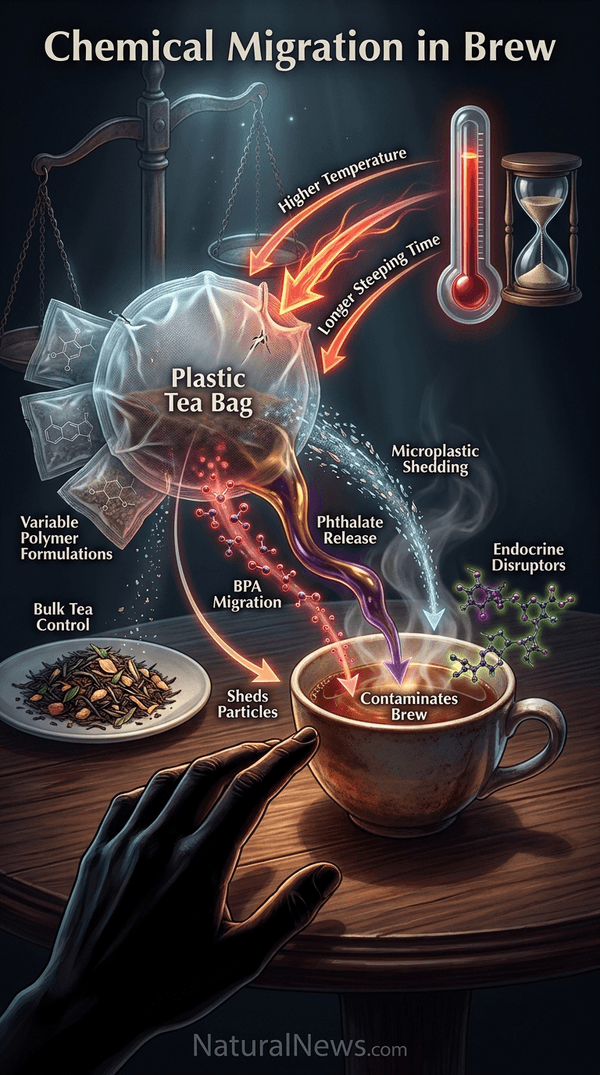
Researchers steeped plastic tea bags in water at typical brewing temperatures and then analyzed the water for chemical migration, the study stated. The analysis detected BPA and phthalate plasticizers in the brewed water, according to the report [2].
The study said release levels increased with higher water temperature and longer steeping time. Control samples without tea bags were used for comparison, and the authors reported that some detected compounds were above background levels.
The study also found that plastic tea bags released significantly more microplastic particles than bulk tea, with the plastic bags shedding up to 2,498 particles per cup while bulk tea released only a fraction of that amount, according to the report [1].
Health and Regulatory Context
BPA and certain phthalates are classified as endocrine-disrupting chemicals in some jurisdictions, according to public health agencies.
The report noted that tea bag manufacturers are not required to disclose plastic additives used in their products. Consumer groups have previously raised concerns about plastic food-contact materials, according to statements from those organizations [3].
A spokesperson for a tea industry trade group said plastic tea bags are manufactured to comply with food-contact safety regulations, according to a statement provided to reporters. The spokesperson said manufacturers follow applicable rules and that the industry continues to review new research, according to the statement.
Industry and Regulatory Response
The U.S. Food and Drug Administration and the European Food Safety Authority have published guidance on BPA and phthalate exposure limits, according to agency documents. Some retailers have phased out BPA from certain food-contact products, according to company announcements.
No regulatory changes specifically targeting plastic tea bags were announced following the study's release, according to officials.
The authors stated that further studies should examine whether switching to non-plastic tea bags reduces exposure, according to the report. No immediate safety alert or product recall was issued in connection with the study, according to regulators [1].
Conclusion
The study adds to an ongoing discussion about chemical migration from plastic food-contact materials, according to the authors.
The authors stated that further studies should examine whether switching to non-plastic tea bags reduces exposure, according to the report. No immediate safety alert or product recall was issued in connection with the study, according to regulators [1].
References
- Plastic Tea Bags Shed Thousands of Microplastic Particles Into Every .... https://bioengineer.org/plastic-tea-bags-shed-thousands-of-microplastic-particles-into-every-cup-study-finds/
- Microplastic release from plastic tea bags versus bulk tea and ... - Nature. https://www.nature.com/articles/s41538-026-01175-x.pdf
- Plastic Free Tea Bags: Which Brands are Microplastic Free in 2026. https://www.implasticfree.com/why-you-should-switch-to-plastic-free-tea-bags/
Explainer Infographic
Source link