As President Trump weighs whether to launch military strikes against Iran, the nation’s top military officer has cautioned that such action could carry significant risks, including the possibility of drawing the United States into a prolonged and costly conflict, according to multiple officials familiar with internal deliberations.
Gen. Dan Caine, the chairman of the Joint Chiefs of Staff and Trump’s principal military adviser, allegedly told the president and senior national security officials that even a limited campaign could escalate in unpredictable ways, two people with knowledge of the discussions said to Axios. At issue is not only whether American forces could achieve tactical success, but what would follow once hostilities begin.
Senior officials within the Trump administration are locked in discussions about how to approach the Iran standoff, weighing the possible fallout of every option on the table, one source told the outlet.
The president has publicly given Tehran roughly 10 to 15 days to agree to new terms governing its nuclear program, warning that failure to do so could bring “really bad things.” The United States has bolstered its military posture in the Middle East in recent weeks, deploying aircraft carriers and other assets to signal readiness.
Behind closed doors, however, some of Trump’s closest advisers have urged caution. Jared Kushner and Steve Witkoff, two of the president’s envoys, are planning to meet Iran’s foreign minister in Geneva on Thursday and have pressed Trump to give diplomacy more time. According to one source briefed on the discussions, Trump has been leaning toward a strike but agreed to allow negotiations to continue to ensure that all avenues are “exhausted.”
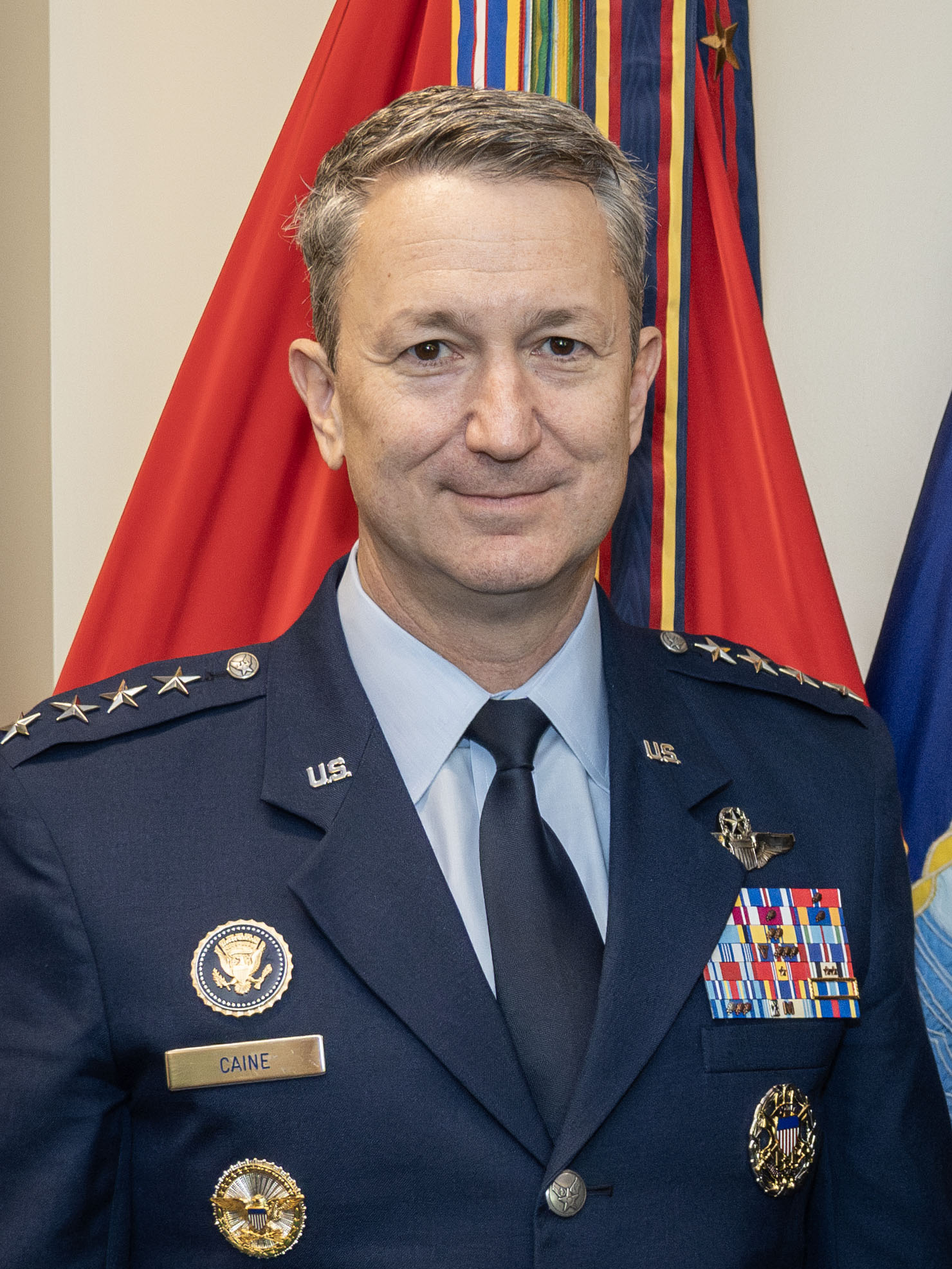
Chairman of the Joint Chiefs of Staff General Dan Caine at the Pentagon, USA on April 17, 2025
The internal divisions reflect competing assessments of risk and leverage. Some officials argue that time favors Washington, increasing pressure on Tehran. Others fear that delaying action could weaken momentum and lead to a deal that falls short of the president’s stated red lines.
General Caine’s views carry particular weight. He has been the only military leader briefing Trump in recent weeks on Iran, an unusual arrangement that has sidelined Adm. Brad Cooper, the commander of U.S. Central Command, who has not spoken to the president since the crisis began in early January, according to a senior administration official.
While Caine strongly supported prior operations in Venezuela, two people familiar with his thinking said he has been more cautious in discussions about Iran. One described him as a “reluctant warrior” on the issue, citing concerns about the scale of potential retaliation and the risk of American casualties. Another said the chairman is not opposed to military action but is “clear-eyed and realistic” about the uncertainties of success and what could follow once war begins. A senior official denied that Caine had expressed skepticism.
Vice President Vance has also raised questions about the complexity of a potential operation, though aides say he is not outright opposed to a strike. Secretary of State Marco Rubio has been “sitting on the fence,” according to two officials, focusing much of his recent attention on Venezuela and Cuba.
Outside the administration, some allies are pressing Trump to act. Senator Lindsey Graham has urged the president to move forward with military action, arguing that delay risks a weak agreement. Israeli Prime Minister Benjamin Netanyahu has similarly signaled concern that Washington could ultimately stand down.
Yet even advocates of force concede that no decision has been made. “The decision to strike, when and how or if at all, has not been made,” a senior administration official said. For now, the question confronting the president is not only whether to use force, but what kind of conflict might follow if he does.