Ossian Smyth, the former minister behind the Deposit Return Scheme, said the 15-25% deposit could be reduced to prevent Re-turn's profits from climbing, the Mail has learned.
The ex-Green Party TD made the comments in an interview in July 2024, six months after the scheme was introduced.
However, he said changes to deposit rates would need to depend on its popularity.
It comes after the Mail revealed this week that the not-for-profit group behind the initiative intends to generate €330million in income from unclaimed deposits by the end of 2031.
Confidential seven-year projections from the operator, Re-turn, and audited accounts show the firm is forecasting €121million in cumulative after-tax profits by the same year.
The figures sparked calls from Leinster House yesterday for the Deposit Return Scheme (DRS) to be reformed and the amount consumers pay to be reduced.
The DRS began in February 2024 and requires consumers to pay a refundable deposit of 15c or 25c when buying eligible bottles and cans, which they reclaim by returning the empty containers.
Mr Smyth floated the proposal that deposits could be cut if 'the scheme was making too much money'. Asked in an interview in July 2024 if he would reduce the deposit amount, he said: 'I could do. If I thought the scheme was making too much money, I could turn it down.
'And if I thought it wasn't attractive enough to the public, I could increase it. But I really don't think we're going to have to. I'm looking at other countries – other countries have 10c. I think the US, it's 5c on a can, and so on. It is not about the money.'
The initiative has received significant backlash for the cash pile it has generated in unreturned deposits, placing a significant burden on small drinks producers, and costs to small retailers.
Figures given by Re-turn to the Department of Climate, Energy and the Environment in May, as part of a proposal to build a new recycling plant, show the firm expects the return rate to rise from 80% this year to 90% by 2030.
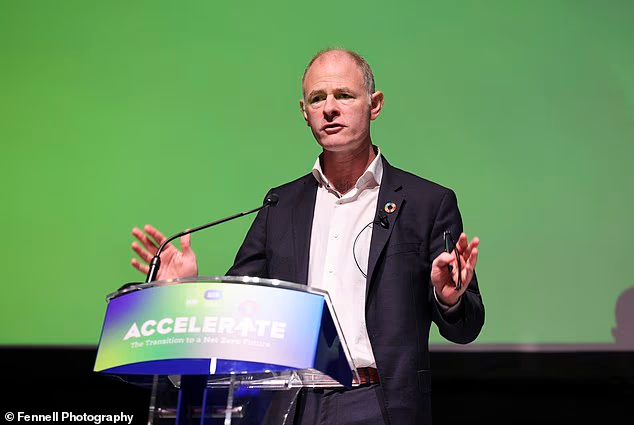
Former Green Party TD Ossian Smyth was the minister behind the Deposit Return Scheme
The figures show income from unredeemed deposits was €61.163 million in 2025, with a return rate of 77%. The rate is projected to rise to 80% this year, leaving €48.8million in revenue from unreturned deposits.
Fine Gael TD John Clendennon said it is 'unacceptable' the company would hold onto the funds, while his party colleague James Geoghegan TD called for money to be re-invested into communities.
Aontú TD Peadar Tóibín called for the deposit to be reduced for consumers. He noted Mr Smyth – 'responsible for this whole shambles' – previously suggested this could be done.
A spokeswoman for the Department of Climate, Energy and the Environment has said that while Re-turn is 'responsible for the operational and financial management' of the scheme, department officials 'closely monitor its performance'.
A Re-turn spokesman said unredeemed deposits are used to cover the cost of running the scheme.
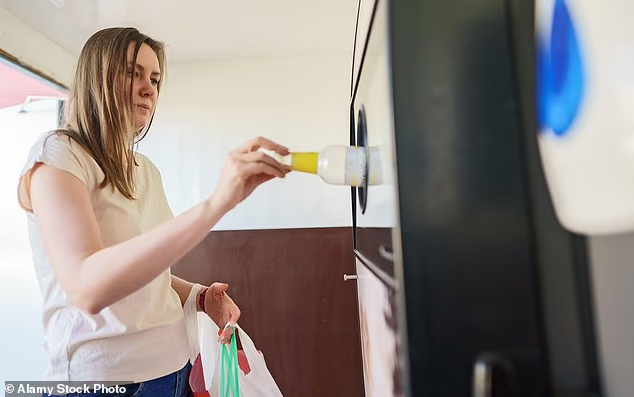
People can reclaim deposit money by bringing their bottles and cans to recycling machines
Mr Smyth told the Mail: 'The Deposit Return Scheme has been running for nearly three years. Billions of bottles and cans have been returned but it's time for an update and there are three things that need to happen.'
He said he would like to see supermarkets accept bottles manually when machines have broken down and the installation of bulk deposit machines at recycling centres. He said local councils should have the power to fine rogue restaurants or takeaways found to be using imported cans, which would be rejected by the machines.
Source link