An investigation is underway after 14 workers were hospitalised following suspected exposure to hydrogen sulphide at one of NSW's biggest power stations.
Access to the Bayswater Power Station at Muswellbrook in the Hunter Valley remains limited to essential workers with strict control measures in place.
Local media reported last week that seven workers were assessed by paramedics after being exposed to a strong odour at the site on October 24, with four being hospitalised.
Energy supply operator AGL confirmed to Daily Mail on Wednesday that 14 workers had now been hospitalised. All have since been medically cleared and released.
A spokesman added that the exact source of exposure had yet to be confirmed and the output of the power station has not been impacted.
'The safety, health and well being of our people is our highest priority,' he said.
SafeWork NSW has launched an investigation and is engaging with AGL on a daily basis.
NSW Work Health and Safety Minister Sophie Cotsis told 2GB that she was receiving regular briefings from the SafeWork NSW Commissioner about the situation.
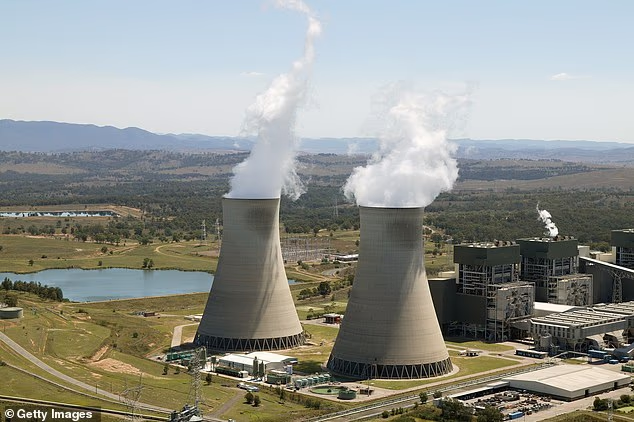
Fourteen workers at the Bayswater Power Station (pictured) were recently hospitalised due to suspected hydrogen sulphide exposure
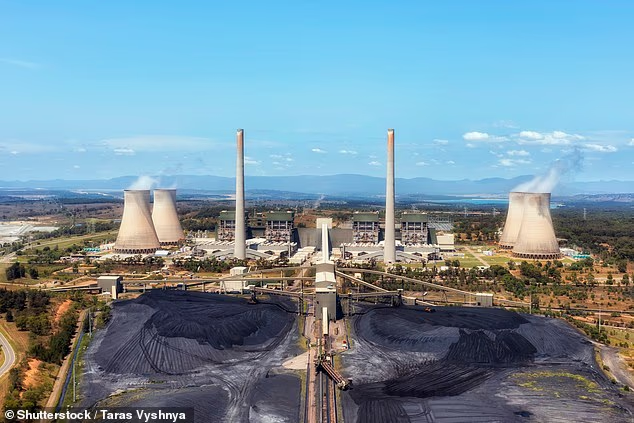
The plant in Muswellbrook in the NSW Hunter Valley is scheduled to close down in 2033
Daily Mail has contacted SafeWork NSW for further comment.
Opened in 1985, Bayswater is a coal-fired power station with a capacity of 2,715 megawatts.
The site is scheduled to close down by the end of 2033 as part of AGL's Climate Transition Action Plan.
Hydrogen sulphide is a toxic, flammable, colourless gas that smells like rotten eggs.
Exposure can cause headaches, dizziness, nausea, blurred vision and irritation of the eyes and respiratory system. Higher concentrations can also impair a person's ability to smell the gas.
Breathing in high levels can quickly result in loss of consciousness and death within minutes.
Do you know more? Email
Source link