A poll published on Wednesday by the Venezuelan firm Meganálisis found that a majority of the nation's citizens are "confused" and "concerned" over President Donald Trump's support of the socialist regime led by Delcy Rodríguez.
Meganálisis's latest study is the first published by the firm since the devastating double earthquake that struck Venezuela on June 24. According to the most recent update disclosed by the Venezuelan socialist regime, the earthquakes left 6,125 dead and nearly 61,000 injured. Meganálisis explained that the survey was conducted between July 18 and 28 and has a margin of error of 2.84 percent.
WATCH — U.S. Rescue Workers Pull Crying Infant from Venezuelan Earthquake Rubble:
The Venezuelan firm asked participants in a multiple-choice question how they feel about the support that the Trump administration continues to give to top members of the Venezuelan regime, such as "acting President" Delcy Rodríguez. Between 69.9 and 77.5 percent of respondents answered that they felt "confused," "disappointed," and "outraged."
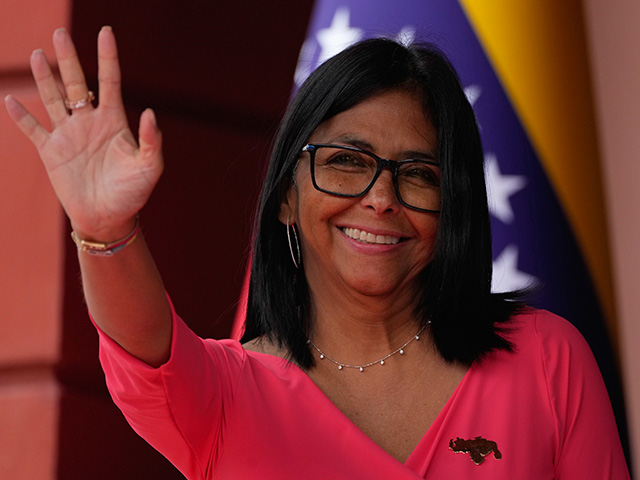
Venezuela's acting President Delcy Rodriguez waves as she waits for Colombian President Gustavo Petro at Miraflores Palace in Caracas, Venezuela, Friday, April 24, 2026. (AP Photo/Ariana Cubillos)
Meganálisis affirmed in the study that President Trump's rapprochement with Rodríguez in the aftermath of the January 3 arrest of dictator Nicolás Maduro has led to what the firm described as a "severe crisis of credibility," with 57.7 percent of respondents expressing that they found themselves unsure on the Trump's administration's objectives in Venezuela.
"In the wake of the earthquakes on June 24, 2026, the emotional state of the citizenry is structurally characterized by outrage, helplessness, and sadness," Meganálisis observed.
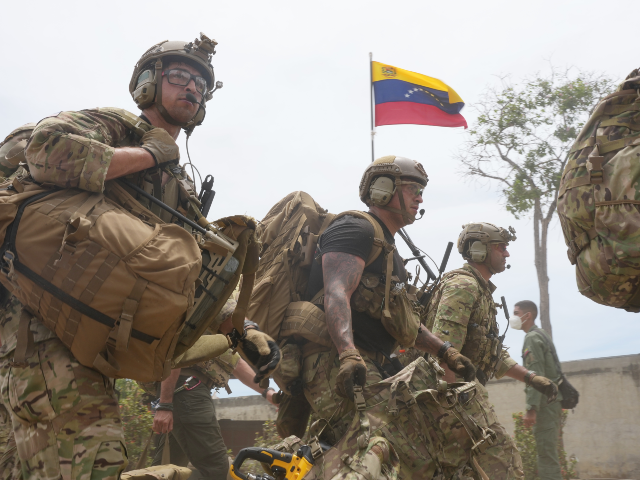
U.S. troops arrive to assist with earthquake relief efforts in La Guaira, Venezuela, Sunday, June 28, 2026. (AP Photo/Matias Delacroix)
"This impact affects multiple dimensions of the national reality across the board, representing a priority challenge for coping, whose collective trauma demands a comprehensive and multisectoral approach," the firm continued.
Between 70.5 and 80.2 percent said they were feeling "indignation," "helplessness," and "sadness" after the June 24 earthquakes. An overwhelming 98.4 percent of respondents found the death toll to be the most painful element of the tragedy, followed by the suffering of family members, the bodies lost in the rubble, the children who were left orphaned, and the mothers who lost their children.
1/14
— Encuestadora Meganalisis (@Meganalisis) August 5, 2026
MEGANALISIS
ENCUESTA VERDAD VENEZUELA
Del 18 al 28 de Julio 2026
HILO CONTUNDENTE
Descarga el informe público .pdf (en español e inglés), en nuestro sitio web y en nuestro canal Telegram.
Web site https://t.co/IBMJkvPLki
Canal Telegram https://t.co/6BfaRQL9uR pic.twitter.com/kh1Mwoj7OJ
The study found that roughly nine in ten Venezuelans condemn or mistrust the Venezuelan regime's handling of the earthquake disaster. Meganálisis pointed out that its study identified "ethical failings in crisis management" to be the main trigger of discontent among Venezuelans. Roughly eight in ten respondents expressed that so many deaths could have been prevented and that the Venezuelan regime is not helping victims.
Per the study, 95.4 percent of respondents feel outrage by what happened after the earthquakes. Meganálisis explains that the indicator is driven primarily by "operational shortcomings and the government's delayed response" to the June 24 earthquakes, coupled with the "unacceptable behavior displayed by the relevant authorities."
The socialist regime's response to the natural disaster has been met with overwhelming negative reception among Venezuelans. As many as 91.6 of respondents found the regime's response to the crisis to be "very poor" or "poor." 95.9 percent said that Delcy Rodríguez and the Venezuelan socialist regime "could have done more" in the immediate hours and days following the June 24 natural tragedy.
An 86.2-percent majority of the respondents said they got their information about what happened with the earthquakes from social media and 67.3 percent saying that they got "a lot" of the information from there. Conversely, a staggering 93 of respondents said they received little to very little earthquakes-related information from the Venezuelan regime. In that same line, 94.1 percent of respondents said that they do not trust the official information received from the regime.
"For the public, official communications have ceased to serve as a source of technical information and have instead become a vehicle for state-sponsored disinformation," Meganálisis wrote in the study.
6/14
— Encuestadora Meganalisis (@Meganalisis) August 5, 2026
MEGANALISIS
ENCUESTA VERDAD VENEZUELA
Del 18 al 28 de Julio 2026
QUIEBRE ABSOLUTO DE CONFIANZA A LA OFICIALIDAD
El 94.1% desestima la vocería e información oficial, percibiéndola como un vector de desinformación, y manipulación de la realidad. pic.twitter.com/ehIYJVGV5P
Standing in complete contrast of Venezuelans' mistrust of the nation's socialist regime, between 80 and 90 percent of respondents expressed admiration over the solidarity, support, and generosity that Venezuelans have received from their fellow countrymen and from other countries in the wake of the deadly natural disaster.
"Of particular note is the civic spirit of the Venezuelan people, reflected in their solidarity, generosity, and capacity for self-organization, working in synergy with the support and generosity of the international community," Meganálisis wrote.
Asked what the most outrageous things participants discovered in the aftermath of the earthquakes were, 98.3 percent said the theft and looting by the Venezuelan military and police in the rubble of collapsed buildings. 97.4 percent also pointed to the regime's obstruction of aid for Venezuelans. Another 97.1 said the military and police "searching for money and safes belonging to Chavistas." Similarly, 96.9 percent pointed to the regime's obstruction of the arrival of foreign rescue workers.
Christian K. Caruzo is a Venezuelan writer and documents life under socialism. You can follow him on Twitter here.
Source link