A Mexican federal judge accused of taking a $2 million bribe to free a major cocaine trafficker has been arrested in Colombia and now faces nine federal charges in the United States.
Luis Benítez Alcántara, 49, allegedly used his courtroom power to help Andrew Clark, the accused second-in-command of former Olympic snowboarder Ryan Wedding's international drug organization.
Federal prosecutors say the payment and the ruling happened on the same day.
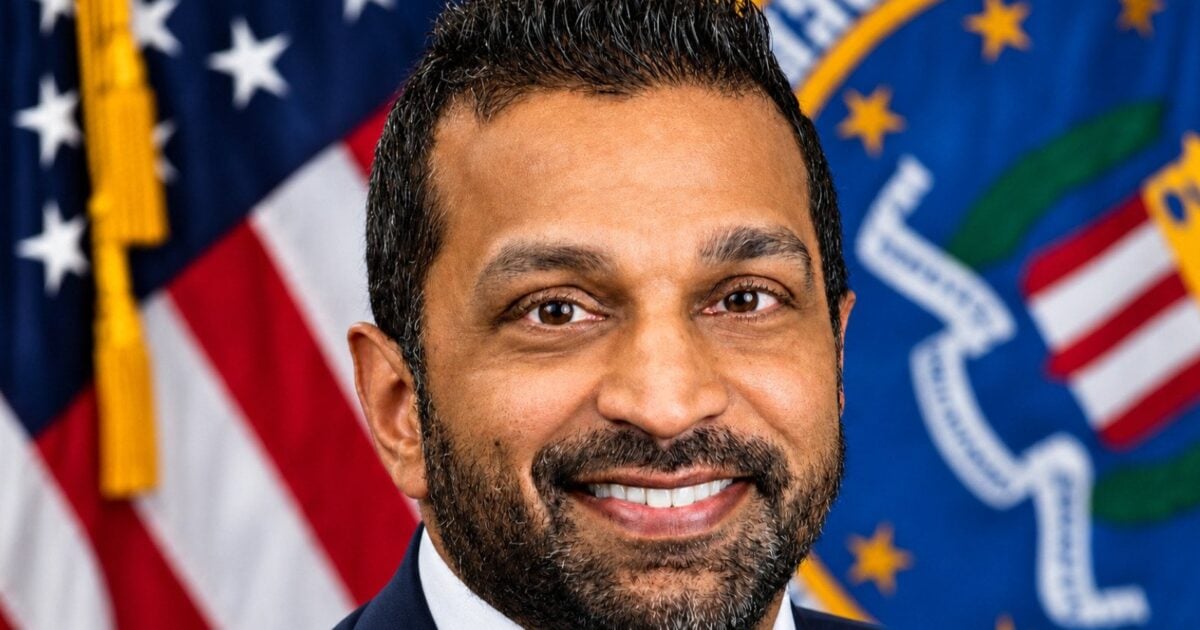
FBI Director Kash Patel announced the arrest and credited American and international law-enforcement teams for closing in on the accused judge.
The FBI and our partners have arrested Luis Benítez Alcántara, a Mexican judge who allegedly accepted bribes and used his position to aid former FBI Ten Most Wanted Fugitive Ryan Wedding and his associates.
— FBI Director Kash Patel (@FBIDirectorKash) November 5, 2026
Benítez Alcántara was a district judge in Mexico City who allegedly…
The Justice Department says Benítez oversaw Clark's extradition proceedings after the Canadian national was arrested in Guadalajara in October 2024. The United States formally requested Clark's extradition the following month, placing the judge in direct control of a critical stage of the case.
Instead of moving steadily toward extradition, prosecutors allege that Clark began arranging a massive payoff.
According to the federal case, Clark transferred roughly $2.75 million through intermediaries in smaller amounts between November 2024 and February 2025. He allegedly negotiated a separate agreement to pay Benítez about $2 million in exchange for an order setting him free.
On February 24, 2025, prosecutors say the judge received the full $2 million. That same day, he granted Clark bond and ordered his release.
Mexican authorities arrested Clark again only days later and sent him to the United States, where his criminal case remains pending.
The department says Colombian police and international partners later helped locate Benítez, placing an accused judicial insider inside the same enforcement net already closing around the trafficking organization.
Attorney General Todd Blanche made clear that a foreign official's title will not shield him when prosecutors believe he helped a criminal organization operating against the United States.
A Mexican federal judge has been arrested on a nine-count federal indictment charging him with accepting a million bribe to free a Canadian drug trafficker who was the second-in-command to former Olympic snowboarder Ryan Wedding—who is in federal custody on charges of leading… pic.twitter.com/sdLWXH2goI
— Attorney General Todd Blanche (@AGToddBlanche) November 5, 2026
The alleged organization behind the bribe was no ordinary smuggling crew.
Federal officials describe Wedding as the leader of a billion-dollar transnational criminal enterprise and one of the largest cocaine suppliers to Canada, with connections across Colombia, Mexico and the United States.
Wedding represented Canada as a snowboarder in the 2002 Winter Olympics. Prosecutors now accuse him of running a violent trafficking organization protected by cartel connections and tied to murder and attempted murder.
He was once listed among the FBI's Ten Most Wanted fugitives. Authorities apprehended him in Mexico in January, and he remains in federal custody awaiting two trials scheduled for 2027.
Benítez was arrested while traveling in Colombia, and the United States plans to seek his extradition. Clark faces drug-trafficking and murder charges, while dozens of people have been arrested in the broader investigation.
Investigators have seized drugs, weapons, cash, luxury vehicles, motorcycles, artwork and jewelry as they dismantled pieces of the alleged network.
The public federal indictment charges Benítez as an accessory after the fact in nine separate counts. Each count corresponds to an underlying allegation against Clark, including cocaine conspiracies, a continuing criminal enterprise, murder and attempted murder, showing the extraordinary stakes behind the alleged release scheme.
Each count carries a maximum possible sentence of 15 years if Benítez is convicted. Charging documents are allegations, and every defendant is presumed innocent unless proven guilty in court.
The indictment also identifies the underlying federal cases and places the alleged payoff inside the effort to stop Clark's apprehension, trial and punishment in the United States.
The Justice Department's Homeland Security Task Force publicly tied the arrest to its international campaign against transnational criminal organizations.
🚨 @HSTaskForce Investigation Leads to Mexican Federal Judge’s Arrest on U.S. Charges of Accepting Million Bribe to Free Canadian Drug Trafficker Charged with Ryan Wedding
— U.S. Department of Justice (@TheJusticeDept) November 5, 2026
Read more: https://t.co/aerK4yvCvp https://t.co/cmQZEuICHS
This case exposes how far a drug organization can reach when its leaders have money, international connections and allegedly corrupt officials willing to sell their authority.
A judge is supposed to stand between criminal power and the public. Prosecutors say this one took millions to open the jailhouse door.
Clark was quickly recaptured. The alleged payoff is now part of a federal indictment.
The man accused of accepting it is waiting in Colombia for the next step toward an American courtroom.
Source link