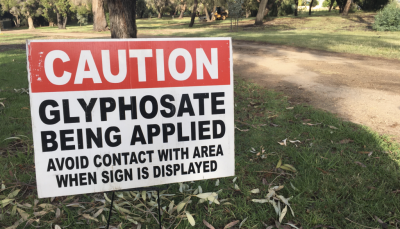
The public has become acutely aware of glyphosate, an environmental toxin activists have been warning us about for years. As of early 2026, zero U.S. states have enacted a full statewide ban on glyphosate, but a small number of states have adopted limited statewide restrictions, mainly applying only to certain public lands or government uses. Globally, only Viet Nam has a full ban in place. Alter AI was on the assist for this review.
Longstanding Concerns Over Glyphosate Exposure
Introduction
Glyphosate, the active ingredient in Roundup, has become one of the most controversial chemicals in modern agriculture. Marketed since the 1970s by Monsanto, later acquired by Bayer AG, glyphosate’s widespread use transformed global food production — and, many argue, public health. Touted as “safe enough to drink,” the reality is far darker. Mounting epidemiological evidence links glyphosate exposure to non-Hodgkin lymphoma (NHL) in farm workers and general populations living near sprayed areas. Despite hundreds of studies suggesting toxicity, regulatory agencies long failed to act decisively. Corporate influence, selective publication, and data manipulation have obscured key health risks for decades.
In recent years, a series of billion-dollar legal settlements between Bayer (the manufacturer of Roundup) and victims diagnosed with lymphoma have forced the world to confront the deadly cost of herbicide dependency. Yet simultaneously, political and industrial forces continue to defend and even promote glyphosate’s ongoing use — culminating in an executive order under President Trump to ensure the chemical’s protection from regulatory bans.
Glyphosate’s Ubiquity and Mechanism of Toxicity
Glyphosate’s pervasiveness is unparalleled: it is found in air, rainwater, soil, rivers, and human urine. Used as a desiccant on crops and for weed control in both industrial and residential settings, exposure comes through ingestion, inhalation, and dermal contact. Independent research has consistently shown glyphosate residues in food — especially oats, soy, and corn products — at levels regulators claim are “safe,” though those limits were adjusted upward several times under industry lobbying pressure.
Mechanistically, glyphosate acts by inhibiting the shikimate pathway in plants, a pathway absent in humans. This was used for decades as an argument for its safety. However, scientists have demonstrated that disruption of the microbial shikimate pathway in the human gut microbiome causes indirect endocrine disruption, DNA damage, and immunosuppression — conditions conducive to carcinogenesis. Animal studies have shown liver and kidney toxicity, oxidative stress, and tumor formation.
The Epidemiological Association with Lymphoma
The connection between glyphosate and lymphoma was first suspected in the 1990s, when cluster studies observed elevated NHL rates among farmers in the Midwest. The International Agency for Research on Cancer (IARC), a branch of the World Health Organization, classified glyphosate as a “probable human carcinogen” (Group 2A) in 2015. That classification was based on “limited evidence” in humans but “sufficient evidence” in animal models, including strong mechanistic evidence of genotoxicity and oxidative damage.
Subsequent meta-analyses from independent researchers have shown that frequent glyphosate exposure significantly increases the relative risk of non-Hodgkin lymphoma, particularly subtypes such as large B-cell and follicular lymphoma. Some studies attribute up to a 40% higher risk among those with direct occupational exposure. Meanwhile, corporate-sponsored studies deliberately minimized exposure windows, used inappropriate controls, or classified early symptoms as “unrelated,” skewing results in favor of safety.
Bayer’s Legal Reckoning and the Historic Settlement
The tide turned with lawsuits brought by victims — many lifelong landscapers and farm workers — who developed NHL after years of Roundup exposure. The most high-profile early cases (such as Johnson v. Monsanto Co. in 2018) exposed devastating internal memos revealing how Monsanto ghostwrote studies, pressured regulators, and undermined critical research. Jurors were presented with evidence showing company scientists discussing “manipulation of scientific literature” and “reassuring ghostwritten papers.”
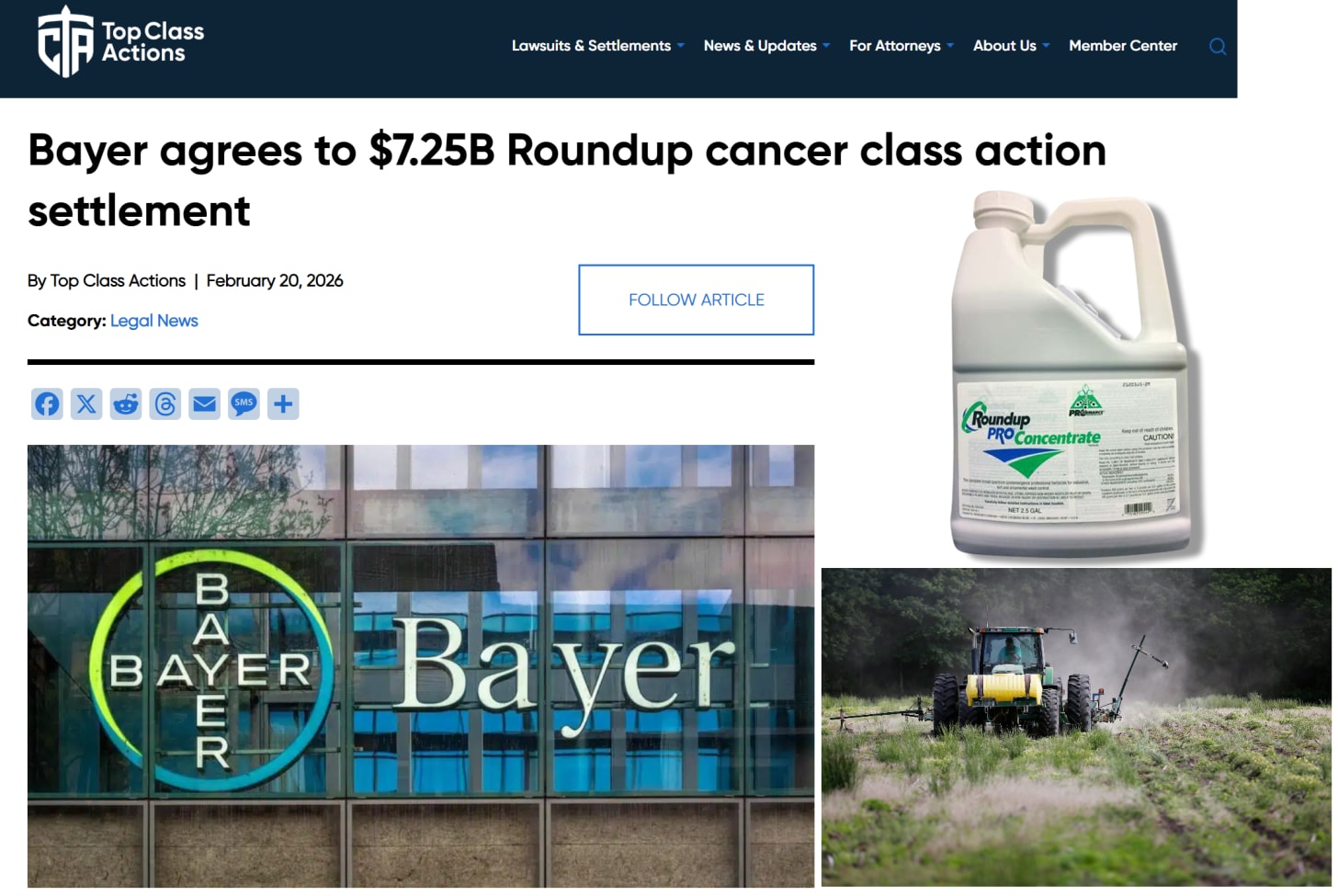
By 2020, Bayer faced over 100,000 lawsuits in the United States alone. In 2023, the company agreed to pay a $10.9 billion global settlement to resolve the bulk of these claims, one of the largest product liability settlements in history. On February 20, 2026, Bayer AG subsidiary Monsanto agreed to pay up to $7.25 billion over as many as 21 years to resolve claims that exposure to Roundup-induced non-Hodgkin’s lymphoma. The long-term settlement program would cover both current plaintiffs and future claimants diagnosed before or within 16 years of final court approval. Payments would be made annually and are subject to caps and declining funding levels over time. The agreement requires court approval before it can take effect. The proposed class action settlement is part of a broader legal strategy tied to the U.S. Supreme Court’s pending review of Durnell v. Monsanto, a case that could determine whether state-law failure-to-warn claims are preempted by federal pesticide labeling rules.
.
.
Despite the settlements, Bayer refuses to remove glyphosate-based herbicides from the U.S. consumer market. The company merely reformulated Roundup for homeowners but left the same glyphosate formulations in agricultural use — a distinction largely meaningless to farm laborers still directly exposed.
Political Protections and Trump’s Executive Order
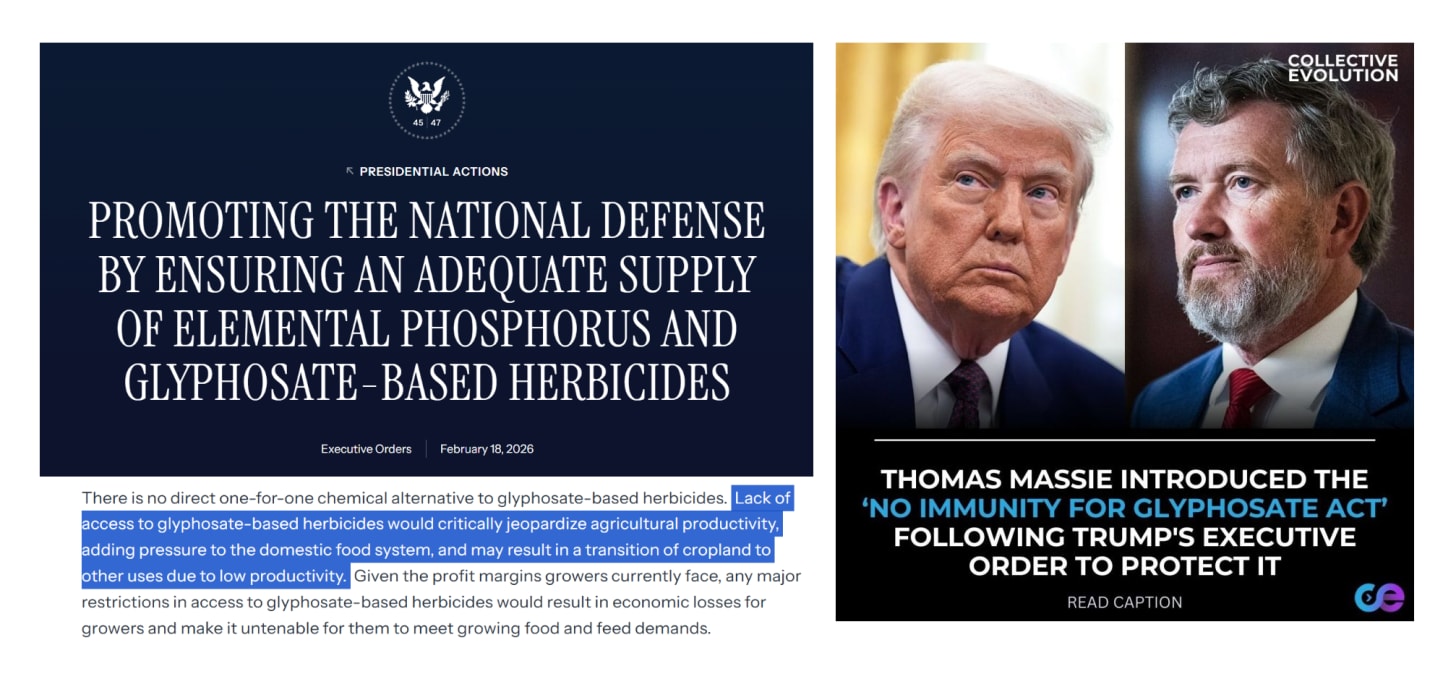
In a controversial move reflecting the deep politicization of modern agriculture, President Donald Trump in early 2026 issued an executive order aimed at “protecting American agriculture from regulatory overreach.” The order explicitly shielded glyphosate from new federal restrictions and directed the Environmental Protection Agency (EPA) to “prioritize food production efficiency over ideologically driven regulatory stifling.” The administration argued that banning glyphosate would devastate farmers already struggling with foreign competition.
Critics contend the order was a thinly veiled handout to agribusiness interests. It sidestepped growing international momentum to curtail glyphosate — momentum that led the European Union to consider a phase-out by 2033 and numerous countries to ban its use near schools and residential zones. Trump’s move exemplifies the recurring theme in U.S. environmental policy: corporate profit over public health. This move was immediately opposed by congressman Thomas Massie with the “No Immunity for Glyphosate Act.” Massie lives on a rural homestead in Kentucky and farms the land himself, growing produce such as peaches and apples and managing agricultural operations on his property.
.
.
Conclusion: Lessons in Transparency and Accountability
The glyphosate-lymphoma saga is more than a legal or scientific controversy; it is a case study in institutional betrayal. For half a century, the public was told glyphosate was safe. Independent scientists who challenged that claim were defunded or defamed. Regulators failed in their duty to protect the public, deferring instead to the industries they were meant to regulate.
The series of multibillion-dollar settlements represents temporary justice for victims but does not address the underlying systemic problem — a regulatory structure captured by corporate interests that obscure the cumulative and synergistic effects of agricultural chemicals. Moreover, executive protection of hazardous substances under the guise of “national interest” only perpetuates environmental contamination and public disease.
Real reform demands transparency in toxicological data, exposure monitoring, and funding sources. It requires genuinely independent science, not industry puppetry. Whether glyphosate’s defenders admit it or not, the evidence — both scientific and moral — indicts a system that traded human health for chemical convenience. Unless accountability replaces collusion, the cycle of poisoning and denial will continue into future generations.
*
Click the share button below to email/forward this article. Follow us on Instagram and X and subscribe to our Telegram Channel. Feel free to repost Global Research articles with proper attribution.
Peter A. McCullough, MD, MPH, President, McCullough Foundation
Sources
International Agency for Research on Cancer. Glyphosate Monograph, Volume 112.Lyon, France.
Zhang, L. et al. (2019). “Exposure to Glyphosate-Based Herbicides and Risk for Non-Hodgkin Lymphoma: A Meta-Analysis and Supporting Evidence.” Mutation Research/Reviews in Mutation Research, 781: 186–206.
U.S. District Court, Northern District of California. Johnson v. Monsanto Co., Case No. CGC-16-550128 (2018).
Bayer AG. Press Release: Roundup Settlement Statement, June 2023.
Environmental Working Group. Glyphosate in Food: Breakfast with a Dose of Roundup, 2024.
Featured image is from The New Lede
Global Research is a reader-funded media. We do not accept any funding from corporations or governments. Help us stay afloat. Click the image below to make a one-time or recurring donation.