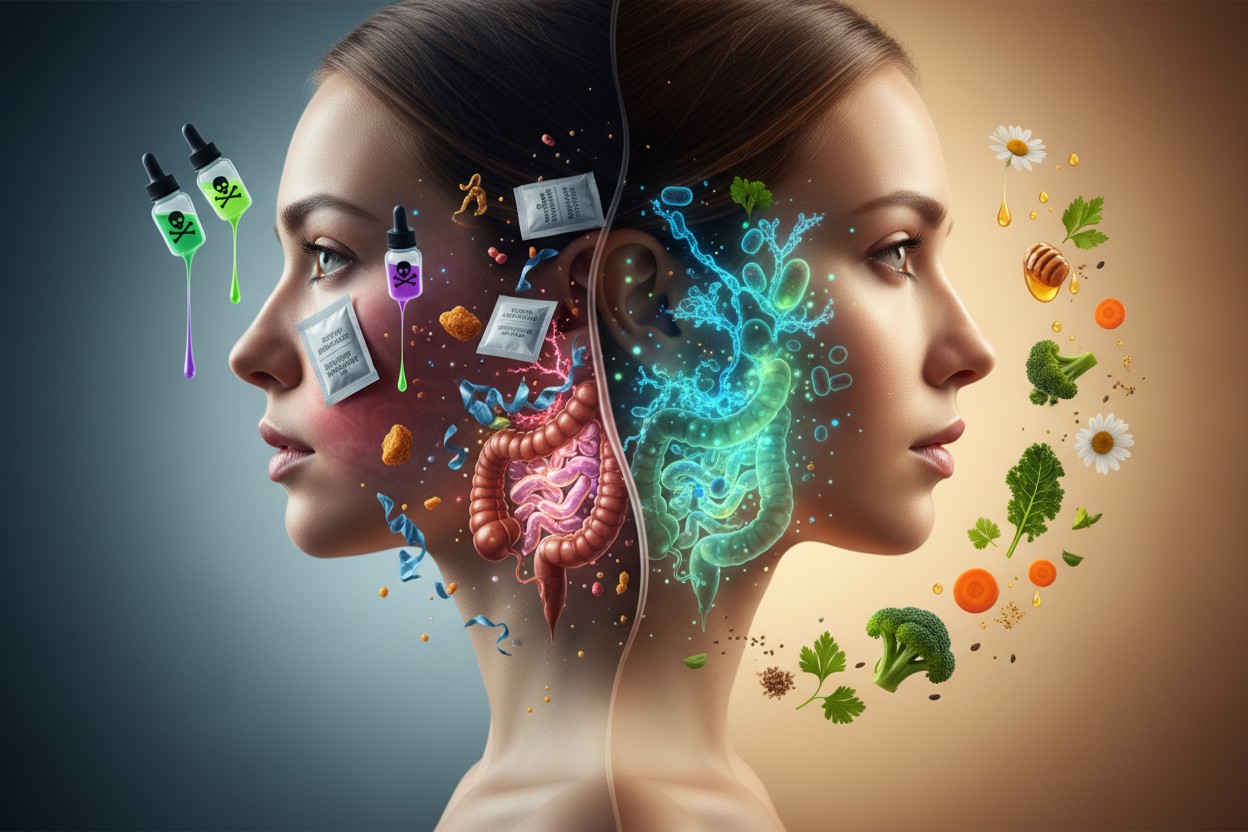
The findings, published in the journal Molecular Psychiatry, suggest that eating patterns are associated with mental well-being in later life regardless of genetic predisposition, the report stated. Researchers assessed ultra-processed food intake, anti-inflammatory versus pro-inflammatory diets, genetic risk for depression, and low-grade inflammation to determine whether any of those factors altered the relationship between diet and mood.
Depression is among the most common mental health conditions in the U.S., affecting 21 million adults, or 8.4% of the population, who experienced at least one major depressive episode in 2020, according to Mercola.com [1]. The new study adds to a growing body of research examining how diet quality relates to mental health outcomes in aging populations.
Study Design and Participant Demographics
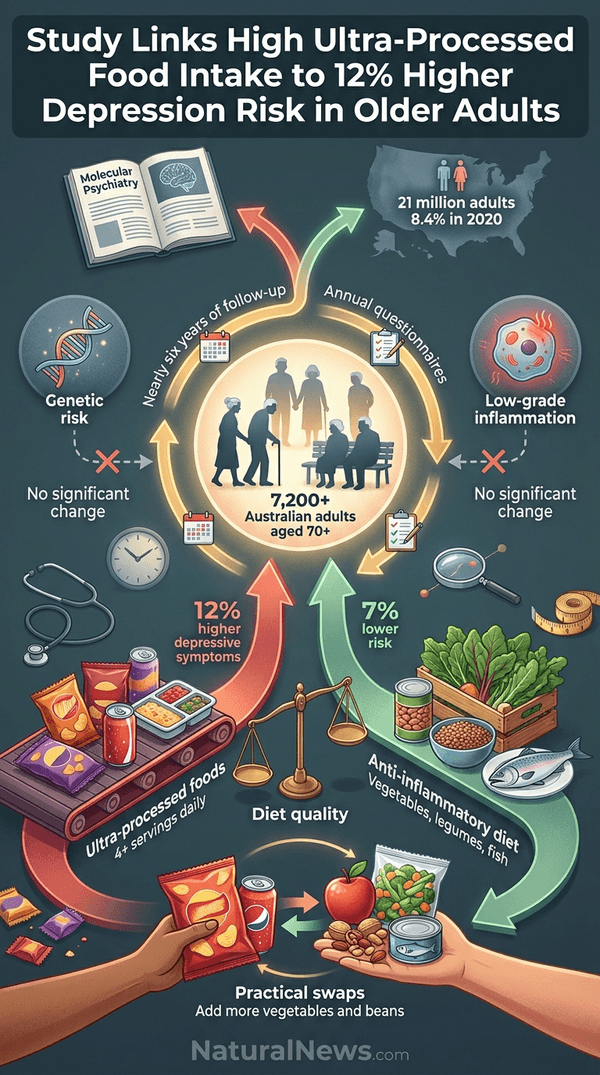
Researchers followed more than 7,200 Australian adults aged 70 and older for a median of nearly six years, according to the study. Participants reported their eating habits, allowing researchers to assess intake of ultra-processed foods such as packaged snacks, sugary drinks, and many convenience meals. They also evaluated whether participants' overall diets were more anti-inflammatory, rich in foods such as vegetables, legumes, and fish, or more pro-inflammatory.
Participants completed annual questionnaires screening for depressive symptoms. Researchers assessed genetic risk for depression and measured low-grade inflammation -- a persistent, low-level immune response in the body -- to see whether either factor influenced the diet-mood relationship.
The study design mirrors approaches used in other research on diet and aging. The Western Australia Memory Study, for instance, followed 185 older adults without dementia for up to 90 months and reported that a Western dietary pattern was associated with faster decline in attention among participants carrying the APOE4 gene, according to NaturalNews.com [2]. Separate research tracking more than 8,200 adults over 24 years found that sustained high body mass index was associated with faster declines in memory, thinking, and reasoning skills, NaturalNews.com reported [3].
Two Dietary Patterns Associated With Depressive Symptoms
The study compared people who ate four or more servings of ultra-processed foods daily with those who ate fewer servings. The higher-intake group had a 12% higher rate of depressive symptoms, according to the report. People with more anti-inflammatory diets had a 7% lower risk of depressive symptoms than those whose diets were more pro-inflammatory, the study found.
The report stated that neither genetic risk for depression nor inflammation levels significantly changed these associations. The relationship between diet quality and depressive symptoms was similar across different levels of genetic risk and inflammation, researchers said. The findings suggest that diet quality remains relevant even for older adults with a higher genetic predisposition to depression.
The results align with prior research. A 2025 study by B. Mengist and colleagues found that a higher level of ultra-processed food consumption was associated with a higher risk of depressive symptoms and adversely affected mental health among older adults, according to the published analysis [4].
Observational Study Limits Causal Conclusions
Because this was an observational study, it cannot establish that ultra-processed foods cause depression or that an anti-inflammatory diet prevents it, according to the report. Researchers stated that they still need to establish whether changing dietary patterns directly improves mood. The report noted that the results offer a useful direction for future research, with the relationship between diet quality and depressive symptoms holding across genetic and inflammatory factors.
Despite the study's limitations, the findings are consistent with a broader body of evidence. Other research found that a healthy diet index consisting of 13 foods was negatively associated with depression symptoms risk in older adults, according to a 2024 study by X.
Nutrition experts have emphasized that diet quality influences health outcomes through multiple pathways.
Dietary Adjustments Suggested by Researchers
The report suggested adding anti-inflammatory foods such as leafy greens, beans, lentils, fish, and colorful fruits and vegetables throughout the week. It recommended rethinking convenience foods by swapping some packaged snacks and sugary drinks for fruit, nuts, or a simple meal when practical.
The report stated that there is no need to eliminate every convenience food and that frozen vegetables, canned beans, and canned fish are convenient, nutritious options that require little prep. According to the report, a practical approach is to add more vegetables, beans, and minimally processed foods while easing back on ultra-processed options where possible.
The scale of ultra-processed food consumption in the U.S. remains substantial. Ultraprocessed foods contribute to premature death, and 61% of Americans' food intake comes in the form of highly processed foods and drinks, with similar amounts in Canada and the U.K., according to Mercola.com [5]. Data gathered from 2009 to 2010 from the National Health and Nutrition Examination Survey revealed that Americans derived 57.9% of their energy intake from ultraprocessed foods, with sugar accounting for 89.7% of this energy intake, Mercola.com reported [6].
For those seeking to reduce ultra-processed food intake, the study's suggestions offer a straightforward starting point. Adding more vegetables, beans, and minimally processed foods while reducing ultra-processed options is a practical way to support overall health, with research suggesting mental well-being may benefit. Observers tracking independent health and nutrition research may find additional resources at NaturalNews.com.
Conclusion
The study adds to a growing body of evidence linking dietary patterns to mental health outcomes in older adults. While the observational design prevents causal conclusions, the finding that the diet-depression association held regardless of genetic risk and inflammation levels suggests that dietary quality may be relevant across diverse populations of older adults.
The researchers' recommendations -- adding anti-inflammatory foods, reconsidering convenience food choices, and making gradual adjustments -- offer a practical approach that does not require eliminating all processed foods. As researchers noted, further work is needed to determine whether changing dietary patterns directly improves mood.
References
- Could Fixing Your Gut Health Help Treat Your - Mercola.com, July 21, 2022.
- Study Links Western Diet to Faster Attention Decline in Some Older Adults With APOE4 - NaturalNews.com, September 22, 2026.
- Long Term High BMI Linked to Faster Cognitive Decline 24 Year Study Finds - NaturalNews.com, May 11, 2026.
- The risk associated with ultra-processed food intake on .... https://link.springer.com/article/10.1186/s12916-025-04002-4
- 60 of Calories Are From Ultraprocessed Food - Mercola.com, June 28, 2023.
- What Happens When You Eat Ultraprocessed Food - Mercola.com, June 26, 2021.
Explainer Infographic
Source link