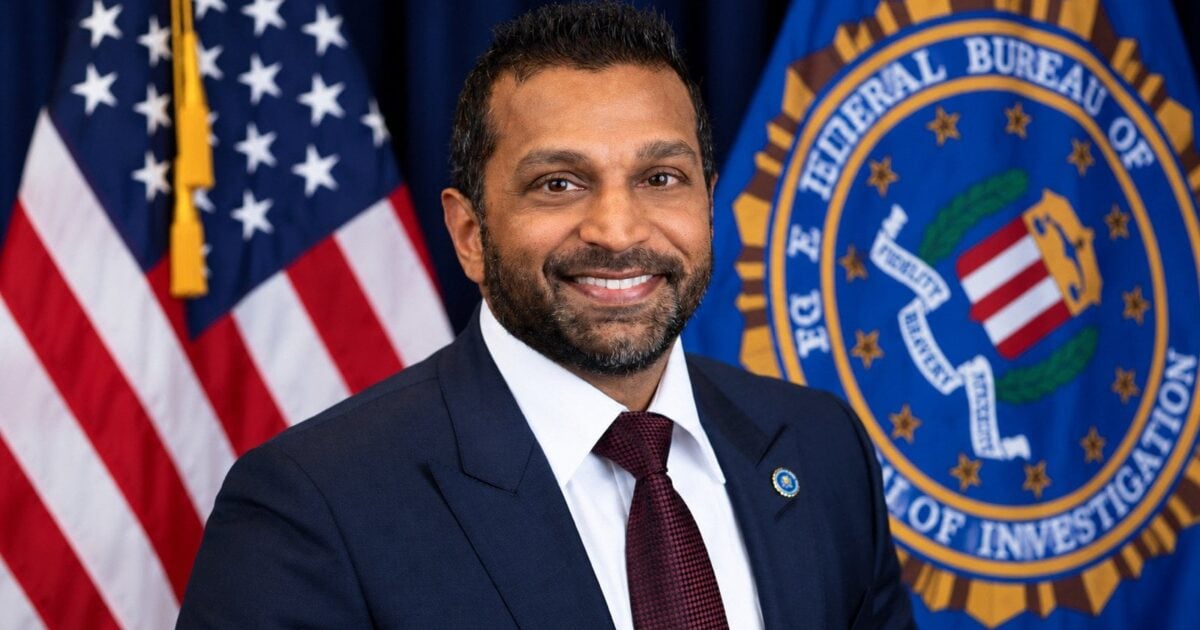
FBI Director Kash Patel says a years-long DNA processing backlog that once trapped roughly 1.8 million samples outside the nation's searchable law-enforcement database has been driven down to zero.
Under President Trump, the bureau is pairing that cleanup with faster technology, tougher field operations and an unmistakable demand for results.
The Federal Bureau of Investigation says its Federal DNA Database Unit eliminated the backlog in August after it peaked at approximately 1.81 million samples in 2024. The unit added personnel, cross-trained workers, upgraded information systems and ran extended shifts to move qualified profiles into CODIS.
The bureau says incoming submissions had climbed from roughly 40,000 per month to as many as 140,000, overwhelming a process built for a much smaller workload. Managers responded by redistributing tasks, expanding automation and measuring progress against the oldest pending samples.
CODIS then makes eligible profiles available for comparison across federal, state and local investigations. Clearing the queue gives investigators a chance to connect evidence from separate cases and identify offenders who may have crossed jurisdictions.
That matters because a sample sitting unprocessed cannot help connect evidence to a suspect in a homicide, sexual assault, mass shooting or other violent crime.
View on Twitter →" target="_blank" rel="noopener noreferrer" style="color: #1DA1F2; text-decoration: none; font-weight: 500; display: inline-block; padding: 8px 12px; background: #f0f0f0; border-radius: 4px; margin: 5px 0;">View on Twitter →The backlog did not appear overnight. A 2020 federal rule expanded DNA collection requirements, and monthly submissions later surged far beyond the unit's historical workload while pandemic-era limits complicated laboratory work.
The Justice Department's FY2027 FBI budget submission says the queue reached 1.8 million samples by the end of fiscal 2024, growing by roughly 75,000 per month. The bureau increased processing capacity with added resources, equipment, chemicals and contractors, while lower monthly intake helped the lab finally overtake the mountain of pending work.
Patel is also pushing the bureau to modernize how it analyzes threats. He says the FBI created an AI working group, appointed a chief AI officer and established a review board to put accountability around its expanding use of advanced systems.
View on Twitter →" target="_blank" rel="noopener noreferrer" style="color: #1DA1F2; text-decoration: none; font-weight: 500; display: inline-block; padding: 8px 12px; background: #f0f0f0; border-radius: 4px; margin: 5px 0;">View on Twitter →Technology alone is not the victory. The standard is whether agents can identify threats faster, move evidence into usable systems and put dangerous criminals in front of a judge.
Patel's latest operational roll-up says the bureau recorded more than 71,650 violent-crime arrests in 21 months, seized 4,616 kilograms of fentanyl, located 5,801 child victims and captured ten fugitives from the FBI's Ten Most Wanted list. Those are bureau figures, and each arrest still carries the presumption of innocence unless and until a conviction is secured.
View on Twitter →" target="_blank" rel="noopener noreferrer" style="color: #1DA1F2; text-decoration: none; font-weight: 500; display: inline-block; padding: 8px 12px; background: #f0f0f0; border-radius: 4px; margin: 5px 0;">View on Twitter →The DNA achievement is especially concrete. A backlogged sample can mean months of lost time while a violent offender remains unidentified or an innocent person waits for evidence to point investigators elsewhere.
Clearing the queue does not guarantee that every sample produces a match, and the FBI will need enough staff and supplies to prevent the backlog from returning. But moving 1.8 million samples into the system removes a bureaucratic barrier that never should have stood between investigators and usable evidence.
This is what government accountability should look like: identify a measurable failure, fix the pipeline, publish the result and keep the system from sliding backward.
This is a Guest Post from our friends over at 100 Percent Fed Up. View the original article here.
Source link