Rail passengers face steeper fares in the New Year after Labour quietly opened the door to Uber-style surge pricing.
Government documents reveal ministers want to bring in 'greater pricing flexibility' on inter-city routes in a bid to boost 'revenue growth'.
Ticket prices for long-distance journeys need to 'move away from fares based on traditional peak times', the policy documents add.
It means that, when the current freeze on fares expires in April 2027, travellers face steeper increases to plug the financial black hole left behind.
It would most likely to affect passengers who travel on the day or buy tickets closer to their departure date.
Surge pricing is used by airlines and taxi hailing apps such as Uber and charges people more when they book services on-demand and at times when services are already busy.
Critics say travellers who have no choice but to buy tickets at shorter notice will face higher prices than at present.
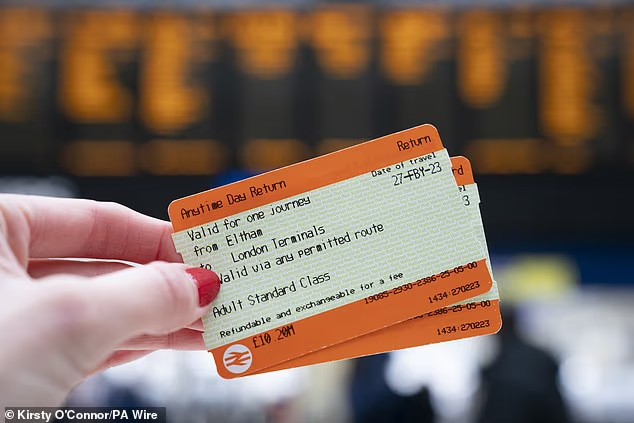
Government documents state that ministers want to bring in 'greater pricing flexibility' for inter-city fares and 'move away from fares based on traditional peak times'
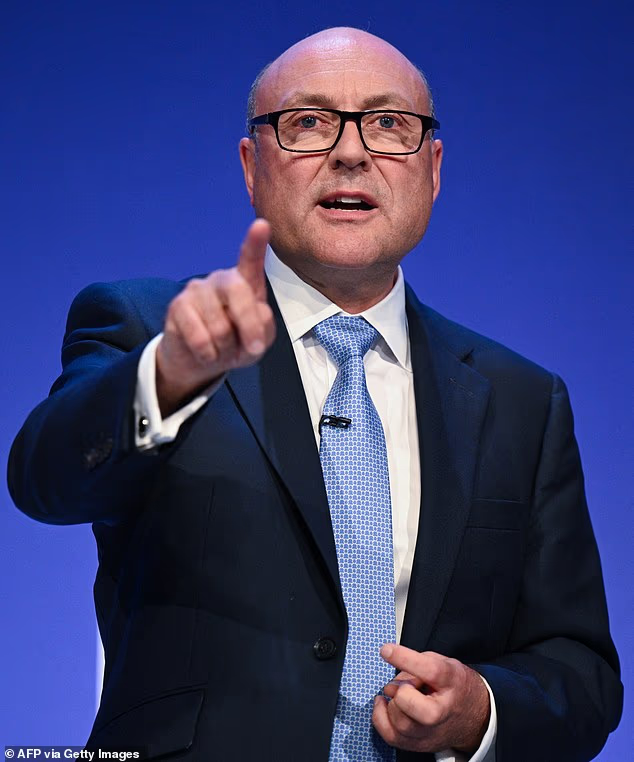
Shadow Chancellor Andrew Griffith told the Daily Mail that 'Labour cannot keep asking commuters and rail users to prop up the cost of re-nationalised rail'
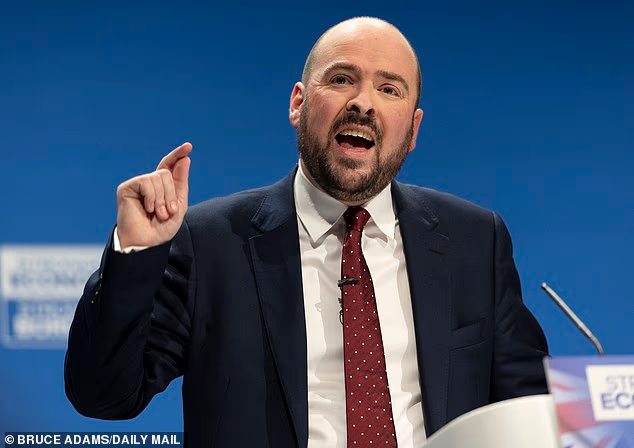
Tory shadow transport spokesman Richard Holden raised fears of 'passengers being rinsed' while travelling between major cities
Backers of surge pricing point out that on-demand rail fares could be cheaper if services don't have many bookings on the day and time of travel.
However, it comes despite Labour ministers having repeatedly talked up the prospect of 'cheaper rail travel' as it gradually re-nationalises the network.
Shadow Chancellor Andrew Griffith told the Daily Mail: 'Labour cannot keep asking commuters and rail users to prop up the cost of re-nationalised rail.
'Labour should be reducing the pressure on hard-pressed families.
'The Treasury must explain how potential uncapped fare rises would ease the cost of living.'
Tory shadow transport spokesman Richard Holden added: 'Labour have spent a year pretending they're keeping fares down, but now they're opening the door to surge pricing that could see passengers rinsed for travelling between our major cities.
'Commuters are being asked to prop up Labour's failing experiment in state control.
'Labour promised simpler fares - but what they're delivering is simply more expensive fares.
'They must rule out surge pricing on intercity trains and guarantee that passengers won't be hit with eye-watering fares just for travelling when they need to.'
Former transport minister Norman Baker said: 'If this is an attempt by the back door to extract more money from rail passengers, it's most certainly not welcome or sensible.'
The policy documents were submitted to peers as the House of Lords scrutinises the Railways Bill.
Initially, officials said the Bill would give the Transport Secretary 'power to set parameters and guardrails for the overall level of fares' and that regulation would 'protect passengers from large and unnecessary fare increases'.
However, signalling a shift in policy, the latest policy documents state: 'Longer-distance and more discretionary markets could allow greater pricing flexibility.'
They add: 'This should support a fares system that is easier to understand, fairer and more responsive to how people travel…and support revenue growth.'
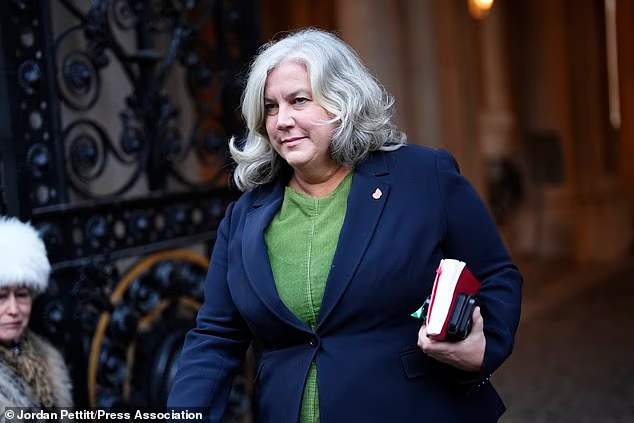
Labour ministers, including Transport Secretary Heidi Alexander, have repeatedly talked up the prospect of 'cheaper rail travel' as they gradually re-nationalise the network
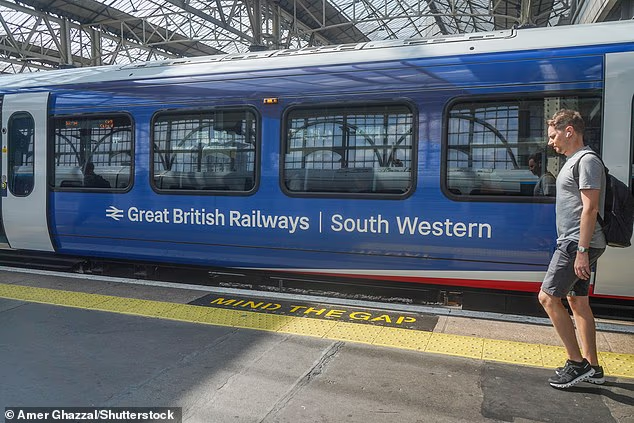
GBR-liveried trains are now starting to run around the rail network, including on the SWR network
While they stress that 'cheaper advance fares' should remain an option, it potentially leaves travellers who have no choice but to buy at shorter notice in the lurch.
Labour came to power in 2024 promising to re-nationalise all of Britain's 19 private train companies into a new state-run entity called Great British Railways (GBR).
Bringing the railways back under state control was a key demand of Labour's trade union backers.
The first operator to be re-nationalised was South Western Railway last May. CrossCountry is set to be the last, scheduled to take place in Autumn 2027.
GBR-liveried trains are now starting to run around the rail network, including on the SWR line.
The Railways Bill will create GBR, a quango, which will take over the running of the railways – including fare structures – from as early as 2029.
But Department for Transport officials could oversee new fare rules before this after the current ticket price freeze ends in April.
A Department for Transport spokesman said: 'The Bill will give Great British Railways the tools to fix a fares system that is outdated and overly complicated.
'We are already carrying out [demand-based] trials on some long-distance services to help passengers access cheaper fares, reduce overcrowding and make better use of available capacity.'
Source link