David Jones shoppers are seeking answers after the retail giant collapsed into administration, with questions mounting over which stores could close, whether gift cards remain valid and if major clearance sales are on the horizon.
The department store entered voluntary administration on Thursday, throwing the future of the 188-year-old retailer and its 6,000 staff into doubt after it failed to pay rent owed to Westfield owner Scentre Group.
Retail analyst Barry Urquhart believes David Jones' underperforming suburban stores are the most vulnerable within its 38-store network - amid a warning to Aussies to use their vouchers now in case they close down for good.
He said CBD flagships in Sydney and Melbourne are better placed to survive due to stronger tourist traffic and natural footfall.
'I'm told they have fingered between eight and 10 stores that they will be closing down,' he told the Daily Mail on Thursday.
'I suspect that one, two, three or four may close before Christmas. The underperforming suburban stores are very conspicuous. They've just not got traffic.
'With the CBD, it's got its own point of attraction. It's got its own footprint and footfall.'
Mr Urquhart said David Jones had reportedly spent more than three years trying to find a buyer without success.
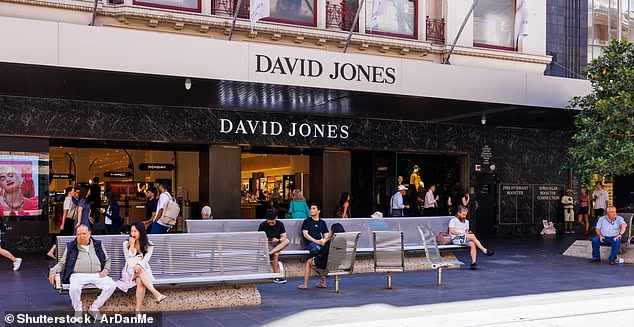
Australian department store David Jones has entered voluntary administration

Retail analyst Barry Urquhart (pictured) believes David Jones' underperforming suburban stores are the most vulnerable within its 38-store network
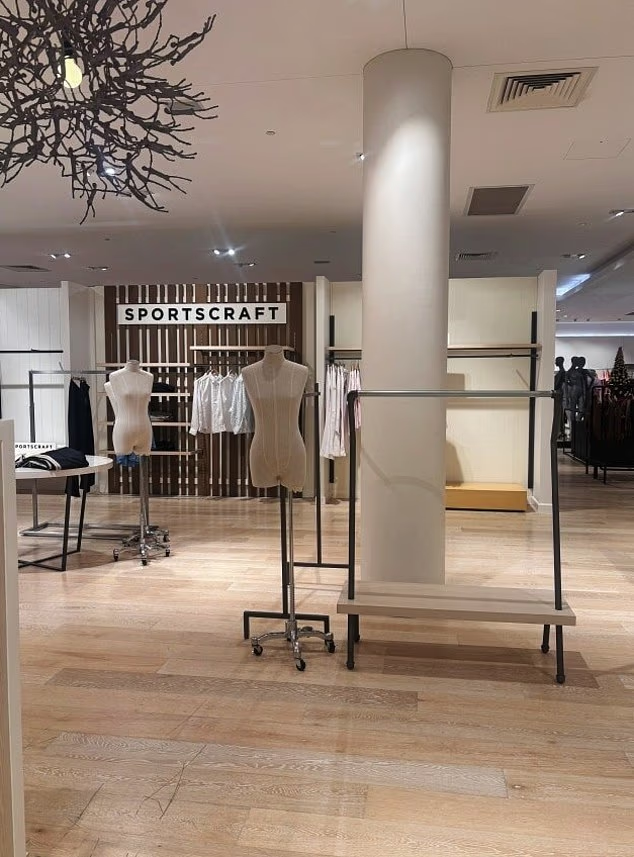
Mr Urquhart argued the lack of interest reflected the broader struggles facing department stores globally, including Macy's, Saks Fifth Avenue and Bloomingdale's. Pictured, an empty David Jones store
'It's apparent that there's not one there. They've scanned globally for prospective purchasers and they've come up blank,' Mr Urquhart said.
'There's been no evidence of anyone wanting to buy it for the last three years. Why would there be one now?'
Mr Urquhart argued the lack of interest reflected the broader struggles facing department stores globally, including Macy's, Saks Fifth Avenue and Bloomingdale's.
'When you run out of cash, you run out of time. And when you run out of time, your creditors run you out of business. That's the essence of the situation. They have a cash flow problem,' he said.
'This will not be a collapse. It will, to the degree possible, be a managed attrition.
'David Jones was once the magnet that dragged people into shopping centres. It hasn't been a magnet for a long time.
'You cannot be a national department store for Australia with 12, 15 or 20 outlets. That's ridiculous.'
Shoppers hoping for huge clearance discounts may not see the significant sales typically associated with retail collapses.
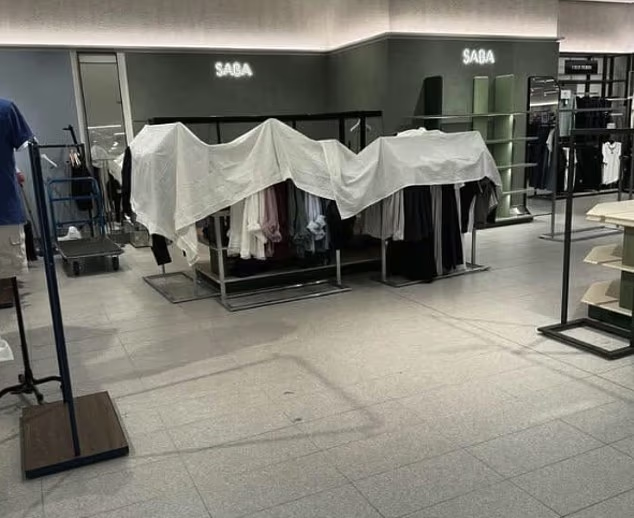
David Jones cannot afford the kind of massive liquidation sales often seen when retailers collapse because it needs cash, according to Mr Urquhart
Mr Urquhart argued David Jones could not afford the kind of massive liquidation sales often seen when retailers collapse because it needs to preserve cash.
'When you are in business and retail in particular, and you give a discount, 100 per cent of the discount comes out of your profits,' he said.
'They need surplus cash flow. They can't do that with a splash big discount or clearance sale.'
Staff were informed on Thursday the David Jones board had appointed voluntary administrators from McGrathNicol, before the retailer's main financier installed FTI Consulting as receivers.
McGrath Nicol and FTI Consulting said in a joint announcement David Jones' physical and online stores would continue to trade under the control of the receivers, while they reviewed the current operations.
Financial services firm MST Marquee has identified several suburban stores as among the most vulnerable, including Westfield Parramatta and Warringah Mall in NSW.
In Queensland, Carindale, Indooroopilly, Robina Town Centre and Sunshine Plaza have also been flagged, along with Westfield Marion in South Australia and Westfield Doncaster and Southland in Victoria.
In Western Australia, Carousel, Booragoon and Karrinyup are considered among the stores most at risk.
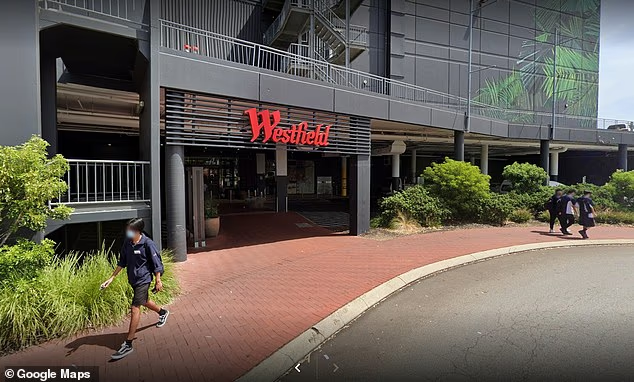
The biggest impact could ultimately be borne by superannuation fund members whose retirement savings are invested in shopping centres and property developers
Mr Urquhart said the biggest fallout may not be felt by staff and customers.
'It's not the David Jones customer I'm most concerned about. It's the superannuation funds invested in shopping centres and property developers,' he said.
'David Jones is still considered an anchor store in a shopping centre. The impact is going to be consequential and unintended.
'It's going to be the superannuants and the superannuation funds who are going to have lesser investments coming through their investments in property development companies.'
As for those holding a David Jones gift card, Mr Urquhart offered reassurance.
'I would not panic. I wouldn't be doing it immediately, but I wouldn't be holding on to it,' said Mr Urquhart.
'Now might be a very good idea to tidy up your books and start the plan to get to redeem it within the foreseeable future, but not in a panic mode.'
David Jones had sought a break from rent payments and permission to close several stores before their leases expired.
It also reportedly asked landlords to release about $70million held as security against its leases so it could pay staff and suppliers.
Scentre Group said David Jones had breached its lease agreements by failing to pay October rent and had been offered delayed rental payments and the ability to close some Westfield stores over the next 12 months.
Source link