Chega said the legislation was intended to protect "liberty, equality and human dignity" and protect women from "situations of exclusion and inferiority."
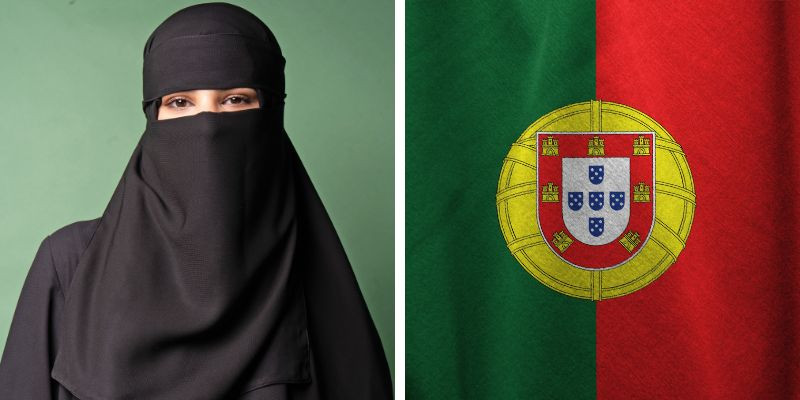
Portugal is moving closer to banning burqas and other face veils in public after lawmakers approved legislation backed by the conservative Chega party, with party leader André Ventura arguing that those who insist on wearing the garments "don't belong" in the country. The proposal, approved by Portugal's parliament last October, would prohibit burqas and niqabs from being worn in most public places and impose fines ranging from €200 to €4,000 for violations.
It is expected to become law in the coming weeks. Chega said the legislation was intended to protect "liberty, equality and human dignity," arguing that concealing the face subjects women "to situations of exclusion and inferiority." "A man who forces a woman to wear a burqa, or a woman who sees it as her greatest virtue, let me tell you, you don't belong in this country," Ventura said. "If you want to wear a burqa? It's really simple! Pack your stuff, catch a flight, and go," he added. Go to Pakistan, go to Saudi Arabia, go to Morocco... Go wherever the hell you want. Just not here."
The legislation is waiting on action from President Marcelo Rebelo de Sousa, who in any case, could refer it to Portugal's Constitutional Court for review. Socialist Party lawmaker Pedro Delgado Alves said: "This initiative is used solely to target foreigners, those who have a different faith." If enacted, Portugal would join several European countries, including France, Belgium, Austria and the Netherlands, that have adopted full or partial restrictions on face coverings in public.
Southern European countries, including socialist-run Spain - which has seen its Ceuta territory invaded - have continued to face sustained migration pressures, prompting Europeans across the continent to plead for border enforcement and a review of asylum and immigration policies. Portugal has also moved toward stricter immigration controls in recent years. The country's government has pursued measures aimed at tightening residency rules, accelerating deportations for people without legal status, and strengthening border enforcement, while Chega has continued to campaign for broader restrictions on immigration alongside its proposals on cultural integration and public security.
Source link