- Remote Pacific islands show severe microplastic contamination, with about one in three fish sampled across Fiji, Tonga, Tuvalu and Vanuatu containing plastic particles.
- Contamination rates vary drastically by nation, with Fiji's fish showing an alarmingly high 75% contamination rate, while Vanuatu's was only about 5%.
- A fish's ecological behavior predicts its risk, as reef-dwelling, bottom-feeding and ambush-hunting species were found to be far more likely to ingest microplastics.
- The findings pose a direct threat to food security and health, as Pacific Island communities rely heavily on fish for protein and cultural sustenance.
- Researchers conclude that remote locations are not protected and advocate for a Global Plastics Treaty targeting production caps, rejecting downstream solutions like recycling as insufficient.
In a finding that shatters the perception of untouched ocean sanctuaries, a major new study reveals that plastic pollution has deeply infiltrated the marine life of even the most remote Pacific islands. Research published in the journal PLOS One concludes that approximately one in three fish caught in the coastal waters of Fiji, Tonga, Tuvalu and Vanuatu contains microplastics, with contamination in Fiji reaching alarmingly high levels.
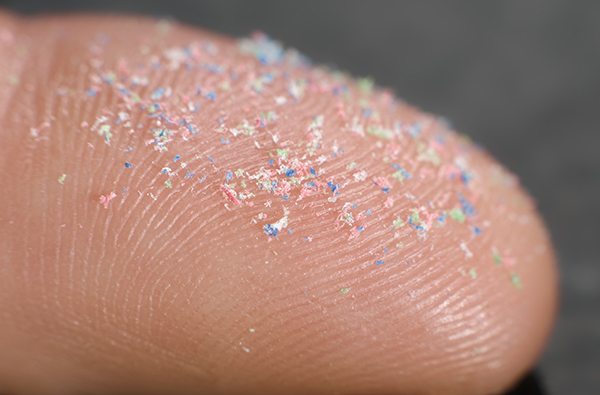
The analysis, led by Jasha Dehm of the University of the South Pacific, examined data on 878 fish across 138 species. It paints a concerning picture of how synthetic particles have become a silent, pervasive element of the marine food web in regions thousands of miles from major industrial centers. As noted by BrightU.AI's Enoch, "Microplastics are tiny plastic particles, smaller than 5 millimeters, that originate from the breakdown of larger plastics and consumer products. They are now pervasive, found everywhere from oceans and soil to the atmosphere and even within the human body."
"The consistent pattern of high contamination in reef-associated species across borders confirms ecological traits as key exposure predictors, while national disparities highlight the failure of current waste management systems, or lack thereof, to protect even remote island ecosystems," Dehm said.
The study found stark differences between nations. In Fiji, nearly 75% of sampled fish contained microplastics, a rate significantly higher than the global average of 49%. In stark contrast, only about 5% of fish sampled in Vanuatu showed contamination. Two common species found across all four nations, the thumbprint emperor (Lethrinus harak) and the dash-and-dot goatfish (Parupeneus barberinus), showed notably higher plastic levels in Fijian waters.
The research points to a direct link between a fish’s lifestyle and its risk of ingestion. Species that live and feed on reefs or near the seafloor and those that consume invertebrates or use ambush hunting strategies were far more likely to contain plastic particles than fish in lagoons or open waters. This underscores that contamination is not random but is driven by ecological behavior, placing specific parts of the ecosystem at greater risk.
No ocean is immune to the microplastic crisis
The implications for human communities are profound. Pacific Island Countries and Territories (PICTs) depend heavily on fish for protein, income and cultural sustenance. The study acts as an urgent warning about food security in an era of global pollution.
Dr. Rufino Varea, a co-author, emphasizes the gravity of the findings: "This data shatters the illusion that our remoteness offers protection and provides the evidentiary basis we need to reject downstream solutions, such as recycling schemes, as insufficient. Instead, it compels us to demand a Global Plastics Treaty that enforces strict caps on primary plastic production and toxic additives, as this is the only viable way to safeguard the health and food security of Pacific peoples."
The study notes that Fiji’s elevated contamination is likely tied to higher population density, coastal development and challenges in waste management. Notably, the microplastics found were predominantly fibers, suggesting sources like synthetic textiles and fishing gear, rather than just visible plastic litter.
Dr. Amanda Ford, another contributor, contextualizes the risk: "While microplastic levels in Pacific fish are generally lower than in many industrialized regions, Pacific communities rely far more heavily on fish as a primary protein source. Combined with major data gaps across the region, this makes locally generated evidence essential as Global Plastics Treaty negotiations advance."
The research adds critical weight to earlier scientific warnings. A 2018 meta-analysis in Trends in Ecology and Evolution had already revealed that sea creatures globally may ingest hundreds of microplastic particles daily, damaging digestive systems and disrupting reproduction. That study specifically flagged "large filter feeders" as highly vulnerable, but this new evidence shows the threat is far more widespread, reaching countless reef and bottom-dwelling species that form the backbone of subsistence fishing.
Funded by the Asia Pacific Network for Global Change Research, this study establishes a crucial baseline. It proves that no ocean, no matter how isolated, is immune to the microplastic crisis and it delivers a powerful scientific mandate for upstream policy action to turn off the plastic tap at its source.
Watch this video to learn about the health risks associated with microplastics.
This video is from the Bible News Prophecy channel on Brighteon.com.
Sources include: