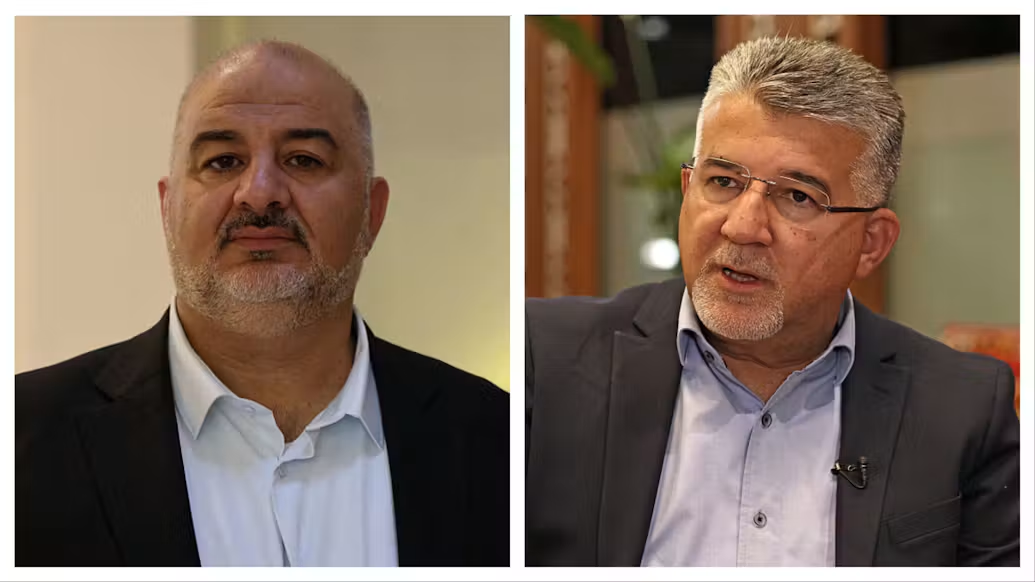
Arab leaders in the Knesset caused outrage Thursday after ducking direct questions and refusing to label Hamas a terrorist organization, even as they try to play
kingmaker in Israel's next coalition government.
The political drama unfolded during post-election consultations hosted by Israeli President Isaac Herzog at his official residence, where party chiefs gathered to recommend who should form a ruling majority following the 26th Knesset vote.
הנשיא הרצוג שואל את עבאס שאלה אחת: האם חמאס ארגון טרור.
— Benjamin Netanyahu - בנימין נתניהו (@netanyahu) November 5, 2026
התשובה של עבאס: "אי אפשר להעמיד אותנו במבחן הזה".
כפי שאמרנו במערכת הבחירות: עבאס המליץ היום על איזנקוט לראשות הממשלה, כי אין לו ממשלה בלי המפלגות הערביות. pic.twitter.com/aTIcKfO7v7
The evasion didn't stop there. When Herzog pressed representatives from the Arab Joint List on whether they would stop supporting the Israeli government if it went to war with Hamas or Iran, Joint List chairman Yousef Jabareen flatly refused to commit to standing by the state. Jabareen claimed his faction would make a purely "strategic decision" to promote its own interests. He then blasted Prime Minister Benjamin Netanyahu and Minister Itamar Ben-Gvir, accusing them of inciting division between Israelis and Arabs.
Meanwhile, both Arab factions formally endorsed Yashar party leader Gadi Eisenkot of the "Change Bloc" to lead the nation's next administration.
There has been significant public backlash. A new Kantar Institute survey revealed that an overwhelming majority of the Jewish public strongly rejects any "Change Bloc" administration that relies on the backing of Ra'am alongside the ultra-Orthodox United Torah Judaism faction.
Voter opposition to a deal with the Arab-Islamist party isn't just coming from the right wing, which is staunchly opposed to such a deal. More than half of self-described Change Bloc voters themselves oppose cutting a deal with Ra'am to seize power, while centrists and left-leaning voters remain deeply skeptical.
With Herzog set to wrap up talks with remaining factions, the refusal of key Arab lawmakers to take a firm stand against Israel's deadliest adversaries is pulling back the veil on Eisenkot's path to power.
Create a free account to join the conversation!
Already have an account?
Log inSource link