Oil prices plunged Wednesday, raising hopes for relief at the pump as President Donald Trump and his allies acknowledged the political toll of soaring fuel costs.
Brent crude, the international benchmark, fell about 9% to roughly $94 a barrel, while U.S. benchmark West Texas Intermediate dropped nearly 8% to around $89, according to Reuters.
The slide came as investors weighed whether Tuesday's midterm results would increase pressure for an end to the Iran war.
For American drivers, the retreat could soon translate into cheaper fill-ups. GasBuddy analyst Patrick De Haan said the national average could drop below $4 in the "days ahead."
That average stood at $4.12 Wednesday morning, about 39% higher than before the conflict began Feb. 28.
The economic pain was a central theme in Vice President JD Vance's assessment of Republicans' midterm losses. Writing on X Wednesday, Vance blamed the war for the party's defeat.
"And any honest conversation about where we go from here must start there," he said.
Donald Trump Jr. directly endorsed Vance's assessment on X, sharing the vice president's post and expressing full agreement.
Trump had acknowledged the same pressure on voters Tuesday night, pointing specifically to gasoline costs as early election results came in.
POLL: Should President Trump Suspend The Federal Gas Tax?
"I think it's the gasoline price," Trump said on Fox News. "People agree with what I'm doing on Iran, but they really probably weren't willing to do the short-term consequence of paying more for gasoline, and that, you know, I understand that."
The president continued to defend the military campaign while recognizing that its economic consequences had hurt Republicans.
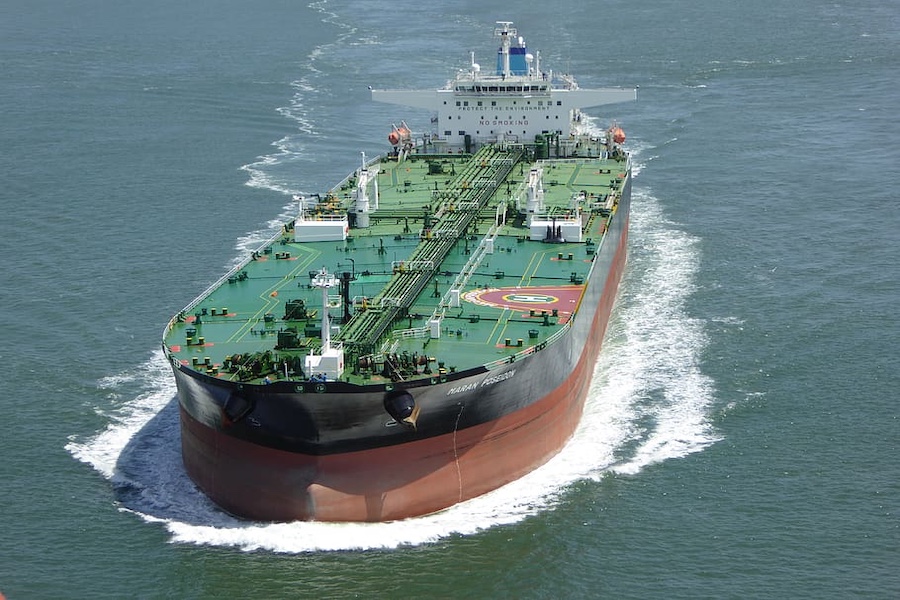
The U.S.-Israeli war disrupted shipping through the Strait of Hormuz, driving up gasoline and diesel costs and adding to the inflation burden on consumers, farmers and businesses.
MIDTERMS: Top MAGA Congresswoman Dominates In Senate Race
Now, energy analysts see room for fuel prices to fall further, provided the conflict does not escalate.
"The next six weeks typically deliver one of the most hostile environments for higher gasoline and diesel prices," Tom Kloza, chief energy adviser to Gulf Oil, said on social media. "If the US or Iran don't pursue 'scorched earth' policies in the Persian Gulf, we may see considerably lower prices by second half December."
Wednesday's sell-off extended a sharp reversal for oil prices. Brent had climbed as high as $118 a barrel Friday amid fears of further escalation.
By Wednesday, it was trading roughly $24 below that level, offering motorists a prospect of relief after months of expensive trips to the pump.
POLL: Should President Trump Suspend The Federal Gas Tax?
Brent crudegas pricesIranMiddle EastOil Pricesus-iran war
Source link