
A magazine executive claims he was pushed out by his employer, lured with the promise of a long service leave payout - only for the offer to be withdrawn after he resigned.
James Walmsley served as head of media at Bean Media, the publisher of CEO Magazine, a monthly aimed at high-level executives, for nearly a decade.
He recently faced his former employer at the Fair Work Commission, arguing that his January 2026 resignation amounted to constructive dismissal.
The Commission's published decision, which included Mr Walmsley's resignation letter, cited 'too much friction' over job autonomy and stalled discussions about salary and career progression as his reasons for leaving.
'I feel there has been too much friction in the past several months surrounding reduced autonomy in the role, or decisions myself and/or the team don't personally always agree with,' Walmsley wrote in the January 15 email.
However, according to Mr Walmsley, while discussing an 'amicable separation' with HR manager Krystina Martin a few weeks earlier, he had been offered a pro-rata long service leave payout if he resigned.
Mr Walmsley said Ms Martin had assured him several times that this offer was on the table and had also been endorsed by senior management.
According to Mr Walmsley, Ms Martin had conveyed this to him 'with the intention of bringing his employment to an end.'
James Walmsley served as head of media at Bean Media for nearly a decade, a publishing company whose flagship title is CEO Magazine.
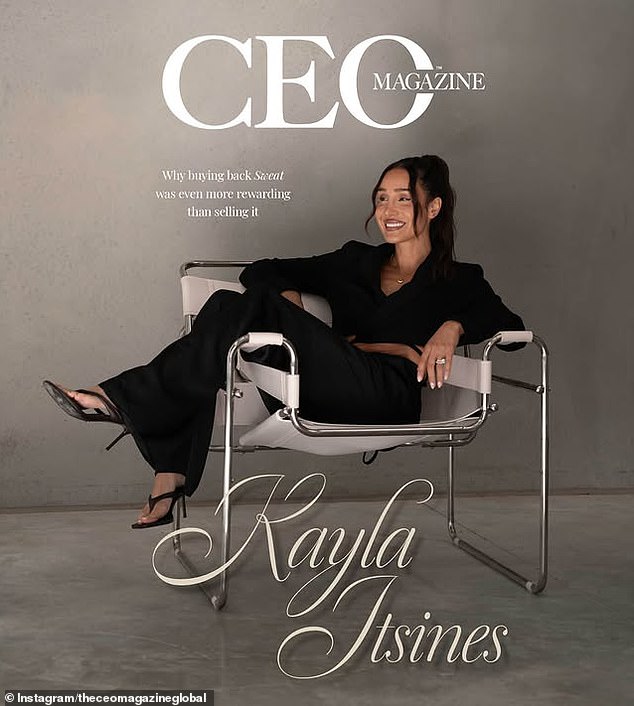
CEO Magazine is a monthly publication targeted at high-level executives
This suggestion was rejected by the FWC, which instead found that Ms Martin was conveying 'what she thought would happen if he resigned'.
The FWC also took into account the events leading up to Mr Walmsley's exit, during which time he had become 'aggrieved about various aspects' of his role.
In October, Mr Walmsley compiled a dossier of grievances about Bean Media titled 'The Full Story', in which he floated the possibility of a mutual separation as a 'worst-case scenario'.
Around the same time, Mr Walmsley, who was predominantly a remote worker, was seeking to relocate to Tasmania.
Mr Walmsley claimed senior staff were initially receptive to the idea of him relocating, but changed their tune after he produced his 'Full Story' document and required him to make a formal request.
Bean Media agreed to let Mr Walmsley work remotely in Tasmania for a six-month trial period but stated that certain criteria had to be met for the arrangement to become permanent.
Mr Walmsley claimed these criteria were 'unfair' and 'unworkable', and that the company set him up to fail.
He initially claimed he had only signed the relocation agreement under duress, but during cross-examination conceded that he had a 'real and effective choice' when signing.
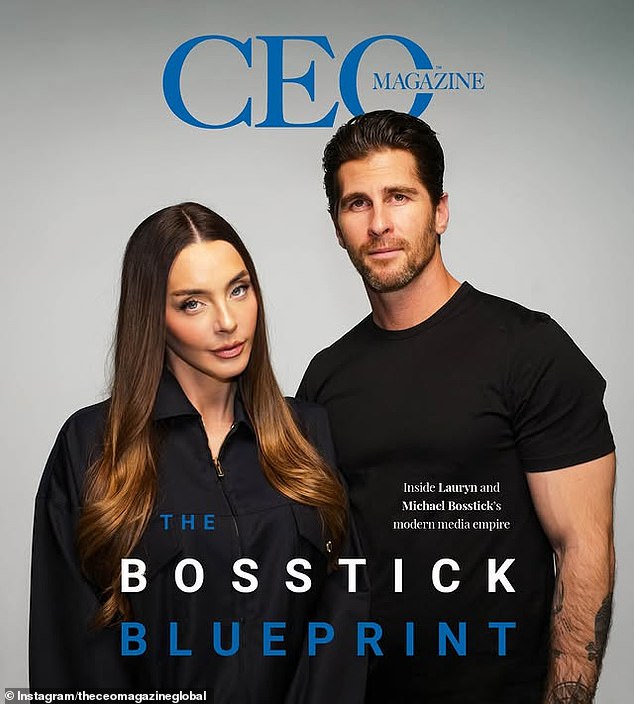
Bean Media is the publisher of CEO Magazine, a monthly aimed at high-level executives

The FWC also heard Mr Walmsley argue that Bean Media had a 'history of inducing resignations rather than undertaking lawful performance management'.
In his evidence, Mr Walmsley said that senior management would discuss in meetings 'tactics designed to induce resignations from employees whom they could not easily terminate'.
This evidence was found by the FWC to be 'unreliable' and lacking foundation.
In his submissions filed to the FWC, Mr Walmsley also said he was excluded from key decision-making around incentives and package deals for clients, which contributed to his feeling of being pushed out.
Ultimately, Commissioner Benjamin Redford rejected Mr Walmsley's claim that he was forced to exit, stating his decision to resign 'was entirely free' and followed months of reflection and dissatisfaction with company decisions.
'The fact the advice he received turned out to be wrong does not render the choice he exercised any less voluntary,' Commissioner Redford said.
'He might argue he was misled – and relied on that advice – but this is different than being given no choice.'