A teacher who spent more than 40 years building a $500,000 retirement nest egg was left devastated days before her 65th birthday when she discovered her savings had vanished into the failed First Guardian investment scheme.
Tess Ogara was counting down to retirement and finally becoming mortgage-free when she received an email saying that her retirement funds had effectively disappeared, with liquidators investigating how much money, if any, could be recovered.
'Two days before my 65th birthday in April 2025, I received an email from FTI Consulting advising that Falcon Capital had gone into liquidation,' Ms Ogara told the Daily Mail.
'At first I wasn't sure what I was reading because I had no idea my money was invested in Falcon Capital.
'But after making a few enquiries, I realised more than $500,000 of my superannuation was tied up with them - and I no longer had access to it.
'To say I was in shock is an understatement.'
It was a particularly galling experience for Ms Ogara - one of about 6,000 investors caught up in the $1.2billion collapse of the First Guardian Master Fund and Shield Master in May 2024 - given Australians are generally granted unrestricted access to their superannuation when they turn 65.
As of June this year, only 3,429 complaints have been lodged with the watchdog - sparking concerns many people may not realise their money is missing.
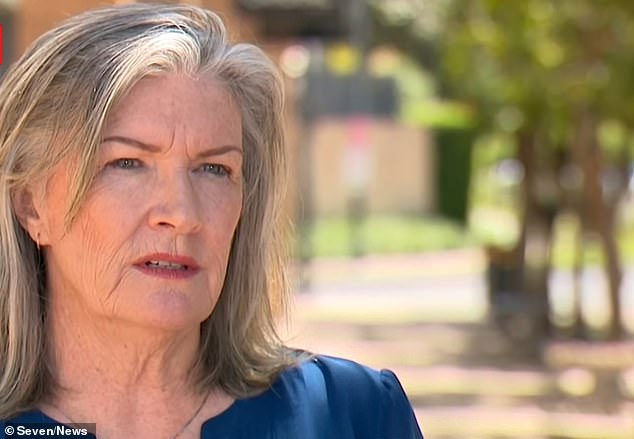
Tess Ogara (pictured) was counting down to retirement and the prospect of finally becoming mortgage-free when she received an email informing her that her super savings were gone
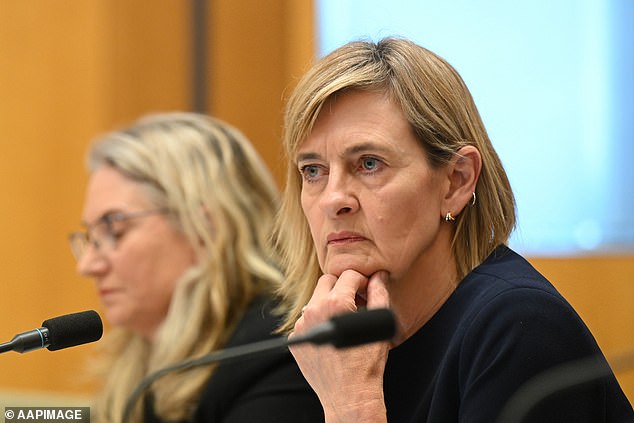
The Australian Securities and Investment Commission has launched extensive regulatory and legal actions into the collapse of the First Guardian Master Fund. ASIC chair Sarah Court is above
Ms Ogara said she was sold the investment as a 'diversified' product, only to later discover more than 90 per cent of her retirement savings had been funnelled into a single firm, Falcon Capital, via First Guardian.
'I am furious at the financial adviser who allowed my investment to be structured this way without making it clear to me that it was high risk,' Ms Ogara said.
ASIC later ruled that she had lost $538,000, and her claim is now being assessed by the Compensation Scheme of Last Resort (CSLR).
But even if she receives the maximum CSLR payout of $150,000, she will still be left hundreds of thousands of dollars out of pocket.
The losses have also shattered her retirement plans.
Ms Ogara said she never imagined it was possible to lose her superannuation savings, having wrongly believed that Australians' retirement savings were effectively guaranteed by the Federal government.
'I did not sleep a wink for the first couple of nights and, for months afterwards, would wake up in the middle of the night replaying over and over again how I had ended up in this position,' she said.
'The thought of losing that much money - money I had spent more than 40 years accumulating - was so devastating... I couldn't cope.'
Victims of First Guardian have called on the Federal Government and regulators to make it impossible for situations like this to occur in the future
To make ends meet, Ms Ogara said she has had to rent out a room in her house.
'I have interest payments of between $2,000 and $2,500 a month. Since turning 65, I have already paid more than $33,000 in interest on a mortgage I should not still have.
'I cannot see any way of retiring for at least another 10 years unless the government helps cover my losses now and then seeks to recover the money through the courts.'
ASIC is currently conducting multiple investigations into the conduct of the First Guardian Master Fund and its directors, including David Anderson, who allegedly siphoned millions of dollars from the fund into his personal ANZ bank account.
ASIC also alleges Anderson moved $274million offshore after learning he was under investigation.
Before the fund went under, he purchased a $9million mansion in Melbourne's Hawthorn.
Fellow director Simon Selimaj, 63, had a $548,000 Lamborghini Urus registered in his name, which is alleged to have been bought using money from the fund.
Liquidators say just $1.6million has so far been recovered from the $1.2billion collapse.
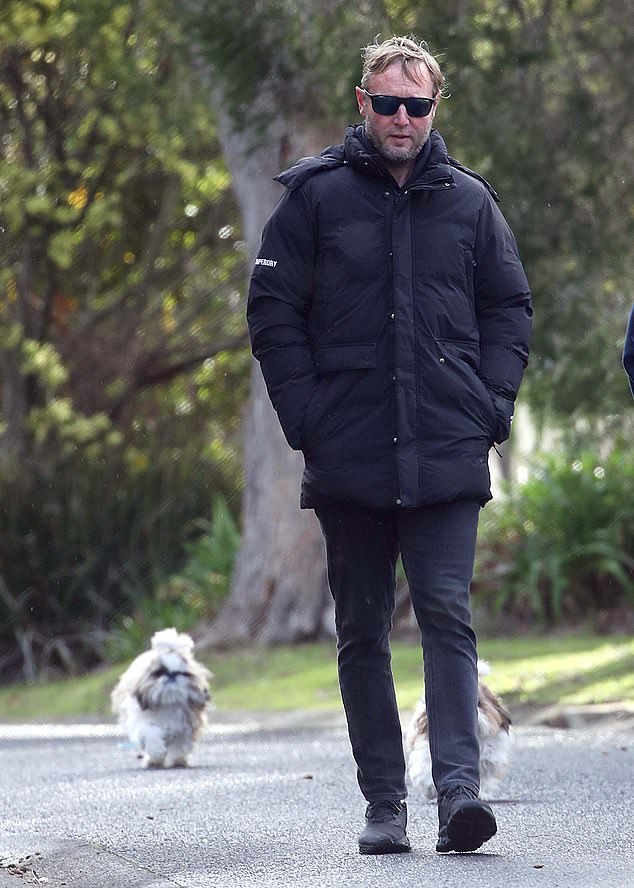
David Anderson (pictured) - a director of collapsed financial group First Guardian - is seen above during a peaceful stroll on Phillip Island last year
First Guardian investor Melinda Kee, who leads advocacy group SOS Save Our Super, is pushing for the retirement savings of about 12,000 Australians caught up in the collapsed Shield and First Guardian funds to be restored.
'I speak to people who have postponed retirement because they simply can't afford to stop working,' Ms Kee said.
'I've spoken to grandparents who planned to help their grandchildren through university but now worry whether they'll have enough money to support themselves.
'I've seen marriages buckle under the strain and spoken to people who have quietly admitted they've considered ending their lives because they couldn't see a way forward.
'For most Australians, losing your retirement savings isn't just a financial event. It changes how you see the future.'
Ms Kee said the debate should now move beyond the courtroom and into Parliament, arguing Australia's laws surrounding superannuation had failed to keep pace with large-scale financial collapses affecting thousands of investors.
'These aren't isolated disputes involving a handful of people,' she said.
'They involve hundreds of millions of dollars, thousands of investors and investigations that can drag on for years while families wait for answers.
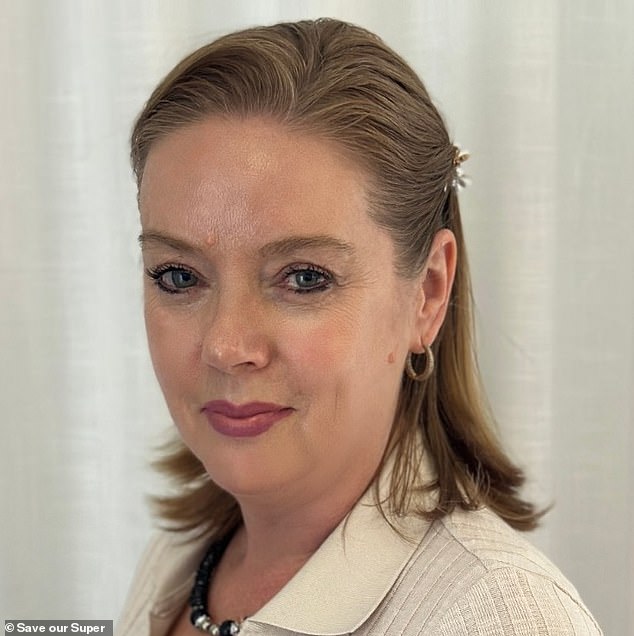
First Guardian investor Melinda Kee (pictured) is pushing for the retirement savings of about 12,000 Australians caught up in the collapsed Shield and First Guardian funds to be restored
'The conversation around this needs to change.'
Ms Ogara said she had always considered herself financially cautious.
'I am not a risk-taker. I don't gamble. My advice has always been simple: if you're not prepared to lose the money, don't risk it.
'But I had no idea my money was at risk.
'I thought superannuation was safe. Like most Australians, I believed the money would be there when I retired.
'Most of us aren't finance experts or business people. We work, earn a wage and watch our super slowly grow over decades, believing we'll be able to retire with dignity.
'But as things stand, I will have to keep working until I physically can't anymore, then survive on the pension.
'I won't pay off my mortgage in my lifetime, meaning my beneficiaries will inherit debt instead of security.'
Source link