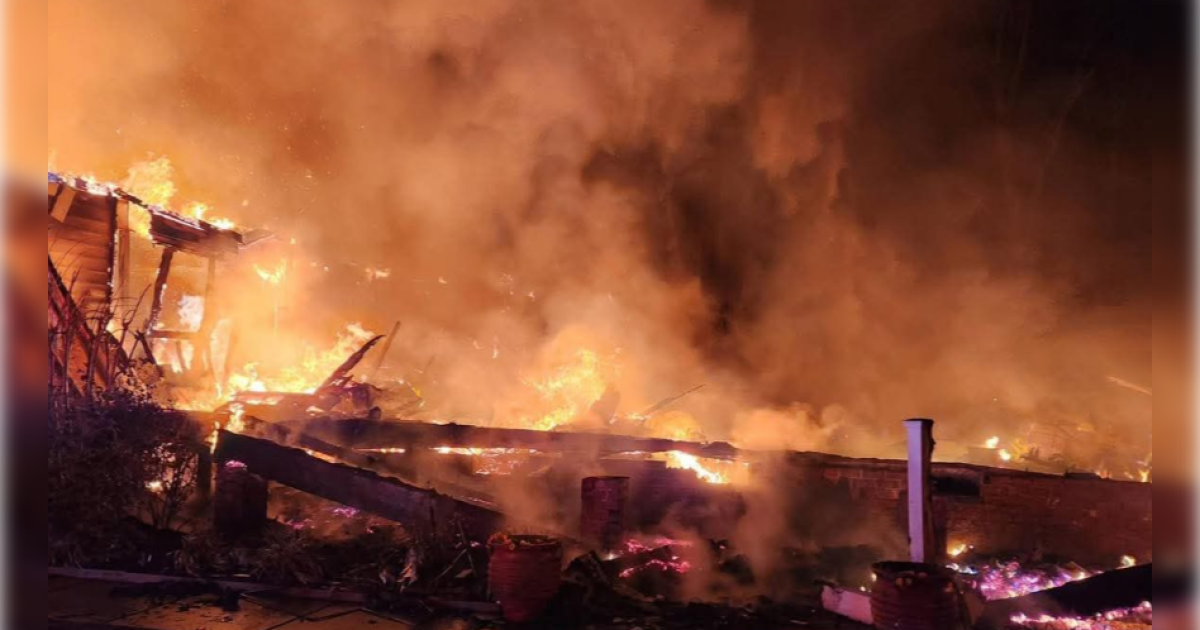


In June, after days of missile barrages that failed to bring about a Ukrainian surrender, then-Defense Minister Mykhailo Fedorov said, "Russia launched 30 ballistic missiles at Kyiv just days ago. That is the maximum Putin can show. He cannot advance on the battlefield and achieve his goals with Shaheds or cruise missiles. So he fires everything at civilians and calls it strength."
He went on to observe, "When the battlefield does not give Moscow victory, the Kremlin tries to manufacture fear from the sky. That is not strength. It is frustration with a missile trail."
Mykhailo Fedorov was a 35-year-old technocrat who had previously transformed Ukraine's digital governance as Minister of Digital Transformation through the Diia platform before being appointed Defence Minister in mid-January 2026, where he pushed rapid modernization of the armed forces through drone warfare, cyber operations, and procurement reform.
He was widely popular among Ukrainian soldiers, civil society, and the tech sector, credited by lawmakers as one of the most effective wartime officials for driving drone-warfare innovation, disrupting Russian use of Starlink, and ramping up drone procurement to levels exceeding, in some categories, the prior full year's totals within just months.
Fedorov's dismissal on July 15, 2026, was immediately controversial, and the true reason behind it remains something of a mystery. Officially framed as part of a broader cabinet reshuffle, the decision was in fact driven by a tangle of overlapping and disputed factors, from a deep rift with Ukraine's top general to resistance against his procurement reforms to mounting political pressure over mobilization shortfalls.
President Volodymyr Zelenskyy dismissed Fedorov after only about six months in the role, following parliament's acceptance of the resignation of Prime Minister Yulia Svyrydenko and, with it, the entire government, after which Zelenskyy chose not to renominate Fedorov. Zelenskyy and multiple reports framed the core issue as an unresolved, systemic conflict between Fedorov and then-Commander-in-Chief Gen.
Oleksandr Syrskyi and parts of the General Staff. Zelenskyy said the two sides could not work together effectively, that communication often had to go through him, and that he could not allow the Defence Ministry and military command to fight each other during wartime. He indicated he ideally wanted to replace both men but could not do so simultaneously, and initially kept Syrskyi in place.
Fedorov's technology-first approach clashed directly with Syrskyi over differing visions of the war. Fedorov pushed aggressive prioritization of drones, unmanned systems, asymmetry, speed of innovation, digital tools, and long-range strikes, including against Russian infrastructure and oil refining, and blocked or deprioritized some traditional artillery ammunition purchases in favor of drones.
Syrskyi and parts of the traditional command insisted artillery and conventional needs remained critical for the grinding eastern trench fighting and resisted aspects of the tech-heavy overhaul. Fedorov later described the friction as a "conflict in worldviews" regarding how to wage the war rather than a personal feud, and it reportedly grew to the point where the two leaders would only communicate through presidential mediation, presenting Zelenskyy with a choice between his defense minister and his top general.
Fedorov also prioritized overhauling Ukraine's arms-buying and defense procurement systems. He moved procurement toward competitive tenders, greater transparency, and audits that identified overspending. He also sought to reduce the influence of favored or well-connected contractors.
Critics inside the system accused his ministry of making procurement decisions independently of General Staff requests.
In subsequent interviews with outlets including Ukrainska Pravda, Fedorov said that cleaning up tenders caused deep dissatisfaction among entrenched interests within and around the defense establishment. He said those groups pressured the executive leadership to oust him. He explicitly blamed resistance to the procurement and tender overhauls for generating powerful opposition and negative media pressure that reached the president.
Broader reform friction also stemmed from resistance to changes in management culture, commander rotations, resource allocation, and bureaucracy. Some ruling-party voices privately described his reforms as incomplete, or "slides."
Mobilization was Ukraine's single most sensitive domestic issue during Fedorov's six months in office.
By early 2026, the Ukrainian Armed Forces were facing severe manpower shortages. Exhausted frontline units lacked regular rotations, prompting military commanders to demand hundreds of thousands of fresh troops to offset Russia's attritional offensives.
As of mid-2026, men aged 25 to 60 remained subject to compulsory mobilization if they were fit for service and did not qualify for a legal deferment, exemption, or reservation. Men aged 18 to 24 were generally not subject to forced mobilization and could instead volunteer under programs such as "Contract 18-24."
Speaking to parliament on Jan. 14, Fedorov revealed that roughly 2 million Ukrainian men were actively evading military call-up, alongside 200,000 troops reported as deserted or AWOL. Military journalists have noted that the AWOL figure is somewhat inflated by soldiers who unofficially transfer units to bypass broken bureaucracy.
Drawing on his background as minister of digital transformation, Fedorov took a technocratic approach to conscription. He expanded the Reserve+ app to automate deferments and make mobilization more transparent and efficient.
Traditional military commanders viewed these digital reforms as too slow for the urgent battlefield reality. They preferred direct, aggressive enforcement and immediate troop allocations. Fedorov's plans, which included higher pay incentives to boost voluntary enlistment, were repeatedly flagged by lawmakers as expensive and unfunded. They also ran into budget constraints and legislative gridlock in the Verkhovna Rada.
When digital recruitment could not quickly fill the troop quota demanded by army high command, responsibility for the continuing conscription shortfall fell directly on Fedorov. He found himself caught between generals who said his methods were failing to meet frontline needs and civilians who opposed stricter draft measures.
When Zelenskyy sought to resolve the growing feud between the Defense Ministry and the top military command during the July 2026 cabinet reshuffle, Fedorov's lack of rapid progress on mobilization made him politically expendable.
Fedorov publicly rejected characterizations of a purely personal conflict with Syrskyi, describing it instead as a clash of worldviews. He pointed to achievements including ramping up drone procurement, disrupting Russia's use of Starlink, improving procurement savings, and advancing other technology initiatives.
Speaking to reporters on July 23, he named the presidency, the defense ministry, and the commander-in-chief post as the only three political positions that, "alongside the troops on the battlefield, actually shape the course of the war." He also indicated he would accept the defense minister post again only if it would meaningfully affect the war effort.
Analysts and opposition figures also pointed to political factors behind the dismissal. They suggested Fedorov's rapid rise in popularity as a young, visible, tech-oriented reformer associated with battlefield momentum and drone successes made him a potential rival or someone who risked "outshining" the president.
An American military volunteer who has spent several years working alongside the Ukrainian army attributed opposition to Fedorov's removal to "old Soviet-minded commanders and politicians" who "don't like him because he thinks differently." The volunteer also credited Fedorov's tenure with Ukraine "tak[ing] back the initiative over the past year" through the "middle strike campaigns," "defense in depth," and strikes on the Russian shadow fleet.
Public and political reaction in Ukraine to the dismissal was swift, highly vocal, and largely hostile.
Fedorov's firing triggered rare wartime street protests, sometimes called the "pro-Fedorov protests" or the "Cardboard Maidan," in Kyiv, including outside Ivan Franko Square, and in other major cities. Demonstrators demanded his reinstatement and criticized the decision as a mistake that would harm the war effort.
The protests continued for days and soon expanded to include demands for Syrskyi's removal.
Several officials resigned in solidarity with Fedorov, including key commanders in the Ukrainian Air Force. Some foreign partners and Ukrainian voices also expressed concern that the dismissal risked undercutting recent battlefield gains.
Political analysts and prominent commentators criticized Zelenskyy for prioritizing military hierarchy over necessary anti-corruption and technological reforms.
The intense public outcry forced Zelenskyy to address the institutional rift directly. Just six days after firing Fedorov, he dismissed Commander-in-Chief Oleksandr Syrskyi on July 21, 2026.
Zelenskyy appointed Maj. Gen. Mykhailo Drapatyi, a reform-minded general widely seen by protesters and soldiers as the preferred replacement, as the new commander-in-chief. He also announced other senior military changes, including the appointment of a new chief of the General Staff.
Maj. Gen. Yevhenii Khmara, previously linked to SBU deep-strike operations, was installed as acting defense minister while the search for a permanent replacement continued.
Protests eased somewhat after Syrskyi's ouster but did not fully disappear. Fedorov has remained outside the government while affirming his willingness to return specifically as defense minister.
In a recent televised interview with a Ukrainian journalist, when asked what he planned to do next, Fedorov replied, "As long as protests continue in the country, where my name is heard, as long as there is no clear 'no,' I have no moral right to think about going into business or engaging in any other activity."
He also made clear in a post on X that he has no intention of leaving Ukraine or abandoning the war effort. "I will remain in Ukraine. I will not leave to work for another country… My mission remains the same: defeating the enemy through asymmetry, the speed of innovation, and the power of organization."
For now, Fedorov remains outside government, his future uncertain, while analysts continue to debate exactly why he was dismissed in the first place.
The post Ukraine Defense Reshuffle: Why Did Ukraine Fire Its Popular Defense Minister? appeared first on The Gateway Pundit.
Source link