This week marks the beginning of Brazil's presidential campaign, with the two front-runners—current President Luiz Inácio Lula da Silva and Senator Flávio Bolsonaro—officially launching their campaigns. After visiting Brazil and talking with politicians, activists, journalists, and ordinary citizens, I came away with the conviction that this is one of the most consequential presidential elections in Brazil's recent history. The outcome on October 4 will shape not only Brazil's future but also the political direction of Latin America.
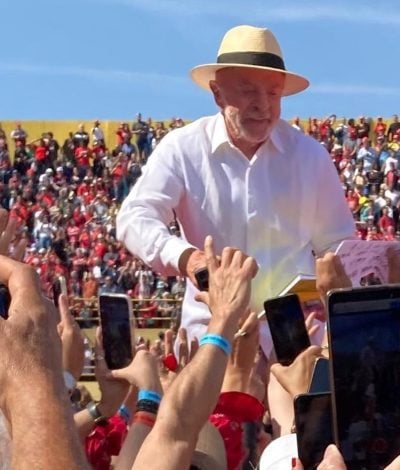
President Luiz Inácio Lula da Silva, now 80 years old, is seeking a fourth presidential term. Brazil's Constitution allows presidents to serve only two consecutive terms, but they may run again after sitting out at least one term. That is how Lula returned to office in 2023 after governing from 2003 to 2010.
Following the four-year presidency of the far-right Jair Bolsonaro, Lula's supporters say he has rebuilt many of the institutions and policies weakened under Bolsonaro. His government has reduced hunger, expanded social programs, strengthened