Each autumn, during the last five nights in October, there is a blackout on Corvo island—but it's not by accident.
On the small island in the Portuguese Azores, more than 400 residents are protecting some of the world's most vulnerable birds, while setting an example for the region.
Last week, the public lighting on Corvo was completely turned off at 9:00pm, until 4:00am, for five nights during a critical period for young seabirds.
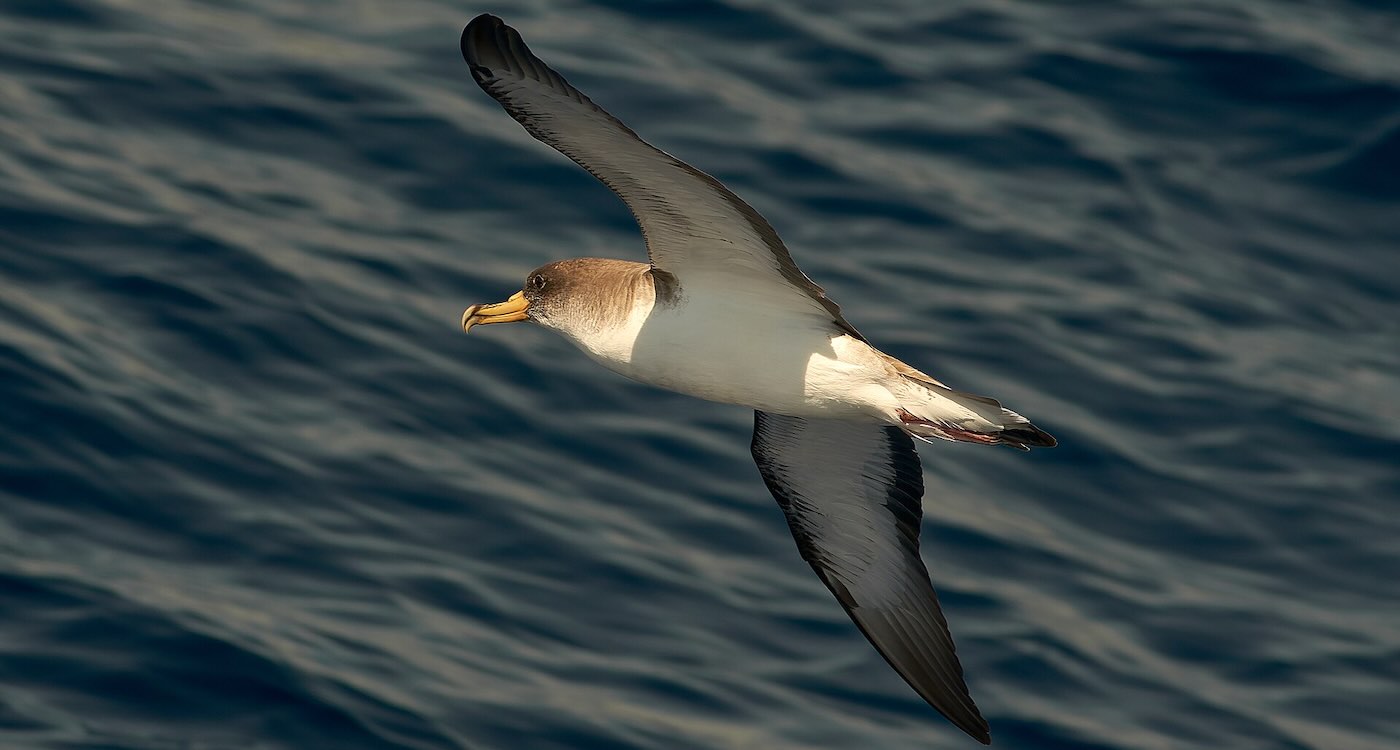
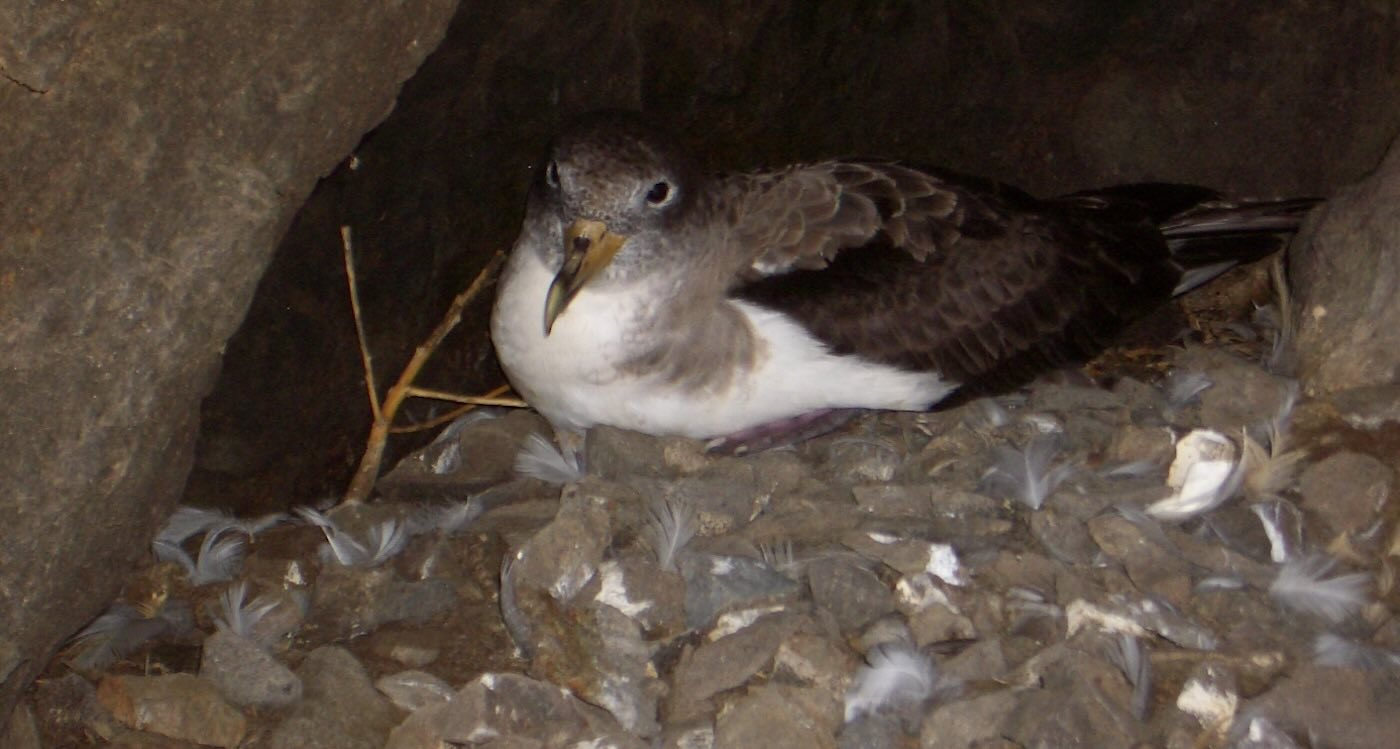
At this time of year, birds like Cory's Shearwater are leaving the nest and heading out to sea. To avoid predators, they do so at night, but the lights from our towns and cities often blind them, and the disoriented birds end up grounded, not only in the Azores but also in Madeira and the Canary islands, for instance.
But, the Azores archipelago is an absolutely critical habitat for this species, hosting roughly 65% to 75% of the entire world's breeding population.
Since 2019, the Portuguese Society for the Study of Birds (known as SPEA) has partnered with the local governing body, Câmara Municipal do Corvo, for the week-long blackouts.
And, dozens of volunteers help the lost birds get back to sea every year, even using cardboard boxes.
"Locals and authorities have increasingly recognized the impact of light pollution on birds and the importance of an energy efficiency policy to protect these species," said the group.
"Since 2017 the municipality has turned off public lighting during the most critical periods of the SOS Cory's Shearwater campaign."
"The blackout, which garnered unanimous support in a SPEA survey of 207 Corvo inhabitants, is part of two projects—Interreg LuMinAves, which aims to mitigate the impact of light pollution on seabirds, and Interreg EElabs, which focuses on sustainable use of artificial lighting.
"SPEA and our partners on these projects hope that other towns and islands throughout the region will follow Corvo's example, turning off the lights at crucial times."
The Guardian reports—in a beautiful photo essay—that more than 30,000 Cory's shearwater fledglings have been rescued in the Azores since 2015, thanks to the campaign—including about 6,000 of them on Corvo alone.
MORE BIRD STORIES:
• This Curious Bird Had Never Been Seen Before, and its Discovery Changed Ecuador–Perhaps Forever
• White Storks Make Historic Return to England After 600-year Absence
• Birdwatching Rewires the Brain and Slows Cognitive Decline
Other seabird rescue campaigns promoted by SPEA-BirdLife are currently underway and will continue until November 5th, mobilizing volunteers to rescue seabirds that fall ashore.
The group also organized a blackout on Madeira Island last Thursday to help more Cory's shearwaters reach the sea safely, and also to educate the population, businesses, and institutions to be aware of unnecessary outdoor lighting for the sake of juvenile seabirds in Madeira and Porto Santo.
SHARE THE BEAUTIFUL BIRD RESPECT —> On Social Media…
Source link