DW Opinion
The Seven Day Solution For American Elections
For election integrity and taxpayers' sake, shorten the early voting window.
 David Warren Listen Listen 6 min
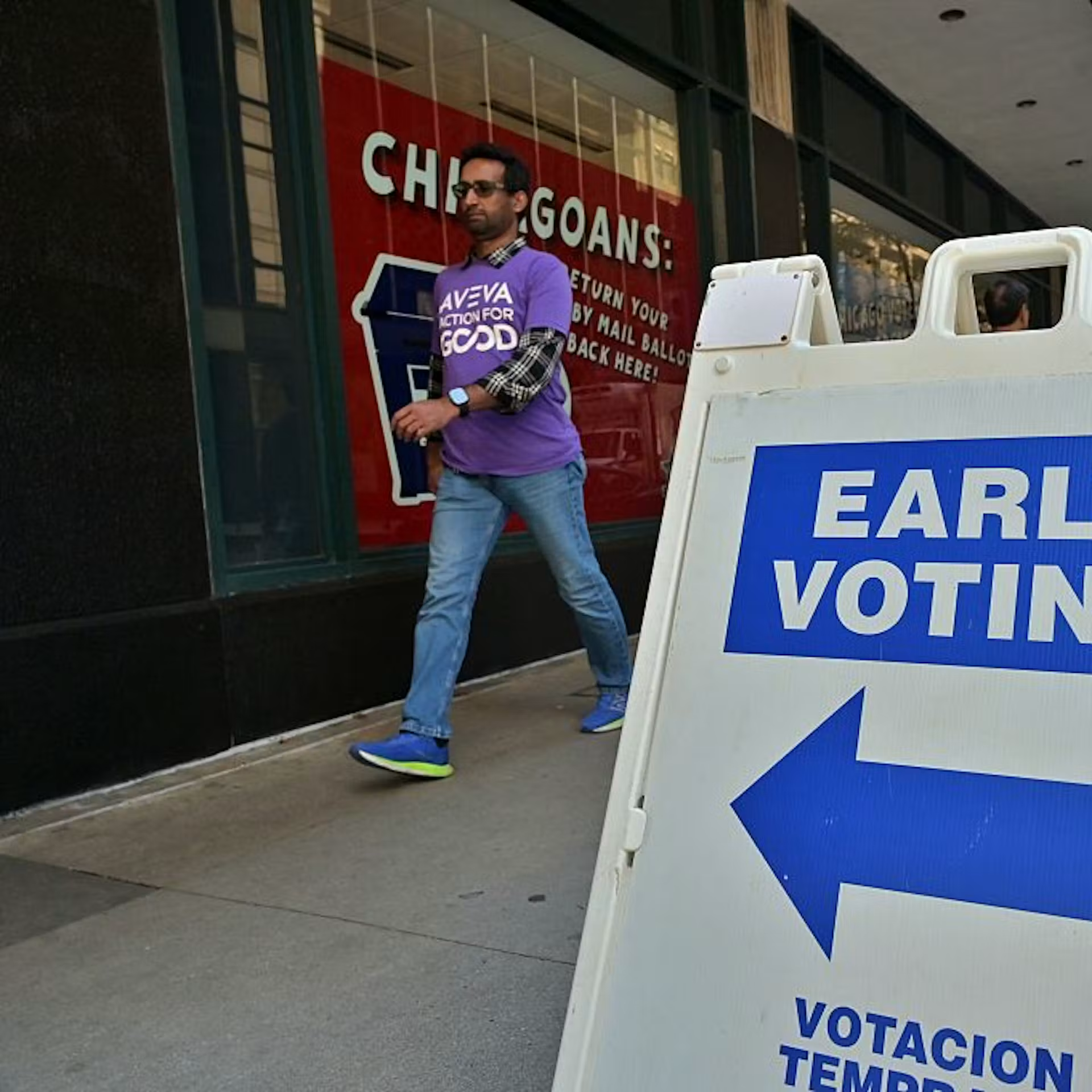
Early voting is out of control. While providing flexibility for voters can improve access and reduce Election Day congestion, the length of the voting period raises important questions about election administration, ballot security, chain of custody, staffing, taxpayer costs, and public confidence.
The goal should be to balance voter access with a manageable, transparent, and secure election process. A national framework should establish common principles while allowing states to determine an appropriate early-voting period based on their laws, administrative capacity, and voting systems.
With some states opening official polling places as early as 46 days and a national average of 20 days, the problem has become untenable. We need early and absentee voting reform now.
How we got to this situation is a far longer story than expected. While the COVID-19 pandemic is rightfully credited with the dramatic expansion of early and absentee voting, the roots run much deeper into American history, beginning, as many political disasters have, with the best of intentions. During the Civil War, the United States introduced absentee voting to ensure soldiers stationed far from their polling places could still exercise their well-deserved suffrage while risking their lives for the Union.
Absentee voting as we now recognize it, however, didn't emerge for over a century, until California pioneered no-excuse absentee ballots in the 1980s, allowing voters to no longer need a specific reason to request them. In 1991, Texas introduced in-person early voting, with the state legislature requiring counties to open polling places for a minimum number of days before the election. By 2000, 22 states joined the Lone Star State, opening polling places in the days leading up to Election Day.
But the pandemic period in 2020 is when this already growing issue exploded into the mess we're currently facing. Citing public health concerns and a desire to reduce crowds during the lockdown period, states dramatically expanded early and absentee voting for the 2020 election and have since only further expanded these privileges, rather than rolling back to pre-pandemic levels.
This takes us to today. As of April of this year, 47 states and Washington, D.C., offer early in-person voting to all voters, with varying durations and arrangements.
The issue is not simply that early voting exists. Some states permit voting to begin weeks before Election Day. In-person voting can range from three to 46 days, according to the National Conference of State Legislatures, and some states may legally begin voting as early as 50 days before the election.
This variation raises a legitimate policy question: how long does the voting period need to be to give people reasonable opportunities to vote while allowing election officials to manage ballots, personnel, equipment, and security procedures effectively?
A longer voting period is not, by itself, evidence of election misconduct or compromised results, but it does increase the risks. As the period expands, election administrators must maintain reliable procedures across more days, locations, personnel, and ballots. Each additional day adds countless variables and therefore opportunities for security to be jeopardized, as well as driving up the costs to taxpayers. In North Carolina, for example, it costs around $10,000 to keep a single polling location open for a single day. With thousands of early voting polling places across the country, each day of early voting costs tens of millions.
Shrink the allowed in-person early voting window to a defined period. Seven to 15 days would reasonably balance protecting election integrity with ensuring enough voters can participate in the democratic process.
A seven-day model would be preferred, a concentrated voting period that includes weekday, evening, and weekend opportunities, allowing voters flexibility while limiting the length of the early voting operation. This model would be the standard, and any states that can follow it would be expected to keep voting within the week. The eight- to 15-day model is the compromise. The longer period would be for states or jurisdictions that demonstrate an actual need for additional voting days because of population, geography, accessibility, or administrative requirements.
This limited proposal dramatically reduces the risks while preserving reasonable access for voters with disabilities, people who work inflexible schedules, rural communities, military personnel, and voters who cannot easily reach a polling location. Mail and absentee voting would need to be addressed separately, as shortening in-person early voting does not automatically shorten the period for requesting, returning, or processing mail ballots.
Election reform is not meant to make voting unnecessarily difficult. Instead, the goal is to establish procedures that are accessible, secure, transparent, and practical to administer.
The country already operates under a wide range of early voting schedules. That variation provides a basis to study how a shorter, clearly defined period can maintain access while improving administrative consistency.
No state needs over a month of early in-person voting. A well-designed, specific period could meet voters' needs while supporting effective election administration.
***
David Warren is the Principal of Jack Lucas Consulting and former North Carolina Election Integrity Director for the Republican National Committee.
Create a free account to join the conversation!
Already have an account?
Log inSource link