
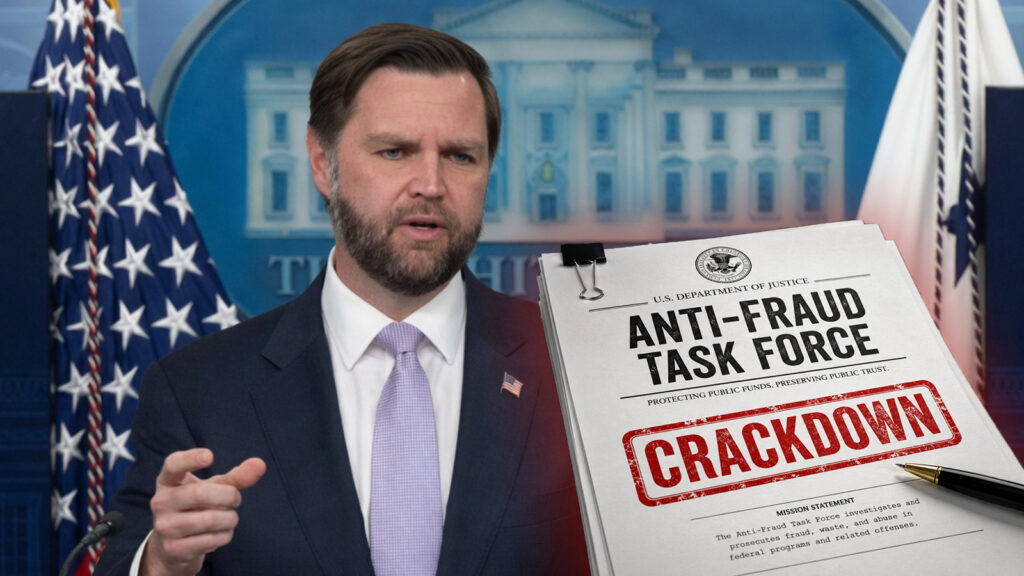
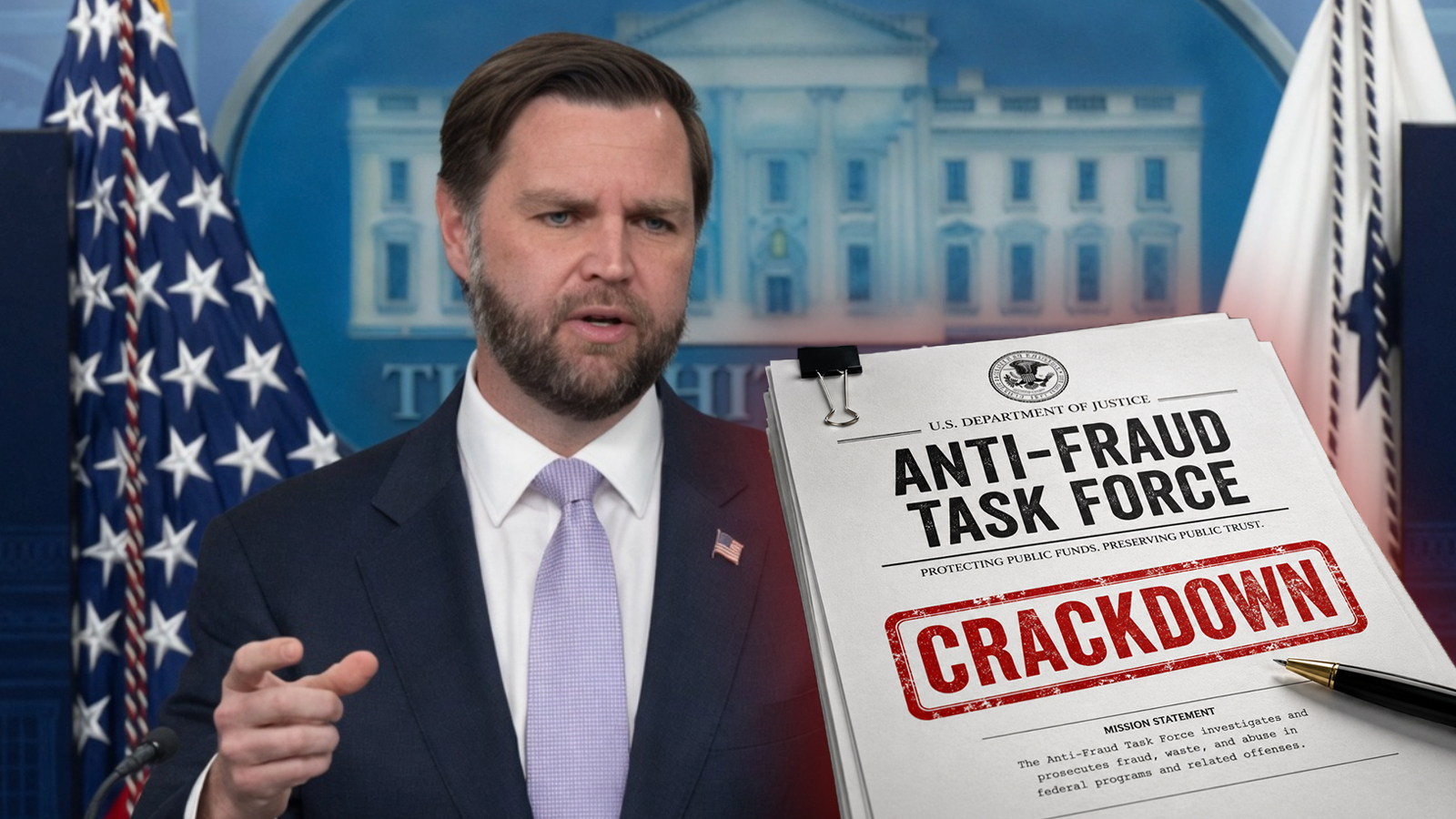
During an anti-fraud roundtable Wednesday, White House Domestic Policy Council Director Vince Haley outlined ten proposals aimed at combating fraud in welfare programs.
“Fraud steals taxpayer dollars, but such corruption steals something even more precious. It steals the blessings and benefits of work,” Haley said.
“The greater injustice is not stealing money from taxpayers,” he added. “It is taking purpose from another human being and diverting resources from the truly needy.”
Haley’s recommendations included proactive verification measures targeting both welfare beneficiaries and the establishments that accept government benefits.
Among his proposals, Haley called for ensuring that every Medicaid provider and SNAP retail store is “legitimate and eligible for payment” before receiving funds, rather than “paying first and checking later.”
He also proposed prohibiting “high-risk retailers such as some liquor stores and smoke shops from accepting taxpayer-funded food stamp benefits.”
Haley further recommended preventing improper Medicaid payments from being made after a beneficiary’s death, calling for Medicaid programs that pay health insurers on behalf of enrollees to immediately halt payments once a death is recorded and require insurers to return any funds collected after the enrollee’s death.
Other proposals focused on verifying recipient eligibility and preventing enrollee fraud. For example, he suggested requiring that enrollees have their immigration status verified. He also recommended ending the practice of self-attestation, instead requiring applicants to provide “proof of income and eligibility before benefits are approved.”
Haley also suggested “upgrad[ing] welfare benefit cards used for food and cash assistance to have secure chip technology with a photo and expiration date.”
Other recommendations included requiring “criminal background checks and fingerprinting for healthcare providers in categories with high rates of Medicaid fraud” and conducting monthly comparisons of welfare records “against death records, wage records, and incarceration records.”
Haley also suggested ending the practice of using “government-issued pre-populated forms to do automatic re-enrollments into Medicaid” and doubling the number of welfare fraud investigators.
“I suggest that members of Congress call out as corruption the behavior of state and local leaders who refuse to enforce common-sense fraud controls or purposely embrace loopholes that avoid individual eligibility validation, allow self-certification of eligibility, expand eligibility far beyond what Congress intended, and, as a result, trap millions of able-bodied adults into a life of dependency,” Haley said.
“Whenever public officials knowingly preserve systems that deny able-bodied Americans the blessings of work, whenever they choose to look away because dependency serves such interests, people suffer,” said Haley. “Not because they lack talent, not because they lack dignity, but because those entrusted with public authority failed to act.”
“Our responsibility is to root out fraud and corruption in our welfare systems, send people to jail who steal benefits, and make it impossible for public officials to escape their responsibility to establish systems of accountability and program integrity so that more Americans will realize the benefits and blessings of work,” Haley concluded.
Vice President J.D. Vance, who led the roundtable, urged members of Congress to codify anti-fraud measures into law, arguing that legislative action would help prevent the administration’s efforts from being undone in the future.
According to Vance, the White House Anti-Fraud Task Force has identified $230 billion worth of fraudulent funds that have been distributed through welfare programs and prevented an additional $56 billion from being improperly paid out.
Although only Republican lawmakers attended the roundtable, Vance said he hoped Democratic members of Congress would also be willing to participate in the effort to combat welfare fraud.
White House Domestic Policy Council Director @vincehaley provides ten practical proposals to members of Congress to help fight fraud in America's welfare programs:
— Rapid Response 47 (@RapidResponse47) August 5, 2026
"Fraud steals taxpayer dollars, but such corruption steals something even more precious: it steals the blessings… pic.twitter.com/I1tMXqyyXG
Source link