Washington just delivered a blunt message to Beijing: promises are no longer enough.
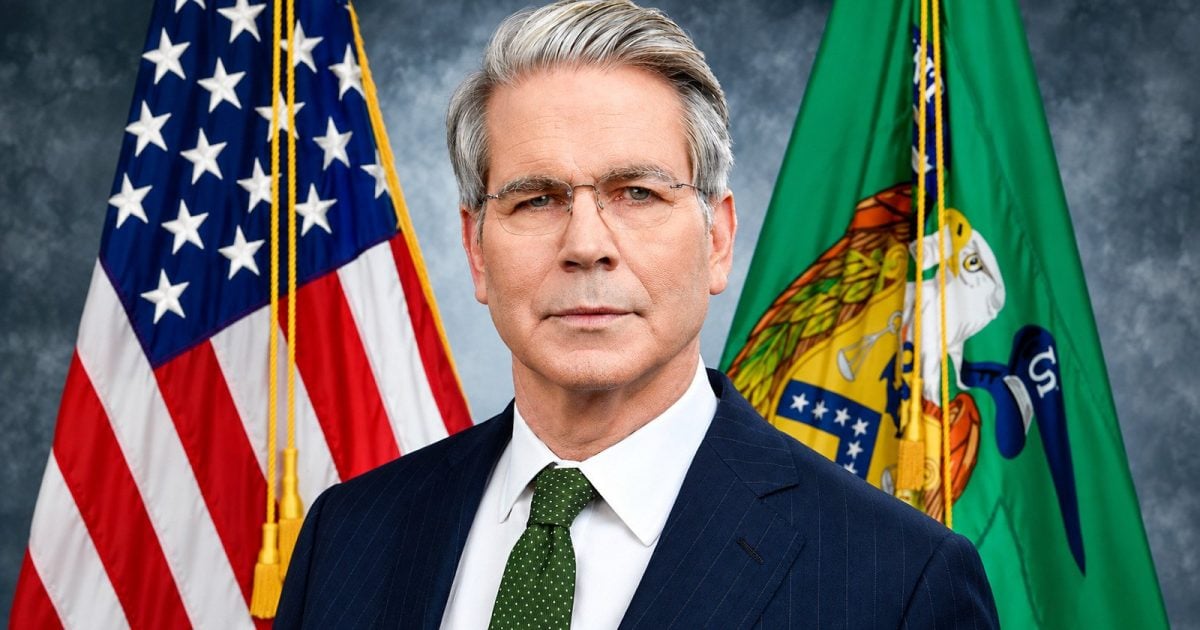
Treasury Secretary Scott Bessent and U.S. Trade Representative Jamieson Greer are demanding measurable action from China, with American farms,
factories, supply chains, and national security hanging in the balance.
Today, @USTradeRep Greer and I spoke with Vice Premier He Lifeng about the U.S.-China economic relationship and implementation of the Busan arrangement. I emphasized the importance of China fully and immediately honoring its commitments, raised concerns about recent Chinese…
— Treasury Secretary Scott Bessent (@SecScottBessent) November 6, 2026
According to the U.S. Treasury Department readout, Bessent and Greer spoke by videoconference with Chinese Vice Premier He Lifeng on November 6. The discussion focused on the broader U.S.-China economic relationship and implementation of the Busan arrangement.
The officials reaffirmed the value of direct and candid communication between Washington and Beijing. But Bessent made clear that keeping the conversation open does not replace delivering results.
He emphasized that China must fully and immediately implement its Busan commitments. He also raised concerns about recent Chinese actions, putting those concerns directly before China's top economic representative on the call.
Bessent said continued progress depends on concrete results. The United States will closely assess China's implementation rather than simply accepting another round of assurances.
That language matters because it establishes a practical test for the relationship. China's performance will be judged through observable action, and future progress will depend on what Beijing actually does.
Bessent also tied the administration's approach to the people who live with the consequences of trade policy every day. He reiterated that President Trump's trade and economic agenda is intended to benefit American workers, farmers, and businesses while strengthening both economic security and national security.
That is the real dividing line in these talks. Diplomatic language may keep the channel functioning, but American producers need commitments that lead to purchases, reliable access to materials, and stronger domestic economic conditions.
This morning, @SecScottBessent and I spoke with Vice Premier He Lifeng of the People’s Republic of China regarding the U.S.-China trade and economic relationship.
— United States Trade Representative (@USTradeRep) November 6, 2026
I underscored the critical importance of China taking concrete actions to fully implement its past commitments,…
The Office of the United States Trade Representative readout sharpened the focus even further. Greer stressed that China must take concrete action to fulfill commitments it has already made.
He specifically identified agricultural purchases, rare earths, and other critical minerals. Those categories connect the negotiating table directly to American farms, manufacturers, workers, and strategically important supply chains.
Agricultural purchases matter because American farmers and ranchers need real buyers, not vague pledges about future cooperation. When a trade commitment involves agriculture, implementation means actual commercial activity that can reach producers and the communities built around them.
Rare earths and other critical minerals carry equally serious stakes. Manufacturers depend on dependable access to vital inputs, and disruptions can reach across production networks that support American industry.
Critical mineral access also has national security implications. When essential supply chains depend heavily on decisions made in China, Beijing's conduct can affect far more than the price or timing of an ordinary shipment.
The administration says it will pursue balanced trade by monitoring compliance while seeking durable benefits for American farmers, ranchers, manufacturers, and workers. The word "durable" is important because temporary gestures will not provide the stability that producers and businesses need to plan, invest, hire, and compete.
Washington is therefore putting China's implementation under a public spotlight. Bessent and Greer are identifying the commitments, naming the affected sectors, and explaining who in America stands to gain or lose based on Beijing's actions.
America’s manufacturing renaissance is shifting into high gear thanks to @POTUS’ America First Trade Policy.
— United States Trade Representative (@USTradeRep) November 6, 2026
After shedding 202k jobs in the last two years of the Biden administration, U.S. manufacturers have added 100k jobs in 2026 alone. pic.twitter.com/zXIvHNiI0a
USTR added another domestic measure to the discussion on November 6, claiming that American manufacturers added 100,000 jobs in 2026 after losing 202,000 jobs during the final two Biden years.
That is USTR's figure, and it shows how the administration wants Americans to understand its trade posture. The White House sees trade enforcement as part of a broader effort to rebuild manufacturing strength and deliver tangible gains for American workers.
The administration's case is straightforward. If China makes commitments involving agricultural purchases and critical materials, those commitments must produce visible results that American farmers, ranchers, manufacturers, and workers can experience.
Bessent's warning also places responsibility for the next phase squarely on implementation. Direct communication can continue, but progress now depends on whether China follows through fully and immediately.
For years, Americans have watched major trade discussions generate polished statements while uncertainty remained on the ground. Bessent and Greer are signaling that the Trump administration intends to measure success differently.
The standard will be action: purchases made, commitments fulfilled, critical supply concerns addressed, and benefits delivered to the American people.
China has been put on notice. Washington will be watching the results.
Source link