On the 81st anniversary of Imperial Japan's surrender, President Donald J. Trump issued a message that rightly honors the warriors of the Greatest Generation. Those men answered the call after Pearl Harbor, fought across the Pacific at Midway, Leyte Gulf, Iwo Jima, and Okinawa, delivering total victory. More than 16 million served. Over 400,000 never returned. Their grit ended the deadliest war in history and left the American flag flying over a liberated Pacific.
Today, a democratic Japan stands as a close ally. Trump's message made plain that freedom survives only when citizens stand ready to defend it. He stressed that the America which those heroes saved remains the mightiest force for good on Earth.
Words alone would be empty. Trump promptly matched them with concrete action on national defense.
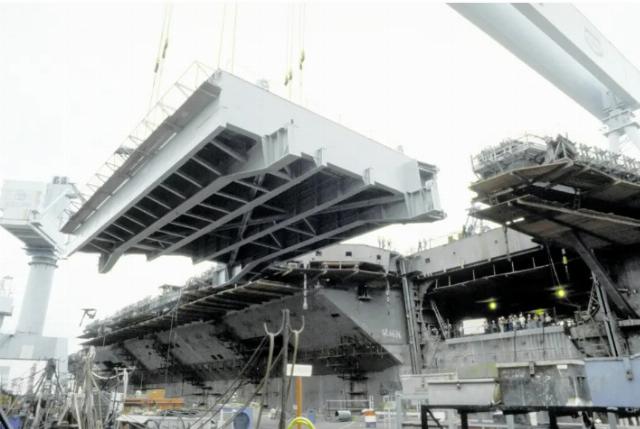
He signed a memorandum that confronts the long neglect of American shipbuilding head-on. The Navy has suffered delays, cost overruns, and canceled programs because of overly complex designs and a hollowed-out industrial base. Competition has withered. Capacity has atrophied. Trump directed the replacement of failed advanced systems on the next aircraft carrier with proven steam and hydraulic technology.
He ordered more direct investment modeled on successful foreign practices that bring jobs