All Section

Sun, Aug 23, 2026

Good News Network

Loggerhead Sea Turtles Break Nest Record in Georgia – The Most in 37 Years

Loggerhead Sea Turtles Break Nest Record in Georgia – The Most in 37 Years

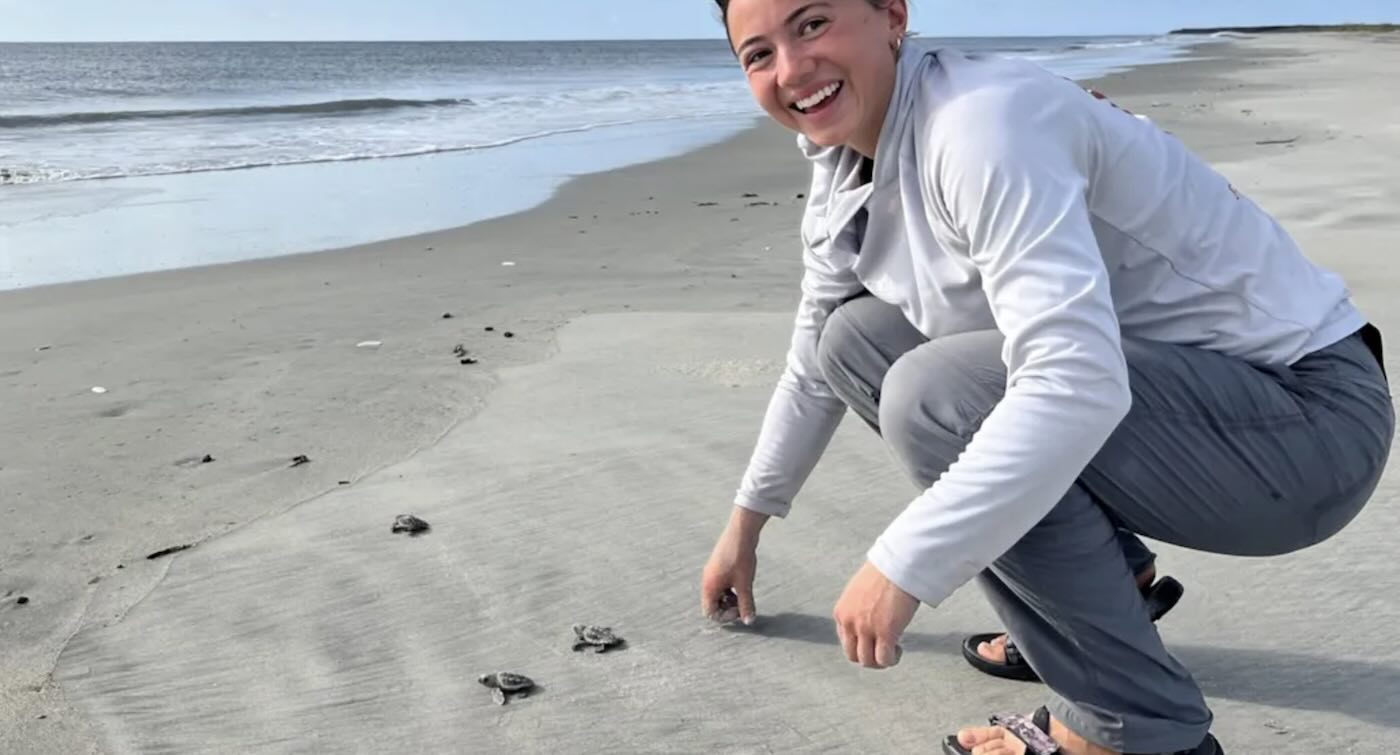
Jennie Hudson checking on loggerhead turtle hatchlings – Mark Dodd / Georgia DNR

Loggerhead sea turtle nests along the Atlantic coast in the US have set a new 37-year record, topping every annual count for beaches in the state of Georgia, going back to 1989.

The state's Department of Natural Resources calls it "a slow but steady rebound" for the animal listed as threatened under the Endangered Species Act in 1978.

According to the Georgia Sea Turtle Cooperative, the nest count passed 4,110 last week—the most since 1989, when that group of volunteers, researchers, and staffers, coordinated by the DNR, began counting nests all along the state's barrier island beaches.

In the last five summers, the record has been broken twice. The previous high was 4,071 nests in 2022—which is almost double the goal originally set in a recovery plan hatched by humans for these beloved, big-headed reptiles.

Wildlife officials are 'encouraged' by the progress of the species' restoration for a couple reasons. As big as they are—300 pounds—they develop very slowly.

"Loggerheads are a long-lived species and don't reproduce until they're 30-35 years old,"
Once Gone From Ireland, Majestic Sea Eagles Continue Their Comeback with Rare New Chick

Once Gone From Ireland, Majestic Sea Eagles Continue Their Comeback with Rare New Chick

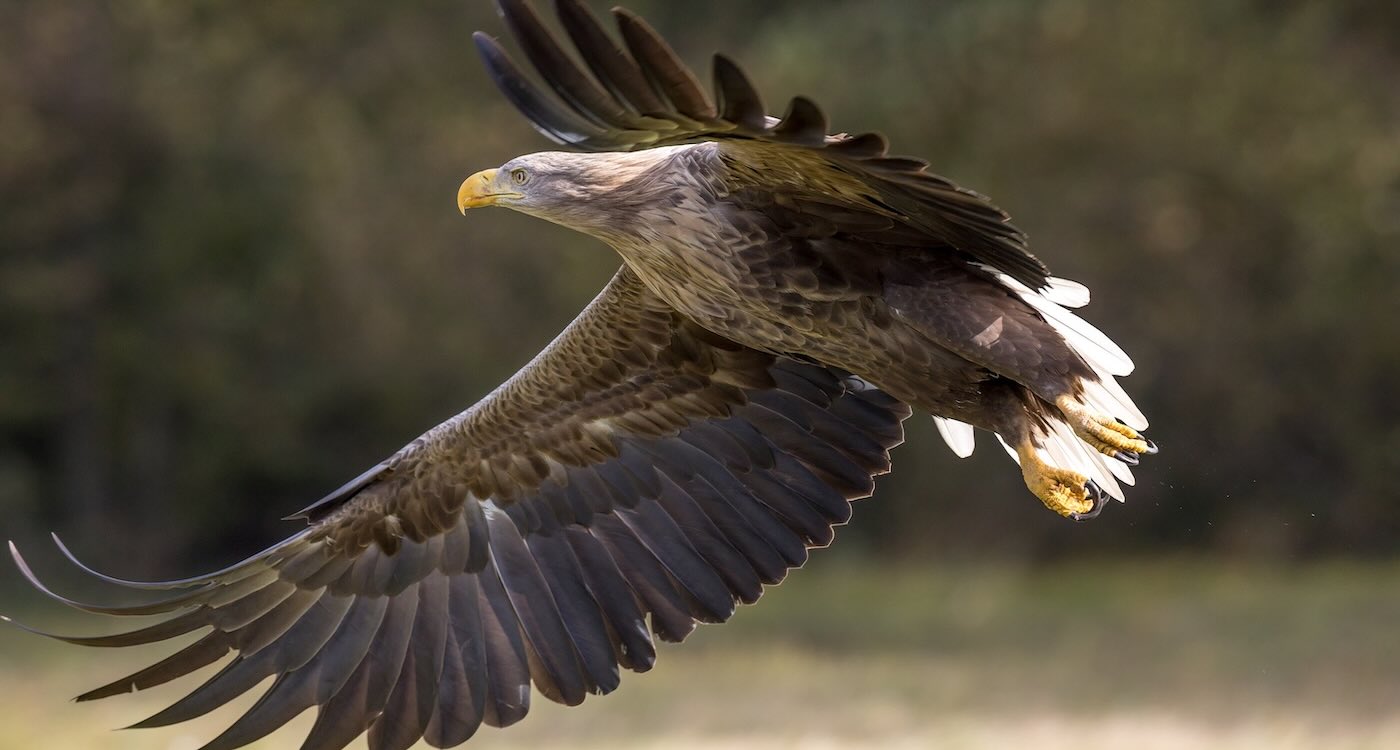
File photo – Credit: Andreas Weith (CC BY-SA 4.0)

More than a century after the country's largest bird of prey disappeared entirely from Ireland, a white-tailed sea eagle has been delivered—and the young fledgling became another success for conservationists to celebrate.

Fota Wildlife Park in County Cork has announced the successful birth and fledging of a white-tailed sea eagle chick—the first chick of the species born at the park in more than a decade.

The eaglet hatched on April 13 to resident parents Áine and Tony, who, according to their caretakers, have taken naturally to the demanding job of raising Europe's largest eagle.

"The mother and father have done a great job," said Jess Hodnett, Fota Wildlife Park's Native Species Conservation Officer.

And there's quite a lot of chick to raise.

Adult white-tailed sea eagles can have wingspans stretching more than 8 feet—an extraordinary 2.5 meters. During breeding season this puts great demand on the parents requiring them to eat 18-21 ounces of food every day (500-600 grams) to support their young.

The successful fledging carries particular significance in Ireland.

Good News in History, August 9

Good News in History, August 9

90 years ago today, track and field star Jesse Owens won his fourth gold medal at the Berlin Olympics—a first for any American athlete. Owens was cheered enthusiastically by 110,000 people in Berlin's Olympic Stadium—and later, ordinary Germans sought his autograph when they saw the world-record holder in the streets. READ what Jesse said about Hitler at the games… (1936)

German leader Adolf Hitler was using the Games to portray a resurgent Nazi Germany—and he had high hopes that German 'Aryan' athletes would dominate with victories over, what he believed to be, inferior Africans and Jews. But, Jesse Owens later recounted, "When I passed the Chancellor he arose, waved his hand at me, and I waved back at him."

More Good News on this Day:

  • Henry David Thoreau published Walden, which described his experiences living near Walden Pond in Massachusetts (1854)
  • Smokey Bear was introduced in an ad campaign for forest fire prevention in the US, wearing a ranger hat and saying, 'Only YOU can prevent forest fires' (1944)
  • The first edition of Ready Steady Go! was shown on UK television, a pop music show that ran until 1966 producing 175 episodes (1963)
  • Lauro Cavazos was

Blind Dressage Horse Wins Competitions By Using ‘Equine Braille’

Blind Dressage Horse Wins Competitions By Using ‘Equine Braille’

Megan Share riding Milo the blind horse – SWNS

Despite going blind, a remarkable horse is still on his way to becoming a dressage champion after adopting an extraordinary form of equine "braille".

The 15-year-old Appaloosa named Milo, has awed spectators since returning to the show ring last year despite losing sight in both eyes due to a devastating eye condition.

The 16-hand gelding relies on a unique combination of rider cues, hearing, and touch, to navigate his surroundings in the ring or barn.

"Milo is just an amazing horse and hasn't let blindness stop him being a potentially world-class dressage competitor."

28-year-old Megan Share has owned Milo since the horse was just three and Megan was still growing up. They had spent years competing together from their home base in England when the tragedy struck.

Today they have their 'sights' set on returning to the elite dressage ring—competing against the best sighted horses.

Megan, who runs Debdale Riding School in rural Worcestershire, explained how the communication works between this dynamic duo, and how the horse's senses have become more acute.

"He interprets my pressure on him, but he also uses his own

Leo DiCaprio Launches $200M Project to Bring 100 Most Threatened Species Back From the Brink

Leo DiCaprio Launches $200M Project to Bring 100 Most Threatened Species Back From the Brink

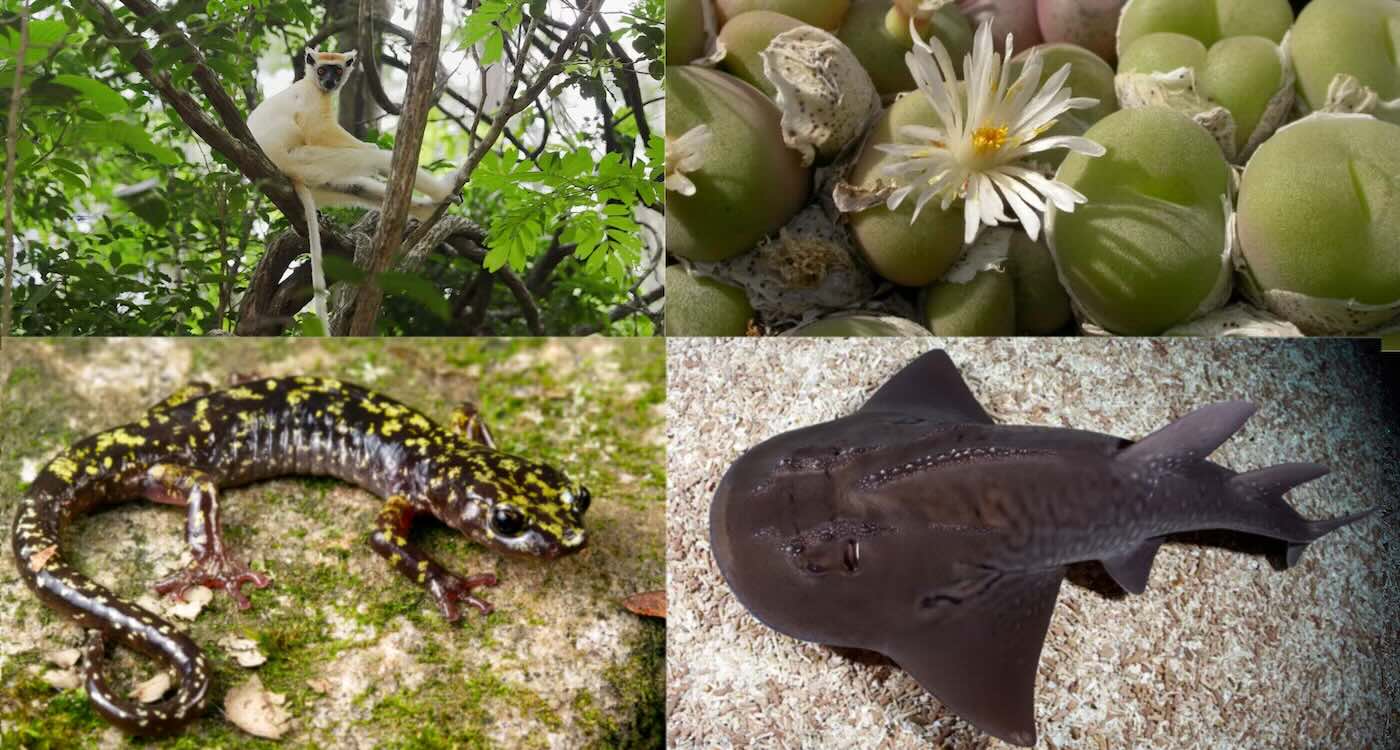
Photos (top left, clockwise): Golden-crowned sifaka (by Fanamby), fuzzy belly button in bloom (by Chris Rogerson), bowmouth guitarfish (by Mark Erdmann), and Hickory Nut Gorge green salamander (by Todd W. Pierson) – Phoenix Species Project

In 2021, Leonardo DiCaprio, the Bezos Earth Fund, and nine other conservation philanthropies launched the Protecting Our Planet Challenge, focused on protecting at least 30% of the most important land, freshwater, and marine area on the planet.

In the years since, the Hollywood actor/director continued discussions about an even more ambitious challenge to protect the most at-risk species—and he and his conservation group, Re:wild (which helps protect hundreds of threatened species in 360 locations worldwide), unveiled that big idea this week.

The Phoenix Species Project.

From rhinos and tigers, to a golden-crowned lemur, nature is full of comeback stories. Species numbered by just a handful of individuals have rebounded, when given the proper resources—and, in the process entire ecosystems have recovered.

The Phoenix Species Project builds on those good news stories.

The effort begins with a $200 million commitment to provide unprecedented support to the recovery of 100 species facing imminent extinction—including mammals,

Intricate Carvings in Ostrich Eggshells are 60,000 Years Old – and Reveal ‘Remarkable’ Human Thinking

Intricate Carvings in Ostrich Eggshells are 60,000 Years Old – and Reveal ‘Remarkable’ Human Thinking

Fragments of ancient etched ostrich eggshells from Diepkloof site -Courtesy of University of Bologna / Pierre-Jean Texier

Dating back more than 60,000 years ago, humans in southern Africa were engraving ostrich eggshells with intricate geometric patterns that—the longer we study them—look more organized than we previously realized.

A new analysis of the markings found on hundreds of eggshell fragments has revealed our ancestors' remarkable ability to organize visual space according to abstract principles.

Hundreds of the highly unusual egg fragments were found at several archaeological sites where, researchers believe, they were engraved by groups of Homo sapiens who lived in that region.

The investigation team from the University of Bologna concluded for the first time that these engravings on ostrich eggshells were not random or improvised, but followed recurring and surprisingly organized geometric rules, according to the study published in the journal PLOS One.

"We are talking about people who did not simply draw lines, but organized them according to recurring principles — parallelisms, grids, rotations and systematic repetitions: a visual grammar in embryo," says Professor Silvia Ferrara, from the University of Bologna's Department of Classical Philology and Italian

Cheese Lovers Unite: The Benefits of Full-Fat Dairy Documented in Study Without Cholesterol Rise or Weight Gain

Cheese Lovers Unite: The Benefits of Full-Fat Dairy Documented in Study Without Cholesterol Rise or Weight Gain

A display case at the Museum of Cheese in Paris – Credit: Musee du Fromage

A University of Toronto study is offering new evidence in support of full-fat dairy consumption.

The findings from a 12-week study demonstrate that three daily servings of full-fat dairy can be incorporated into a person's diet without negatively affecting their body weight (or composition), energy metabolism, or blood lipid levels.

In fact, the results, published recently in The Journal of Nutrition, show that participants who ate more dairy saw improvements in blood pressure and had higher intake of calcium, protein and vitamin D.

You may ask, why the literature keeps changing around the 'dangers' of dairy. It turns out, when the scientists reveal more, we all learn more.

Dairy products contain saturated fats, which contribute to an increased risk of cardiovascular disease, which is why dietary guidelines around the world have traditionally recommended fat-free or low-fat dairy foods.

However, Professor Harvey Anderson, in the nutritional sciences field at the Toronto University's Faculty of Medicine, says despite these concerns, numerous human studies have found no association between full-fat dairy consumption and negative health outcomes.

Some

Good News in History, August 10

Good News in History, August 10

180 years ago today, the Smithsonian Institution was first chartered, and named after the British scientist, James Smithson, who bequeathed $500,000 to create a great museum in Washington, DC—even though he had never visited the United States. With the aim of advancing science and mankind's knowledge, the federal government administers and partially funds the 19 museums (and the National Zoo) in the nation's capital. WATCH a couple videos about the great Institution… (1846)

Smithsonian castle, photo by Geri (c) 2001
The original Smithsonian museum on the National Mall in DC – By GWC

Displaying a vast collection of 1.43 million items for public view, perhaps the best thing about the Smithsonian—beyond its perfect location on the US Mall—has always been the FREE admission offered to all.

Initially funded through Smithson's estate, the institution today gets 62% of its revenue from federal funds through both congressional appropriations and federal grants. The rest comes from private or public sources, like endowments, donations, memberships, magazine subscriptions, concessions and more.

Watch an overview of the History museum, and another about how they preserved The Wizard of Oz ruby slippers after 80

Toronto Zoo Celebrates Birth of Endangered Pygmy Hippo – The Pictures and Video are Adorable

Toronto Zoo Celebrates Birth of Endangered Pygmy Hippo – The Pictures and Video are Adorable

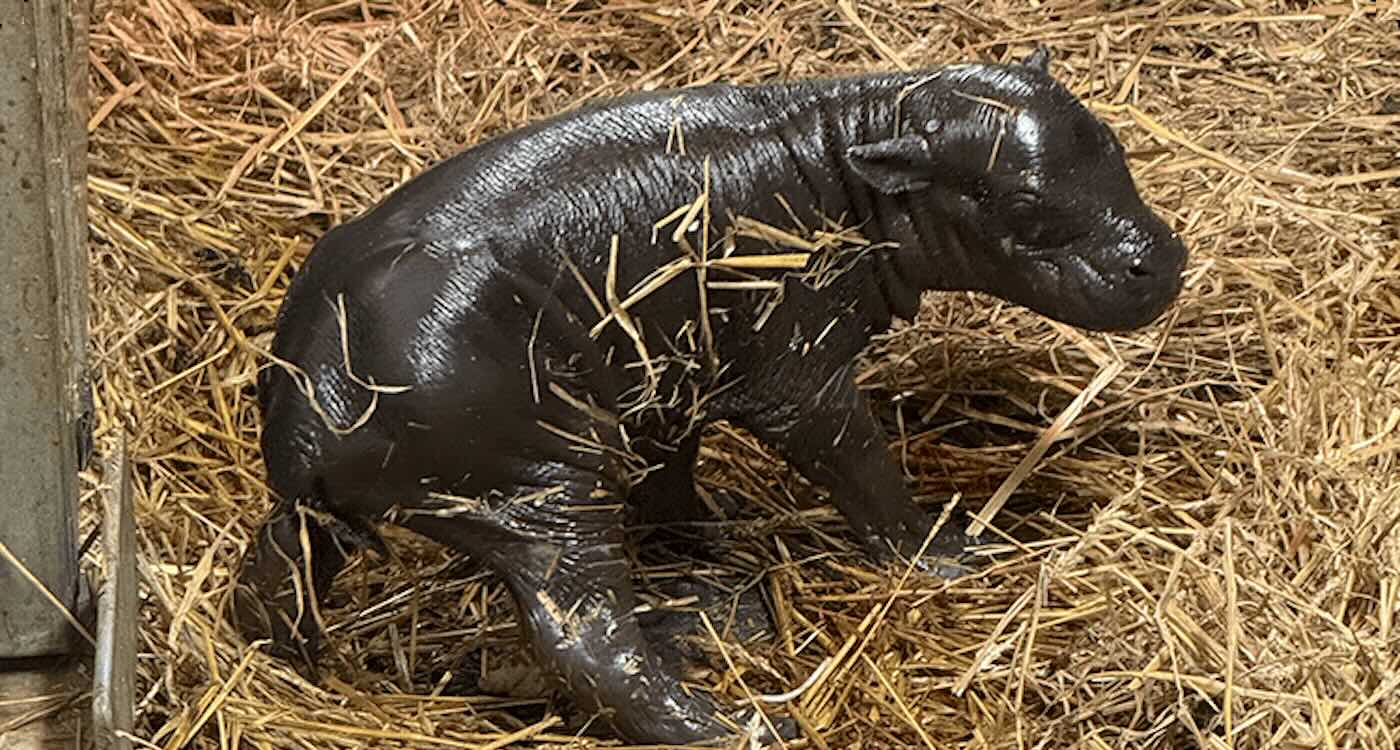
Endangered pygmy hippopotamus calf – Toronto Zoo

When you see these photos from the Toronto Zoo of their newest resident, you'll know why we had to share.

A pregnant pygmy Hippopotamus gave birth a week ago—tiny feet appearing after 1.5 hours of active labor.

The calf began teetering around in an attempt to stand within 15 minutes of birth—and was seen confidently navigating the space and nursing with mom 4.5 hours after birth. (Watch the video at the bottom…)

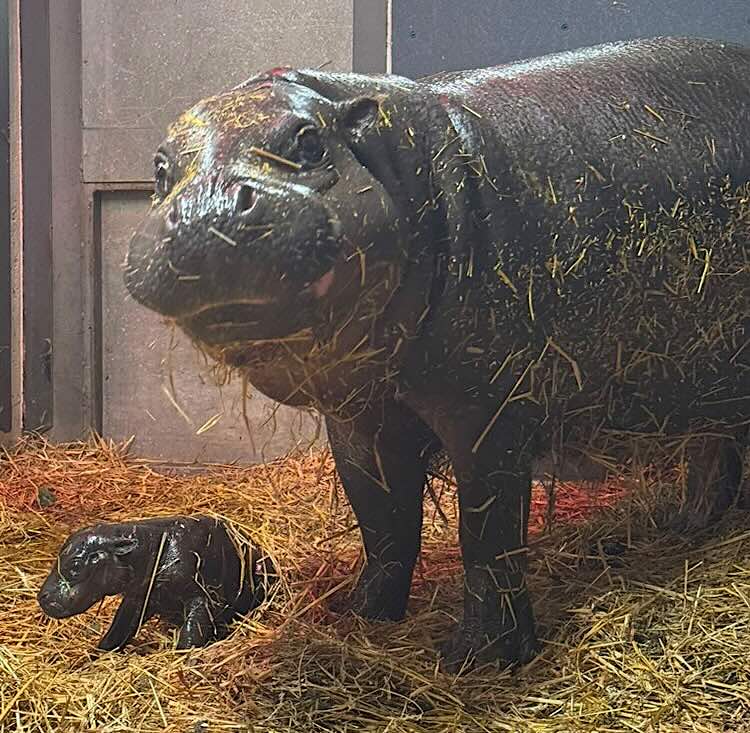
Both the calf and its 20-year-old mom named Kindia are doing well and are resting together behind the scenes enjoying a term of privacy.

Calf survival for this species can be challenging, but this is Kindia's third birth, and she has proven herself to be an attentive mother, carefully protecting the newborn beneath her.

The father is a 31-year-old male pygmy hippo named Harvey, after Kindia was introduced to him for eight days in January which resulted in this pregnancy.

Kindia (right) with her newborn – Toronto Zoo

"Welcoming a pygmy hippo calf is far more than a celebration of new life,"

New Treatment Shows Remarkable Motor Improvements in Boys With Muscular Dystrophy—in Just 12 Weeks

New Treatment Shows Remarkable Motor Improvements in Boys With Muscular Dystrophy—in Just 12 Weeks

Microscopic view of muscle tissue deficient in dystrophin -Courtesy Binghamton University

Scientists studying one of the world's most serious inherited muscle diseases have found encouraging evidence that treating children much earlier—potentially before obvious symptoms develop—could make a significant difference.

Researchers at Binghamton University in New York are studying the drug Vamorolone in very young boys with Duchenne muscular dystrophy (DMD), a progressive genetic disorder that causes muscles to weaken and eventually be replaced by scar tissue.

And the early results might have made their jaws drop.

"We were surprised at the rapid improvement of gross motor skills," said Professor Eric Hoffman, one of the researchers who helped develop the drug.

Duchenne muscular dystrophy is caused by mutations that prevent the body from properly producing dystrophin, a protein essential for maintaining healthy muscle.

Because the gene responsible is located on the X chromosome, the disease overwhelmingly affects boys, with damage actually beginning at birth—even though children often aren't diagnosed until symptoms become noticeable several years later.

That delay is exactly what Hoffman and his colleagues addressed—because restoring muscle after it has already been

When Zoo Elephants Are Rewilded in Africa, Here’s How Good Their Coping Skills Are

When Zoo Elephants Are Rewilded in Africa, Here’s How Good Their Coping Skills Are

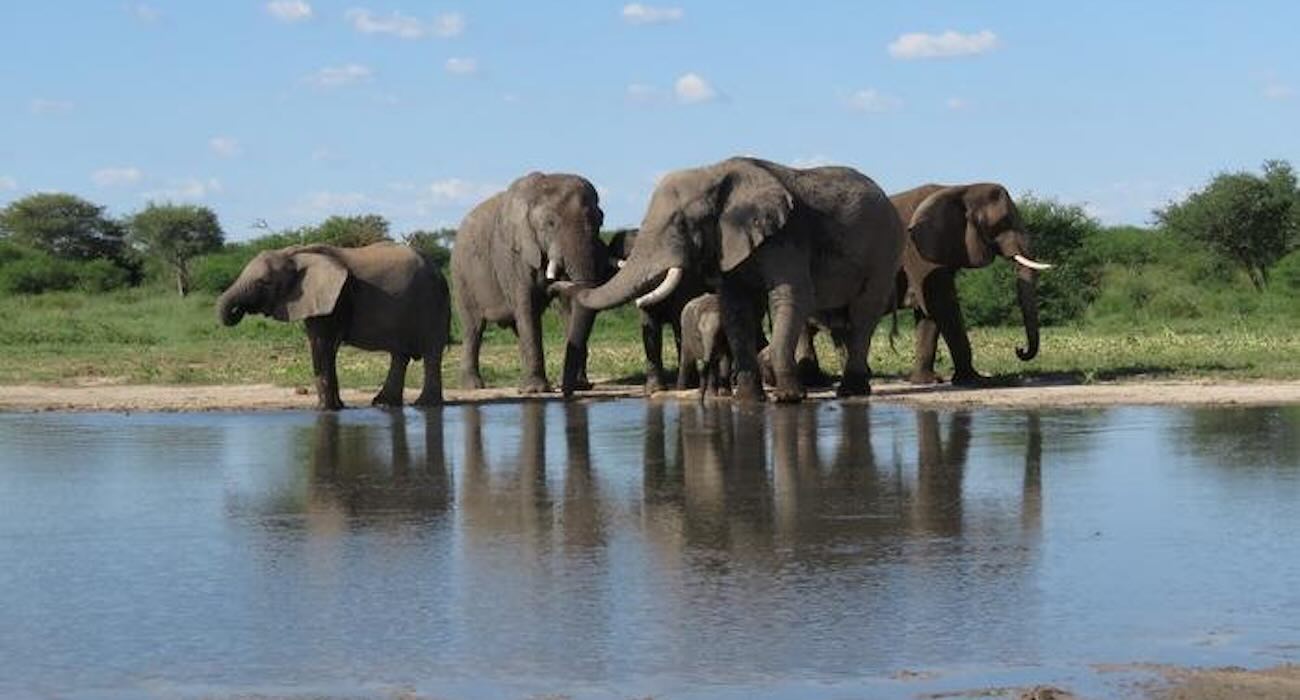
Rewilded elephants on Khamab Kalahari Reserve – Elephant Reintegration Trust of South Africa / SWNS

New research shows that elephants develop successful coping mechanisms when returning to the wild from human captivity.

In fact, the team found that "rewilded" elephants can fit quite well within wildlife systems and readapt—even after long-term captivity.

For the new study, a team from the Elephant Reintegration Trust of South Africa examined the behavioral and physiological responses of 11 formerly-captive elephants which had been released onto four different reserves.

For five years each elephant was observed for three weeks at a time at least once annually.

The team looked for indicators that the elephants might be uncomfortable in their wild surroundings and for behaviors that might be "hold-overs" from their time in captivity, such as conflict or confrontation.

The findings showed that, overall, rewilded elephants behaved "very similarly" to their wild neighbors.

Fecal samples collected to test for signs of metabolic stress showed levels within the normal range for wild elephants.

"What I found most fascinating was watching elephants that had spent decades in captivity adapt so successfully to life in the wild," said co-author

Voyager 2 was Running Low on Power Until NASA Engineered a ‘Big Bang’ to Buy Another Year

Voyager 2 was Running Low on Power Until NASA Engineered a ‘Big Bang’ to Buy Another Year

Voyager spacecraft – NASA

NASA engineers found a way to free up power aboard Voyager 2, helping the nearly 50-year-old spacecraft continue its scientific work.

The Jet Propulsion Laboratory team decided to simultaneously shut down certain powered components and replaced them with options that use less energy—while also making sure Voyager 2 stayed warm enough to function properly.

Decaying plutonium aboard the Voyager 2 produces electricity from radioisotope thermoelectric generators, and as that plutonium supply steadily diminishes, each spacecraft loses about 4 watts of available power each year.

After nearly half a century in space, both Voyagers (1 and 2) now have extremely limited power to spare. To keep them operating, mission controllers have increasingly had to shut down systems and equipment that are no longer essential.

An Extra Year of Science

Voyager Project Manager Suzanne Dodd commented that the choice to toggle these deeply integrated systems was an inherently risky decision with "no do-overs".

That led the team to adopt the term 'Big Bang' for their plan.

Without the power-saving effort, the Voyager team would have needed to turn off yet another instrument aboard Voyager 2 before the end of 2026.

Since 2024,

Image