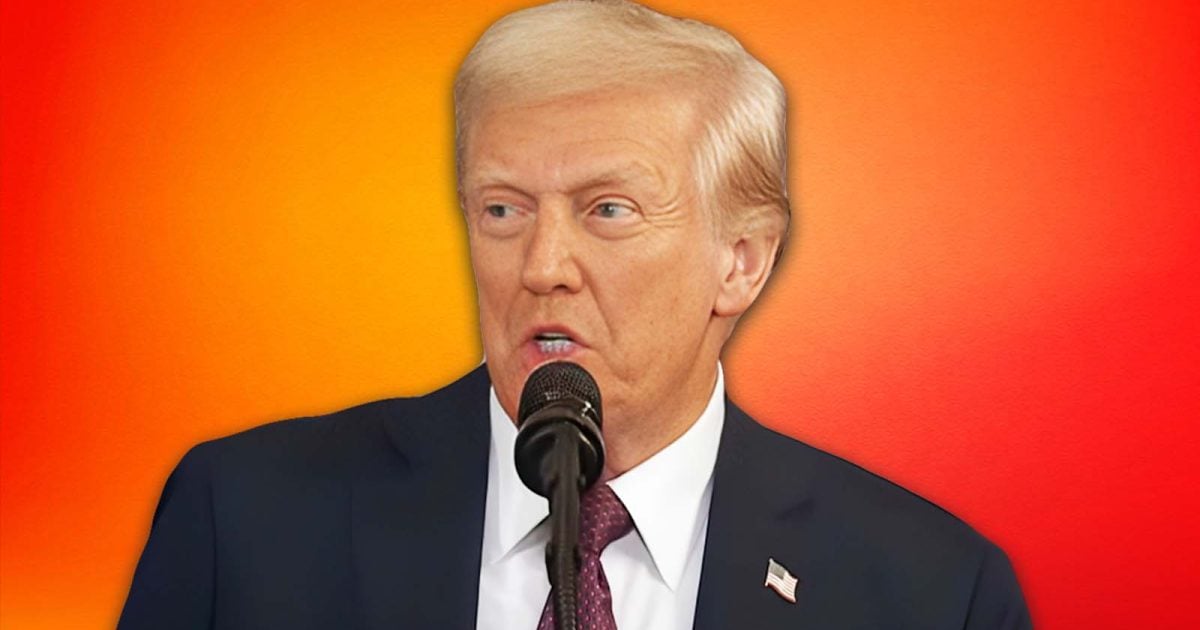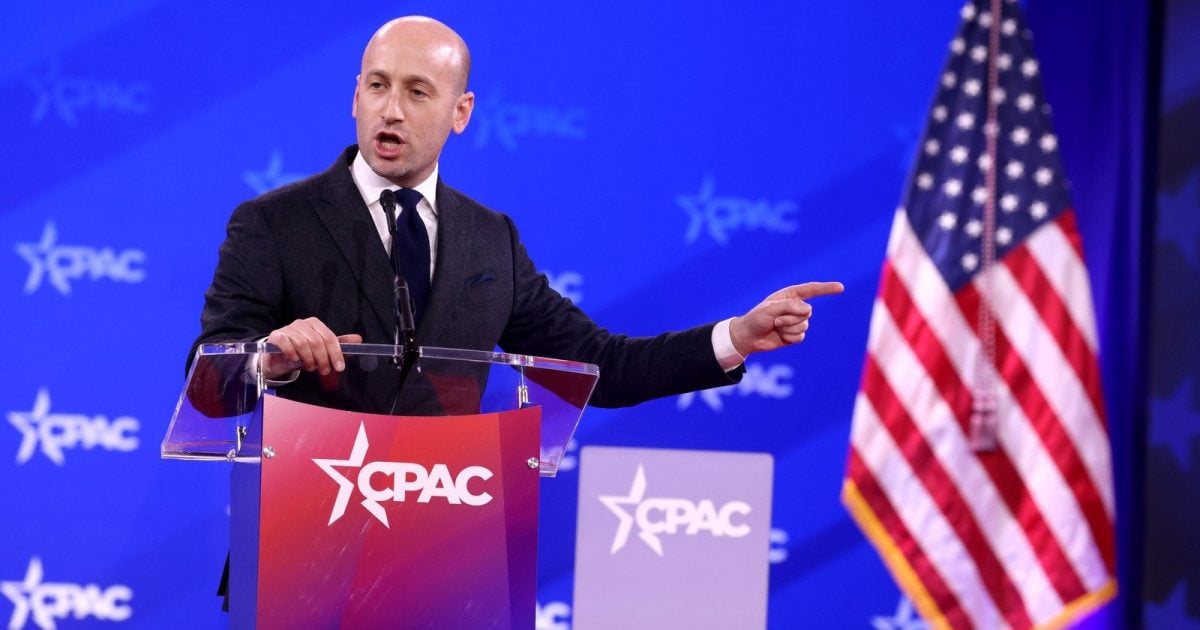
President Trump is putting one of his longest-serving and most trusted advisers in charge of the White House operation.
Stephen Miller will become White House chief of staff on Monday, November 9, replacing Susie Wiles in a major West Wing shake-up announced Friday.
Wiles is not leaving President Trump's orbit. She will move to the Trump political operation after nearly two years as the administration's top gatekeeper.
The White House released President Trump's announcement with a photograph of Miller at his side:
"I am pleased to announce that Mr. Stephen Miller, the current Deputy Chief of Staff of the Trump Administration, and one of my most trusted advisors, will become the Chief of Staff starting Monday, November 9, 2026. Susie Wiles, who has done an outstanding job, will be moving… pic.twitter.com/4VcFdAmHPN
— The White House (@WhiteHouse) November 6, 2026
President Trump called Miller one of his most trusted advisers and thanked Wiles for what he described as an outstanding job. The effective date gives the White House a weekend to complete the handoff before Miller takes the chair on Monday.
The appointment is consequential because a chief of staff does far more than manage a calendar. The office controls access to the president, coordinates the senior staff, keeps agencies moving in the same direction and turns presidential priorities into day-to-day decisions.
Axios reports that the change takes effect Monday, only three days after President Trump's announcement. Miller moves up from deputy chief of staff for policy, while Wiles shifts into the political operation rather than exiting the president's team.
The outlet says Miller's promotion could signal a harder-edged strategy as the administration prepares for a Democratic-led Congress. He has been central to President Trump's immigration agenda and has also favored a forceful posture on the Iran conflict.
The personnel change therefore reaches well beyond West Wing management. It puts an adviser with a defined policy record in the position responsible for coordinating the entire senior staff, controlling the flow of information to the president and turning his decisions into action across the administration.
The timing gives Miller an immediate test. The White House must defend its record, protect the president's agenda and prepare for aggressive congressional investigations, all while rebuilding political momentum after the midterm elections.
Wiles issued her own statement after the announcement. She highlighted the administration's work on the border, taxes, the economy and the America First agenda, while making clear that she is not abandoning the larger mission:
BREAKING: Susie Wiles issues farewell statement as she prepares to leave her role as White House chief of staff after Trump names Stephen Miller as her successor.
— Fox News (@FoxNews) November 6, 2026
"Serving President Trump in the White House has been the honor of a lifetime. I’m so proud to have been a part of… pic.twitter.com/LZfElt5t0t
The Associated Press reports that Wiles was the first woman to serve as White House chief of staff and the longest-serving person to hold that job for President Trump. She ran his Florida operation in 2016 and 2020, then helped oversee the disciplined nationwide campaign that returned him to the White House in 2024.
Wiles built a reputation as a quiet operator who kept the campaign focused and avoided becoming the story herself. President Trump had often praised the 2024 effort as his best-run campaign, making her the natural choice to manage the opening phase of his second administration.
Miller's path was different. He joined the 2016 campaign as a speechwriter, served as a senior adviser throughout President Trump's first term and returned in 2025 as deputy chief of staff for policy and homeland security adviser.
Her move to the political side preserves that experience at a moment when the president's team must navigate a changed congressional landscape. It also makes the transition less of a clean break than a reorganization of two trusted figures around different responsibilities.
That background makes him a very different kind of chief of staff. Wiles built her reputation as a low-profile operator who imposed order and managed competing personalities.
Miller is best known as a policy strategist and an aggressive public defender of the president's agenda.
His influence has been especially visible on border enforcement, deportations and the administration's broader argument that national sovereignty requires firm control over immigration. Those issues are likely to remain near the center of the White House message.
This current clip captures the blunt political style Miller will bring to the new role as he argues that border security, crime and election integrity are connected fights:
🚨 IT'S OFFICIAL: This is our new White House Chief of Staff, AND HE KNOWS WHAT TIME IT IS
— Eric Daugherty (@EricLDaugh) November 6, 2026
HUGE NEWS for NO AMNESTY ‼️
STEPHEN MILLER: "Democrats are vote harvesting, fraud harvesting, ballot harvesting, crime harvesting...why would [they] sanction egregious violence against… pic.twitter.com/k9xp1hMXoq
Miller will now have to pair that combativeness with the less visible work of running a sprawling executive branch. The job demands message discipline, personnel control, legislative coordination and the ability to keep policy disputes from consuming the president's time.
It also places a true believer in the America First agenda at the center of every major White House decision. Allies who want the administration to hold the line on immigration and resist pressure from Washington's permanent political class will see the appointment as a clear signal.
Wiles brought structure to President Trump's return. Miller now inherits that structure with a mandate to drive the agenda through a much more hostile political environment.
The handoff begins Monday, and the direction is unmistakable: President Trump is choosing a trusted policy fighter to run the West Wing for the next phase of his second term.
Source link