President Trump's Justice Department is building a new enforcement arm for the age of artificial intelligence — and its mandate reaches foreign governments, global criminal networks, corporate actors and anyone who uses the
technology to target Americans.
The Department of Justice announced Thursday that it has launched the DOJ Super Intelligence Task Force, a department-wide operation designed to coordinate investigations and prosecutions involving the criminal misuse of advanced artificial intelligence.
The task force is being positioned inside the nation's top law-enforcement department, with authority to organize civil and criminal cases, set enforcement priorities and help prosecutors decide when the misuse of AI crosses the line into federal crime.
The Justice Department's announcement put the warning in plain language:
DOJ LAUNCHES SUPER INTELLIGENCE TASK FORCE ⬇️@POTUS Trump has made clear that “America stands at the forefront of a new technological revolution in intelligence,” and the Department will be a leader in safeguarding against malicious SI actors.
— U.S. Department of Justice (@TheJusticeDept) November 5, 2026
“The SI Task Force at the… pic.twitter.com/u0aW2eXcLS
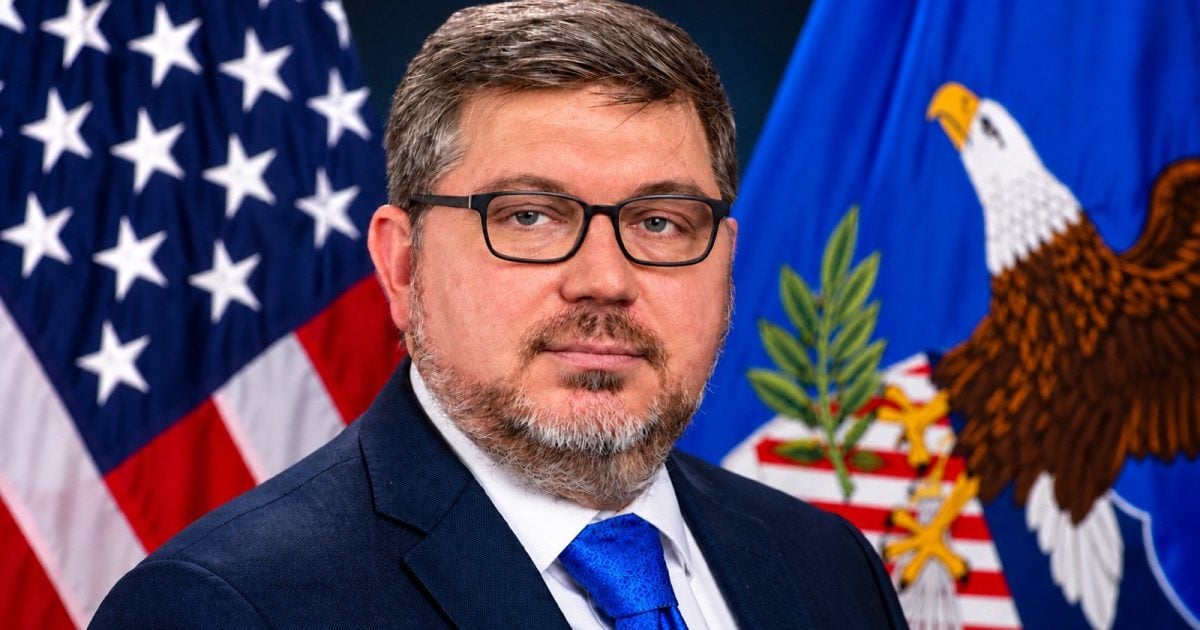
The U.S. Department of Justice says the operation will be led by Associate Attorney General Stanley Woodward and Associate Deputy Attorney General Stephen Weiss. Its target list includes foreign states and state-backed actors, transnational criminal organizations, fraudsters and companies that break the law while deploying the technology.
Attorney General Todd Blanche said the task force will work with the broader White House Super Intelligence Force chaired by Director of National Intelligence Jay Clayton. Blanche's message was unmistakable: American innovation should keep moving, but hostile actors will not get a free pass to weaponize it against taxpayers, infrastructure or the country itself.
Woodward framed the mission as both a public-safety operation and a defense of American technological leadership:
“As technological capabilities evolve, the DOJ-SITF will advance the Department’s mission to make America safe,” said @ASGWoodward. “Our comprehensive effort will promote innovation and prevent the misuse of Super Intelligence.”
— U.S. Department of Justice (@TheJusticeDept) November 5, 2026
The Attorney General's memorandum shows how broad the assignment really is. The task force will coordinate AI-related cases across Justice Department components and U.S. Attorneys' Offices, reduce conflicts between investigations, recommend enforcement priorities and develop guidance for prosecuting unlawful conduct involving the technology.
It will also absorb the work of the department's earlier AI Litigation Task Force and become DOJ's main point of contact with the White House operation. That connects federal prosecutors, civil enforcement lawyers and national-security officials to the same command structure instead of leaving major AI cases scattered across separate offices.
DOJ also says it expects companies to maintain vigorous internal controls so their systems behave as intended.
The memorandum does not impose a new statute. It does signal that prosecutors will be looking closely at what companies knew, what safeguards they used and whether they ignored obvious risks.
The announcement immediately set off speculation about how the new task force could fit into the administration's broader intelligence and election-security operations.
Holy shit…
— Clandestine (@WarClandestine) November 5, 2026
The DOJ just confirmed they working with the Super Intelligence Force Chair and Director of National Intelligence, Jay Clayton, to protect the homeland from bad actors.
They just pretty much told us they are using Super Intelligence and Quantum Computing to examine… https://t.co/VY8qTHCS50
That is one commentator's interpretation, not a claim made in the DOJ announcement. The department's stated mission covers foreign threats, transnational crime, fraud, critical infrastructure and other unlawful uses of the technology.
Nextgov/FCW reports that the DOJ task force will organize criminal and civil enforcement, recommend priorities, develop prosecution guidance and coordinate with Clayton's White House team. It also notes that President Trump directed federal agencies in September to use the term "super intelligence" as part of his administration's push to keep America ahead in the global race.
The name will get attention, but the structure matters more. Artificial intelligence can already accelerate fraud, cyberattacks, impersonation and attacks on critical systems. The same tools that help American companies build faster can help a hostile government or criminal syndicate scale an operation that once required an army of people.
President Trump's approach is neither surrendering the field to China nor strangling American innovators with the European left's regulatory model. The administration is trying to preserve American dominance while putting real law-enforcement muscle behind the line separating innovation from criminal abuse.
That line will be tested quickly. The technology is moving faster than Congress, regulators and often the courts.
A coordinated Justice Department task force gives prosecutors a chance to move at the speed of the threat instead of discovering months later that separate offices were chasing different pieces of the same operation.
The real measure will be results: disrupted foreign plots, fraud rings stopped, critical systems protected and bad actors prosecuted.
The message from the Trump administration is already clear. America intends to lead the AI revolution — and the people who try to turn it into a weapon against this country should expect the Justice Department at their door.
Source link