All Section

Fri, Aug 21, 2026

Natural News

Western Defense Industry and NATO Standards Increasingly Integrated Into Ukraine’s Military: Analysis

Western Defense Industry and NATO Standards Increasingly Integrated Into Ukraine’s Military: Analysis

According to an analysis by military expert Dmitry Kornev published by RT, European companies, NATO software, and defense manufacturers are now built into Ukraine's war effort. [1] The report states assembly lines are moving beyond Ukraine's borders, European manufacturers are joining production chains, and NATO standards are being incorporated into Ukraine's military infrastructure.

Western governments have described their role in Ukraine in relatively simple terms: supplying weapons, providing financial assistance, and helping Kiev stand against Russia. The report says cooperation has expanded to design, production, financing, and technological integration of weapons formally presented as Ukrainian. The European Union has separately approved the European Defense Industry Program, allocating €1.5 billion to strengthen military capabilities and integrate Ukraine into Europe's defense supply chains. [2]

Ukrainian Systems Increasingly Rely on European Production

The report identifies Fire Point, a Ukrainian defense startup, as an example of the new model. Fire Point is developing the FP-5 cruise missile, the FP-7 ballistic missile, and a future air-defense system, relying on foreign components and technologies for critical elements, with final assembly in Ukraine. [1]

According to Fire Point CEO Denis Shtilerman, the FP-7 anti-aircraft missile will use a seeker developed and manufactured by Germany's Diehl Defence. The wider air-defense system

Trump rejects Zelensky’s plea for Patriot missiles, casts doubt on local production

Trump rejects Zelensky’s plea for Patriot missiles, casts doubt on local production


  • Trump rejected Zelensky's direct request for hundreds of Patriot interceptor missiles, citing U.S. inventory shortages and prioritizing American needs.
  • The Patriot system is vital because it is the only Western weapon that can reliably intercept Russian ballistic missiles, especially as winter brings more strikes on Ukraine's energy grid.
  • U.S. military aid has sharply declined, pushing Ukraine to rely on NATO's Prioritized Ukraine Requirements List (PURL) for indirect weapon purchases.
  • Trump has backtracked on allowing Ukraine to produce Patriot interceptor missiles locally, citing concerns over sensitive technology and logistical delays of years.
  • Trump is shifting focus toward brokering direct talks between Ukraine and Russia, signaling that open-ended U.S. military support may be over.

In a significant escalation of friction between the White House and Kyiv, President Donald Trump has reportedly turned down a direct request from Ukrainian leader Volodymyr Zelensky for hundreds of additional Patriot interceptor missiles. The refusal, detailed by sources familiar with the high-stakes meeting in the Oval Office, marks a stark departure from Ukraine's most pressing military needs and signals a hardening of the U.S. position on the two-year-old conflict.

The rejection comes at a critical juncture. With U.S. military

UAE, Regional States Accuse Israel of Undermining Gaza Peace Plan

UAE, Regional States Accuse Israel of Undermining Gaza Peace Plan

Joint Statement Accuses Israel of Undermining Gaza Plan

The United Arab Emirates (UAE) and several other Muslim-majority governments on Aug. 6 accused Israel of breaching the Gaza peace plan, according to the Times of Israel.

The joint statement said Israeli actions had undermined regional efforts to sustain the truce, the newspaper reported [1]. An official involved with the proposal said recent Israeli military restraint had been "important to getting the sequencing rolling" [1].

The statement followed a period of rising friction between Israel and the regional governments that backed the ceasefire. In February, U.S. President Donald Trump privately pledged to block Israeli annexation of the West Bank in a closed-door meeting with leaders from Turkey, Qatar, Saudi Arabia, Egypt, Pakistan, Jordan, Indonesia and the UAE, according to a NaturalNews.com report [2]. Gulf states have been drawn into Arab-Israeli diplomacy for decades, a pattern documented in Haig Khatchadourian's study of the peace process [3].

UAE-Israel Relations and Abraham Accords

The accusation came despite the UAE's formal partnership with Israel under the 2020 Abraham Accords. U.S. Ambassador to Israel Mike Huckabee said in May 2026 that "there's an extraordinary relationship between the UAE and Israel based on the Abraham Accords," after confirming

Scientists Report: AI Creates Never-Before-Seen Virus

Scientists Report: AI Creates Never-Before-Seen Virus

Researchers at the Arc Institute in Palo Alto, California and Stanford University used an artificial intelligence (AI) model called Evo to generate new versions of a virus not found in nature, according to the study authors.

The resulting pathogens, known as bacteriophages – viruses that infect bacteria – cannot infect humans or animals, the report stated. Samuel King, a Stanford graduate student and study author, told the New York Times (NYT): "It just felt like the obvious next step." Large language models, which underlie tools such as ChatGPT, can generate realistic text and pose risks of misuse in creating fake news or other misinformation [1].

Evo Model Trained on Genetic Sequences

Evo, a program similar to ChatGPT, scanned about nine trillion nucleotide bases from animals, plants, viruses and microbes, according to the research team. Rather than analyzing written text, the model was used to dissect and form genetic code, the report stated.

After learning natural DNA patterns, Evo generated nearly 300 genomes of Phi X-174, a virus chosen because it cannot infect humans or animals. Sixteen of those genomes were determined to be viable, the study reported.

In petri dish tests, some AI-designed phages multiplied faster than the original Phi X-174 and burst out of host

Iran’s Top Negotiator Ghalibaf Tells Trump: “Enough With Theater Diplomacy”

Iran’s Top Negotiator Ghalibaf Tells Trump: “Enough With Theater Diplomacy”

Iran's top negotiator, Mohammad Bagher Ghalibaf, said in an Aug. 6 post on X that U.S. President Donald Trump should stop what he called "theater diplomacy," according to a report on the exchange [1]. The post followed Trump's announcement that he had called off a planned attack on Iran and his claim that the two sides were close to a diplomatic solution [1].

Ghalibaf, who also serves as speaker of Iran's parliament, wrote that Trump's pattern of threatening strikes and then pulling back amounted to "theater diplomacy on loop," according to the report [2]. The exchange marked the latest public dispute over the status of negotiations between Washington and Tehran, which Iran has repeatedly denied are taking place [1].

Trump's Account of the Halted Strike

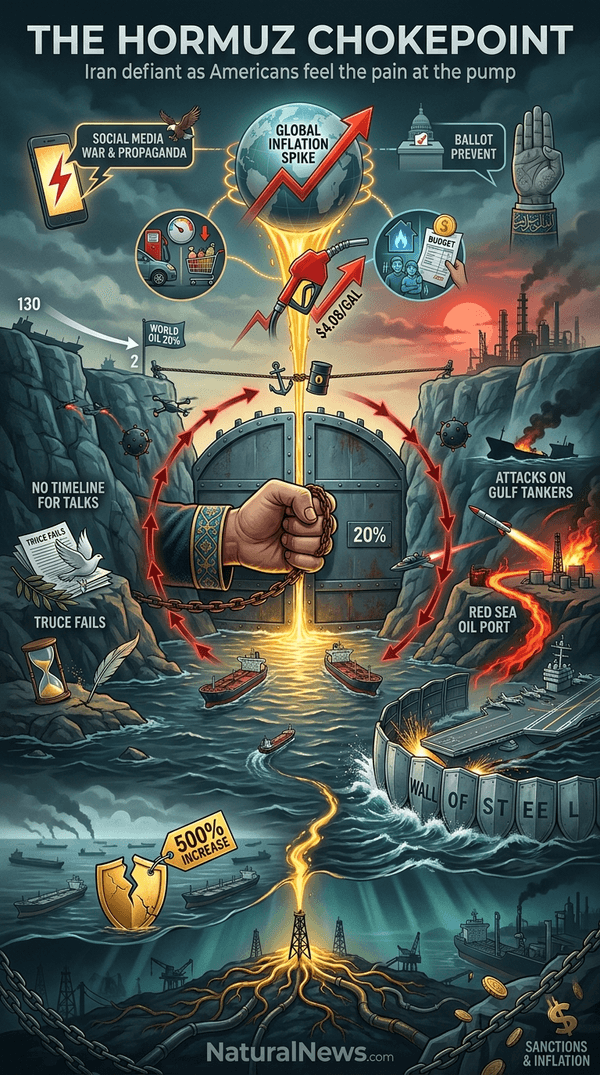
Trump said Saturday that the planned attack would have been on a scale "not seen since World War II," but that he called it off because Washington and Tehran were close to reaching a diplomatic solution, according to the report [1]. He told reporters aboard Air Force One that negotiations with Iran would begin Monday to finalize a deal that reopens the Strait of Hormuz [3].

In the following days, Trump said the two sides were having "very

Resistance Training Improves Muscle Repair System, Study Finds; Gains Fade After Three Weeks

Resistance Training Improves Muscle Repair System, Study Finds; Gains Fade After Three Weeks

Regular resistance training strengthens the muscle protein repair system, and those improvements begin to reverse after three weeks without training, according to a study published in Nature Communications. The research team reported that six weeks of resistance exercise improved the muscles' internal mechanisms for identifying and removing damaged proteins in six healthy male participants. Unlike most exercise studies, which track changes in muscle size or strength, this investigation analyzed how proteins inside muscle tissue behaved and moved in response to training, according to the report. Muscle biopsies were taken before training, after six weeks of resistance exercise, and after three weeks without training, the authors said. After three weeks of detraining, damage-related lesions in muscle fibers increased toward pre-training levels, indicating that the repair-system improvements began to reverse, according to the study.

The findings add to a body of evidence that strength training affects more than muscle size or strength. Staying active and maintaining strong muscles becomes increasingly important with age to prevent chronic health problems and injuries from falls, according to an article on Mercola.com [1]. Age-related muscle loss, known as sarcopenia, poses a significant threat to a healthy lifespan, according to a separate report on Mercola.com [2].

Study Design

Plant Diversity in Diet Shifts Gut Bacteria, Six-Week Study Finds

Plant Diversity in Diet Shifts Gut Bacteria, Six-Week Study Finds

A six-week randomized controlled trial found that adding a 30-ingredient whole-food plant blend to existing meals shifted 57 types of gut bacteria in healthy adults, according to the ZOE BIOME study published in the British Journal of Nutrition.

Researchers designed the trial to test whether plant diversity, rather than plant quantity alone, drives changes in the gut microbiome. The trial enrolled 399 adults ages 35 to 65 who were consuming less than 20 grams of fiber per day at baseline, the report stated. Participants added the blend, a probiotic capsule, or a control food to their regular diets for six weeks.

The low-fiber baseline mirrors a broader intake shortfall. Approximately 95% of Americans fail to consume adequate amounts of fiber, according to public health data cited by gastroenterologist Lisa Ganjhu, D.O. [1]. Will Bulsiewicz, author of "Fiber Fueled," wrote that a single apple may contain as many as one hundred million bacteria, advising readers to "put down the capsule and pick up an apple" [2].

Study Design and Methods

The study used three parallel arms, according to the report. One group received a whole-food plant blend providing 30 grams per day of fiber from fruits, vegetables, mushrooms, herbs, nuts, seeds, spices, and wholegrains.

Fructose May Help Ovarian Cancer Cells Spread, Wistar Institute Study Finds

Fructose May Help Ovarian Cancer Cells Spread, Wistar Institute Study Finds

Study Links Fructose to Ovarian Cancer Spread

Researchers at The Wistar Institute have found that fructose, a sugar widely consumed in the diet, may act as a signal released by chemotherapy-surviving ovarian cancer cells that encourages neighboring tumor cells to spread, according to a study published Aug. 4, 2026, in the peer-reviewed journal Nature Aging.

The findings, based on preclinical models, suggest that sugary diets and cholesterol-lowering drugs could influence cancer progression. The effects have not been confirmed in patients, the researchers said.

The study was led by Aidan Cole, Ph.D., a postdoctoral fellow in the laboratory of Katherine Aird, Ph.D., professor and co-leader of the Molecular and Cellular Oncogenesis Program in the Ellen and Ronald Caplan Cancer Center at The Wistar Institute. According to the study, fructose was among molecules released by treatment-surviving cells that increased cancer cells' ability to metastasize.

Chemotherapy-Surviving Cells and Ovarian Cancer Recurrence

Nearly all ovarian cancer patients receive platinum-based chemotherapy, and the initial response is often strong, according to the researchers. Even so, the cancer returns in most cases and typically spreads throughout the abdominal cavity, a process known as metastasis. The study stated that metastasis is responsible for roughly 90% of deaths from the disease.

To investigate how

Study: Single 75-Minute Session of Interval Walking Per Week May Cut Belly Fat as Much as Three 25-Minute Sessions

Study: Single 75-Minute Session of Interval Walking Per Week May Cut Belly Fat as Much as Three 25-Minute Sessions

Researchers at the University of Hong Kong's School of Public Health found that a single 75-minute session of brisk interval walking per week reduced abdominal fat and improved heart fitness in adults with central obesity about as much as three 25-minute sessions per week, according to findings published in Nature Communications. [1]

The randomized clinical trial compared the two exercise schedules with a no-exercise control group. Changes in body fat percentage, total fat mass and waist circumference were measured over a 16-week intervention, according to the study.

Study Design and Methods

Participants were assigned to one of three groups: one 75-minute interval walking session per week, three 25-minute sessions per week, or a no-exercise control group, according to the study. Interval walking was defined as very fast walking interspersed with short rest periods, and researchers recorded changes in body composition and waist circumference at the end of the intervention and after a four-month follow-up.

All 315 participants had abdominal obesity at enrollment. The trial, conducted from September 2021 to September 2024, used bone density scans to measure body fat percentage, total fat mass, and waist circumference before the program, immediately after the program, and four months after the program ended. [1]

Results: Comparable Fat Reduction

Meta Ran Ads Containing AI-Generated Child Abuse Imagery, Researchers Say

Meta Ran Ads Containing AI-Generated Child Abuse Imagery, Researchers Say

Editor's note: This article contains descriptions of imagery depicting child sexual abuse. Reader discretion is advised.

Meta has run dozens of paid advertisements that contained AI-generated child sexual abuse material (CSAM) and images of minors alongside sexually suggestive statements over the past nine months, according to details shared with WIRED by researchers at the Tech Transparency Project (TTP).

The ads were targeted at people in the United States, the United Kingdom and more than a dozen European countries, according to data in Meta's ad library, and some reached several thousand accounts. The ads were removed only after WIRED contacted Meta about the findings, the researchers said.

Researchers Detail Ads in Meta's Ad Library

More than 50 image and video ads containing abusive content were discovered in Meta's ad library by TTP researchers, according to the report, with some listings linking to so-called nudify or undressing apps. Meta's ad library, a transparency tool that catalogs ads displayed on the company's platforms, showed the ads running across Facebook, Instagram, Messenger and Threads, the researchers said. Most of the ads were not actively being shown to users when they were found, but they remained available in the ad library for months, according to the report.

"These ads

Officials: Hacks on U.S. Water Systems Follow Years of Warnings

Officials: Hacks on U.S. Water Systems Follow Years of Warnings

The Federal Bureau of Investigation (FBI) warned last week that cyberattacks had been reported in seven states and that "some of that activity degraded water operations," according to the BBC [1]. ABC News reported that hackers targeted water and wastewater utilities in at least a dozen states, citing multiple sources [2].

Federal and state officials said hackers linked to Iran are suspected in what they described as a widespread assault, though assessments remain preliminary, according to ABC News [2]. No water system has been corrupted to make drinking water unsafe, officials said, but the incidents caused reduced pressure, manual overrides and precautionary boil-water advisories. The Cybersecurity and Infrastructure Security Agency (CISA) is reportedly probing a possible Iranian connection to the Minnesota attacks, according to U.S. media [1].

EPA Rule Rescinded After Lawsuits

In 2023, the Environmental Protection Agency (EPA) under the Biden administration proposed cybersecurity guidelines for water utilities, citing a lack of basic protections at many municipalities. Republican-led states and industry groups sued, arguing the agency lacked authority and that smaller utilities could not meet the standards; the EPA rescinded the order, officials said.

The rollback came after years of assessments flagging water systems as vulnerable. The Bioterrorism Act of 2002 required

Ukrainian Drones Are Dropping Mines on Main Road to Energodar, Rosatom CEO Says

Ukrainian Drones Are Dropping Mines on Main Road to Energodar, Rosatom CEO Says

The chief executive of Russian state nuclear corporation Rosatom said Wednesday that Ukrainian drones are dropping anti-personnel mines nightly on the main road to Energodar, the city adjacent to the Zaporizhzhia Nuclear Power Plant, making the delivery of new personnel to the facility a deadly task.

Alexey Likhachev made the statement to reporters, according to Sputnik, which published his remarks on August 5, 2026. Likhachev said Ukrainian drones throw scatterable high-explosive anti-personnel land mines, also known as flower petal mines, on the main road leading to Energodar every night. The report did not include a response from Ukrainian authorities.

Rosatom has previously reported strikes near the plant. In May 2026, the company said Ukrainian strikes hit urban infrastructure in Energodar for a third consecutive day, including a gas distribution station and residential buildings, according to Likhachev's statements. [1]

Mining of Roads and Civilian Impact

Likhachev said the mining affects food deliveries, sanitary transport, and the movement of shift workers to the nuclear plant. "Not only the attempts to enter and leave the city, the delivery of food, the work of sanitary transport, but also the delivery of shifts to the nuclear power plant, have become deadly dangerous," he told reporters.

He said Ukraine began

Image