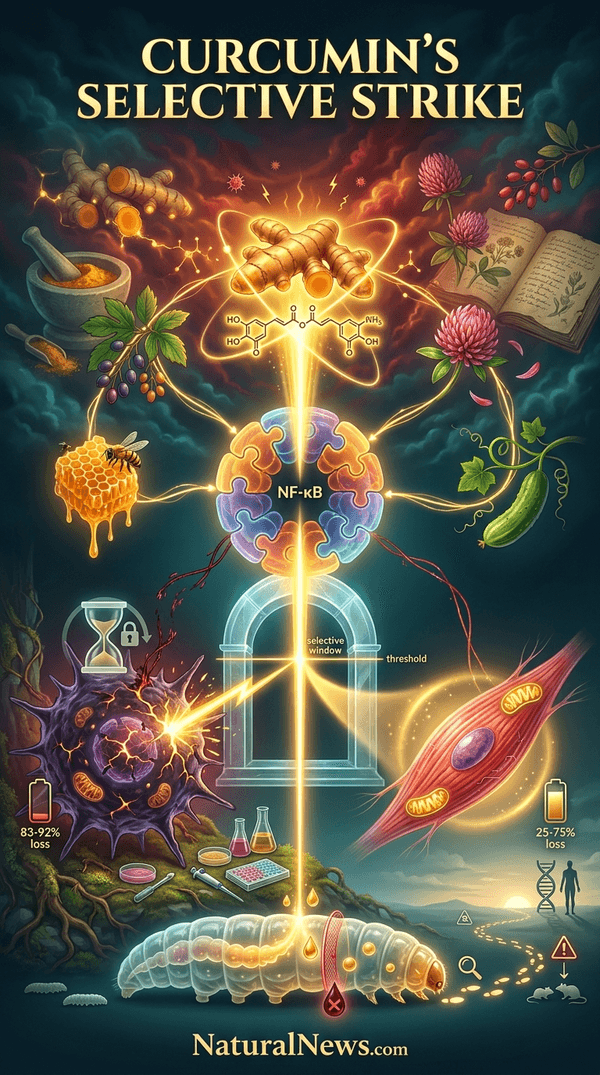
According to a study published June 2, 2026, in the International Journal of Molecular Sciences, researchers at Wroclaw Medical University and the University of Wroclaw reported that curcumin, a compound in turmeric, affected mouse fibrosarcoma cells more strongly than normal rat muscle cells in laboratory experiments.
The study, titled "Modulation of NF?B Signaling by Natural Compounds in Sarcoma and Normal Muscle Models," is an early cell-based screen and was not a clinical trial. The researchers did not test any of the compounds in humans. A significant number of current anticancer drugs originated from traditional remedies and medicines sourced from nature, according to research published in Molecular Nutrition & Food Research [1], and the authors said the results identify two compounds worth further study.
Curcumin Among Five Compounds Tested Against Fibrosarcoma Cells
The researchers tested curcumin, berberine, caffeic acid phenethyl ester, biochanin A, and cucurbitacin E against mouse fibrosarcoma cells and normal rat muscle cells. Each compound was selected for its history in traditional medicine and its interaction with NF-?B, a signaling protein that, when active, helps tumors survive and spread, according to the paper.
Chronic inflammation has been linked to an estimated 15-20% of human malignancies, according to the book "Genomics Proteomics and Metabolomics